Last updated October 15, 2026



Free written scope consultation - allowances, timeline, and change-order rules on paper before a single trade is scheduled
The Complete Guide to Construction in Riverside
Riverside County issued 23% more residential building permits in 2023 than it did in 2019, yet the number of licensed general contractors serving the city grew by less than 8% during that same stretch. That gap is why your neighbor’s kitchen remodel took 14 months, and why bidding wars now happen over drywall crews, not just houses. Most construction guides treat Riverside like a generic Southern California suburb. They’re wrong. For more guides & resources, see our blog. This guide covers what actually matters here: the three soil zones under your foundation, the two separate permitting systems that split the city, and the contractor market dynamics that catch homeowners off guard every year. We’ll show you how to read a local quote line by line, what a written price really protects you from, and how to plan around Riverside’s specific scheduling bottlenecks.
Quick Answer
Construction in Riverside, CA runs on three local realities most guides never mention: expansive clay and decomposed granite soils that drive foundation prep costs, two distinct permitting jurisdictions (City of Riverside versus unincorporated Riverside County) with very different timelines, and a contractor market stretched thin by Inland Empire growth. A typical kitchen remodel runs $18,000 – $55,000, bathrooms $12,000 – $35,000, and whole-home remodels $80,000 – $250,000 here, with soil conditions and permit routing being the two biggest swing factors. Get a written price before work starts, confirm which jurisdiction your address falls under, and plan your project around Riverside’s Q1 and Q3 contractor crunches. See our Construction Cost Breakdown: The Riverside Homeowner’s Reference for 2026 for detailed pricing by project type.
Styles & brands we work with
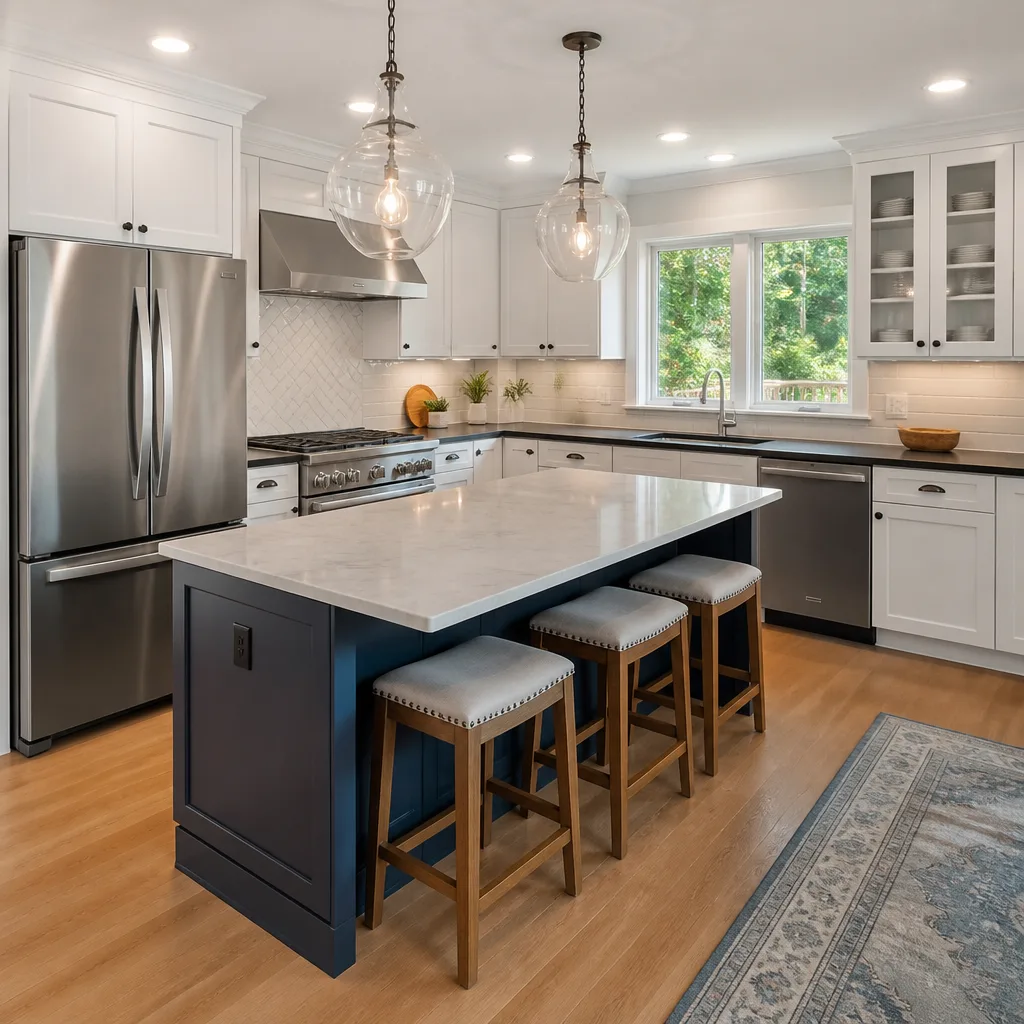

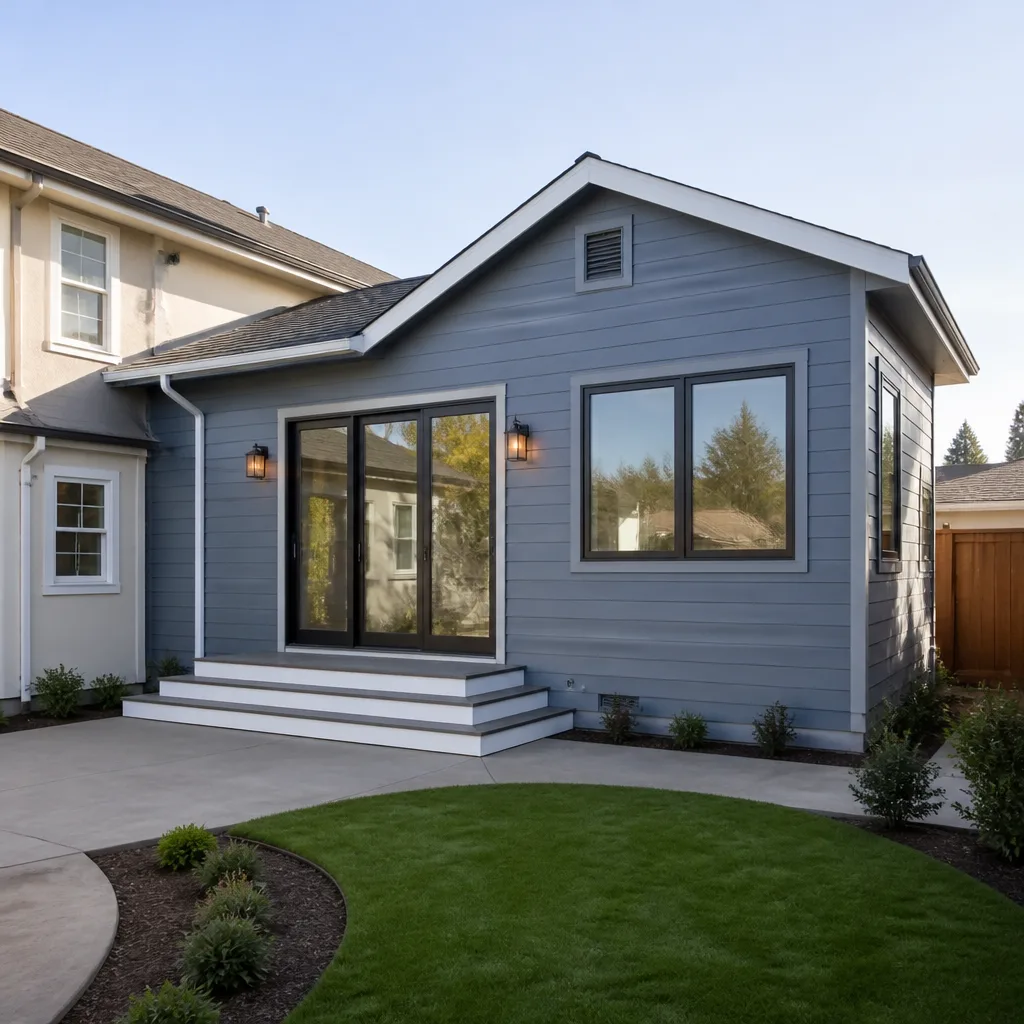
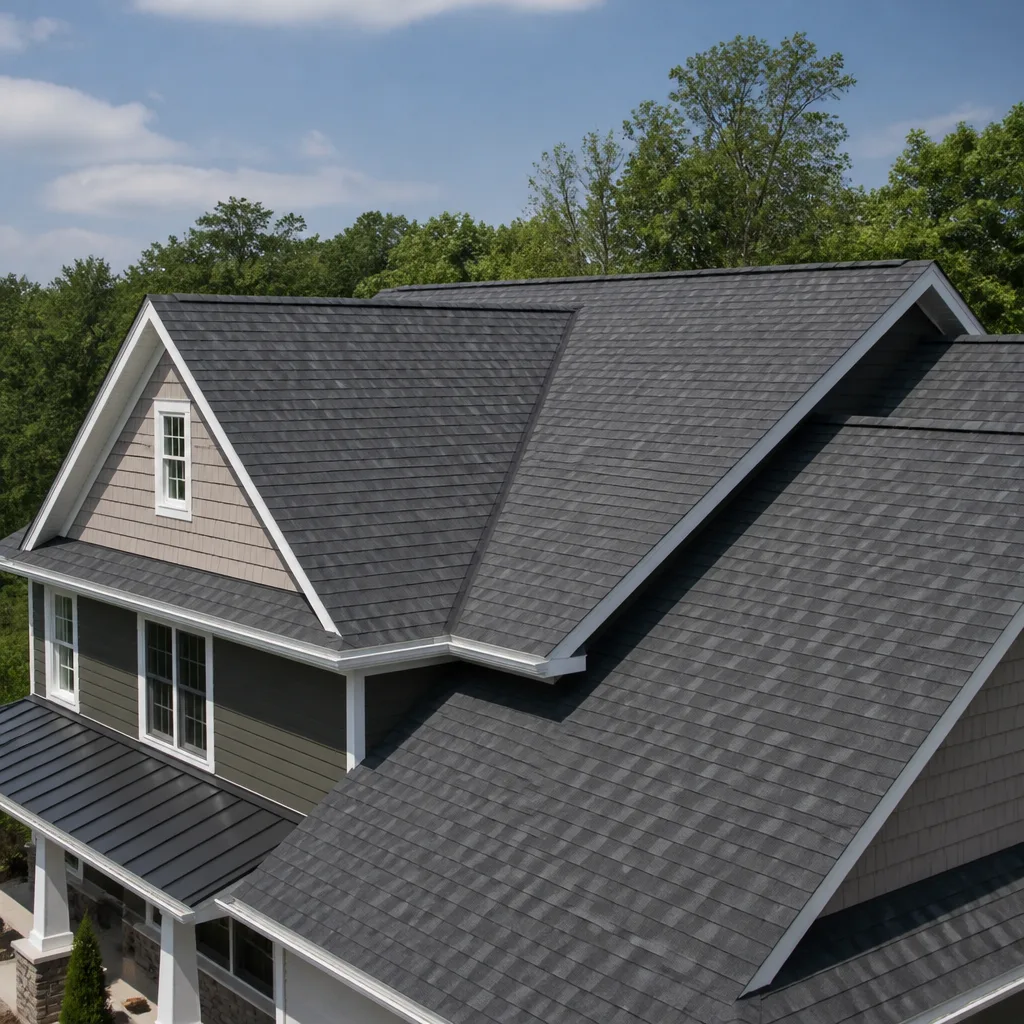
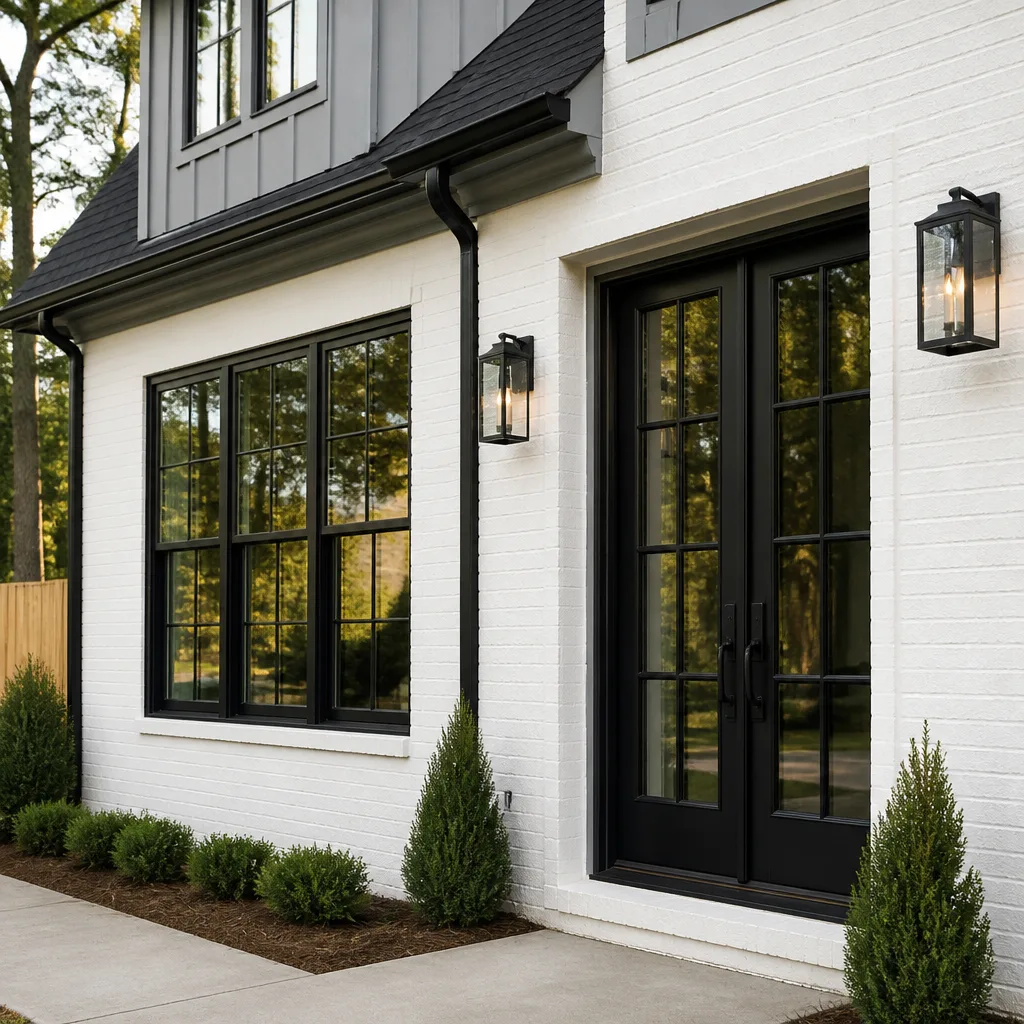
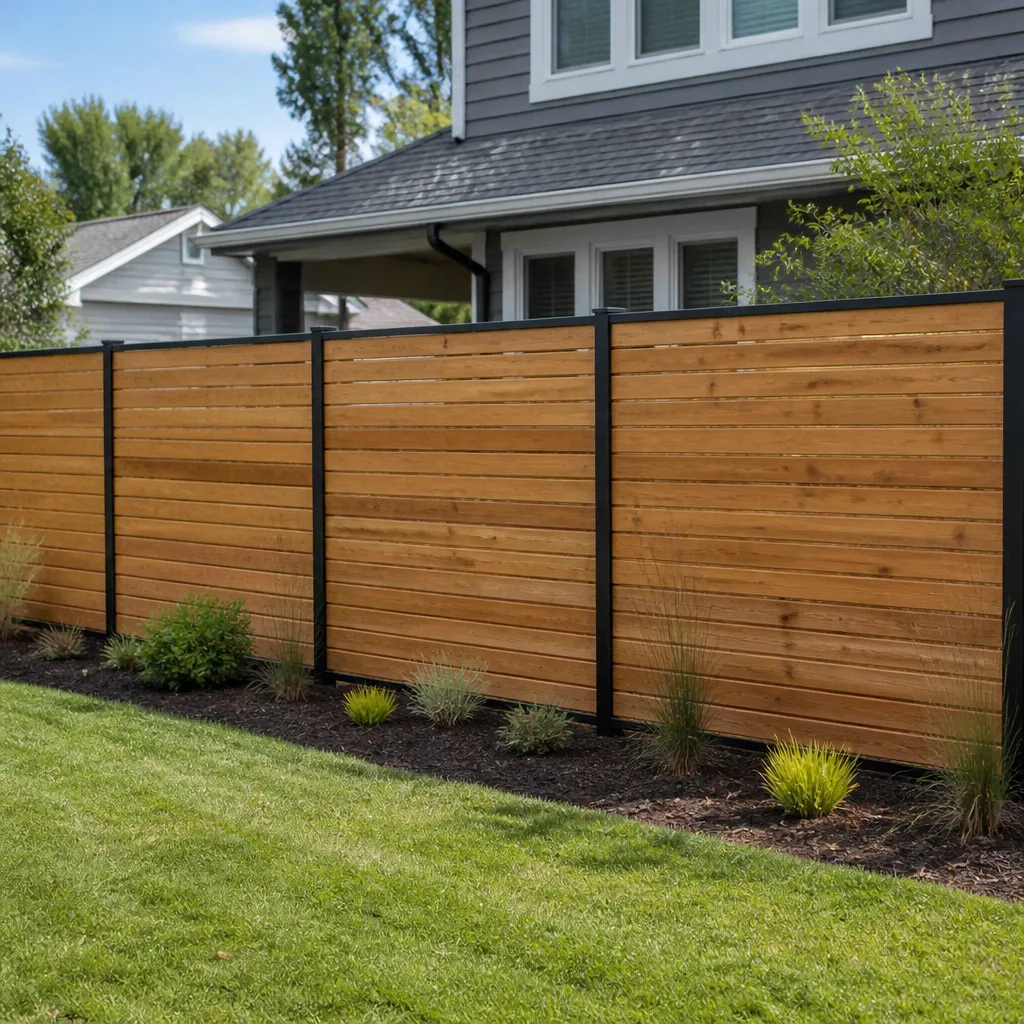
Table of Contents
- Riverside’s Three Soil Zones and What They Mean for Your Foundation
- City of Riverside vs. Riverside County Permits: The Timeline Split
- Why Contractor Scheduling Gets Tight in Q1 and Q3
- What a Written Price Actually Protects You From
- How to Read a Riverside Construction Quote Line by Line
- Materials That Hold Up in Riverside’s Climate
- Budgeting for Construction in Riverside: What Projects Cost
- How Long Construction Actually Takes in Riverside
Riverside’s Three Soil Zones and What They Mean for Your Foundation
Riverside sits on a geological patchwork that most construction guides for inland Southern California never address. The city straddles three distinct soil conditions: expansive clay in pockets of the La Sierra and Arlington areas, decomposed granite in the hillside neighborhoods around Alessandro Heights and Canyon Crest, and sandy loam along the river corridor near downtown and the Eastside. Each soil reacts differently to moisture, and each carries different foundation prep costs.
Expansive clay is the one that causes the most pain. It swells when wet and shrinks when dry, which means a foundation poured without proper compaction or moisture control will move. In the La Sierra area, we regularly see slab cracks and door frame shifting in homes built before the 1990s, when soil testing was less common. If you’re adding square footage or doing a whole-home remodel on expansive clay, expect to budget $4,000 – $12,000 for soil testing, over-excavation, and engineered fill. That’s not a markup. It’s the cost of not having your new addition crack in year three.
Decomposed granite, by contrast, drains well and compacts reliably. The hillside neighborhoods have fewer soil-related failures, but they bring slope considerations. Retaining walls, drainage engineering, and setback requirements can add $10,000 – $40,000 to a project depending on the grade. Sandy loam near the river corridor is the most forgiving for residential construction, though it can require deeper footings than a standard slab.
Before you buy or build in Riverside, pull the USDA soil survey for your parcel. Better yet, have a geotechnical engineer take a core sample. The $1,500 – $3,000 that costs is the cheapest insurance you’ll buy on a construction project here.
City of Riverside vs. Riverside County Permits: The Timeline Split
Here’s something most homeowners don’t realize until it bites them: Riverside addresses fall into one of two permitting jurisdictions, and they move at very different speeds. Our Construction Permits, Codes & Inspections in CA: What You Need to Know covers the full picture. If your address is inside the City of Riverside proper, you’re dealing with the city’s Community and Economic Development Department. If you’re in an unincorporated pocket like Woodcrest, Highgrove, or parts of La Sierra that sit just outside city limits, you’re under Riverside County’s Building and Safety Division.
City of Riverside permits for a standard kitchen or bathroom remodel typically clear in 2 to 6 weeks, assuming your plans are complete and code-compliant. The city has streamlined its plan review process in recent years, and most simple remodels that don’t touch structural elements can get through in under a month. Whole-home remodels and additions take longer, usually 6 to 12 weeks, depending on plan review backlogs.
Riverside County permits move slower. Unincorporated areas route through the county’s regional offices, and the volume coming from all of western Riverside County means plan review for a simple remodel can take 6 to 10 weeks, with additions running 10 to 16 weeks or longer during peak periods. The county also has stricter requirements in some categories, particularly around septic systems, well lines, and fire-safety clearances for hillside properties.
Why does this matter for your budget? Every week of permitting is a week your contractor is holding schedule capacity without swinging a hammer. Reputable contractors factor this into their timelines. The ones who quote you a two-week start date without asking which jurisdiction you’re in are either new to the area or not being straight with you. Always confirm your jurisdiction before you sign anything, and if you’re in the county system, add a month to your expected start date.
Why Contractor Scheduling Gets Tight in Q1 and Q3
The Inland Empire construction market has a rhythm that most homeowners only discover after their project stalls. Demand spikes twice a year in Riverside: the first quarter, when tax refunds land and homeowners who swore they’d remodel “after the holidays” finally pull the trigger, and the third quarter, when families want projects done before school starts or before the holiday season hits in November.
Here’s what that means in practical terms. If you call a well-reviewed general contractor in Riverside in January or February, you’re competing with dozens of other homeowners for the same crews. The best contractors book out 6 to 12 weeks during these windows. If you call in April or October, that window often shrinks to 4 to 6 weeks. The work quality doesn’t change. The wait time does.
The smart move is to plan against the cycle. Start the planning and design phase in the slow months (May, June, November, December), get your permits submitted before the rush, and then book your construction window when your contractor has open capacity. You’ll get better scheduling flexibility and, sometimes, better pricing on materials that fluctuate with regional demand.
One more local factor: Riverside’s construction labor pool overlaps with big commercial and institutional projects. When UCR has a major build underway, when Riverside County is doing infrastructure work, or when distribution warehouses in Moreno Valley and Jurupa Valley are booming, residential crews get pulled toward those higher-volume jobs. A contractor who runs steady residential work with a consistent crew is insulated from some of this churn. One who subs everything out to whoever’s available that month is not. Ask your contractor whether they use a consistent, in-house crew or rotate subcontractors. The answer tells you a lot about what your schedule will actually look like.
What a Written Price Actually Protects You From
In a hot contractor market like Riverside’s, a written price is the single most important thing you can get before work starts. Watch for red flags with our Construction Warning Signs: A Riverside Homeowner’s Reference Guide. Here’s what it actually protects you from, because it’s not just about the number.
First, it protects you from scope drift. A verbal estimate of $32,000 becomes $41,000 when the contractor “realizes” the existing subfloor needs replacement or “didn’t include” the cost of moving a drain line. A written scope document with a fixed price covers exactly what’s being done, what’s included, and what would trigger a legitimate change order. In Riverside’s current market, where contractors have more work than they can handle, the temptation to underbid verbally and adjust upward later is real.
Second, it protects you from ghosting. A contractor working off a verbal agreement can walk away from your project when a bigger job comes along, and you have no recourse. A written contract with a defined start date and a defined arrival window is enforceable. It doesn’t guarantee the contractor won’t flake, but it gives you leverage, and it filters out the ones who were never going to honor their word anyway.
Third, it protects you from the repair-runaround. When a contractor hands you a written guarantee that says, in plain language, what happens if the work fails, you know before you pay whether you’re protected. A 365-day promise in writing means if the backsplash cracks or the cabinet door binds within a year, someone comes back and fixes it. No service call, no re-inspection fee, no argument about whose fault it was. That’s the difference between a contractor who stands behind the work and one who’s already on to the next job.
At Penhallow Remodeling Riverside home, we operate under the Kingswell standard: a written price before any work starts, a defined arrival window, and a written guarantee on every project. That’s not a sales pitch. It’s the only way we’ve found to run construction in a market this crowded without becoming one of the stories homeowners tell about getting burned.
How to Read a Riverside Construction Quote Line by Line
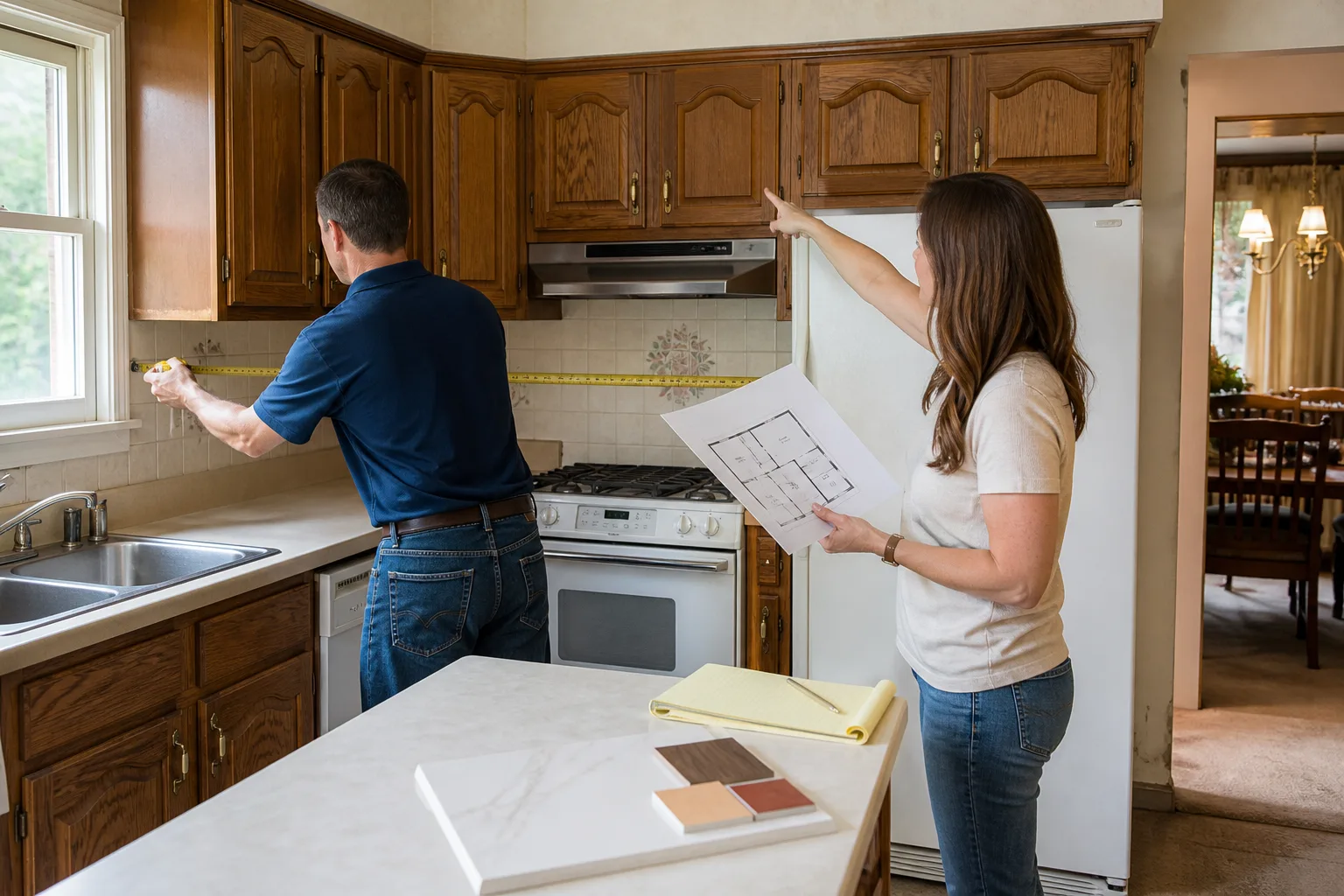
- Scope of work. This is the heart of any legitimate quote. It should list every room being touched, every trade involved, and every material being used. “Kitchen remodel, $32,000” is not a scope. “Full kitchen remodel including demo, rough carpentry, drywall repair and texture, cabinet install, countertop fabrication and install, backsplash tile, plumbing rough-in and fixture install, electrical rough-in and fixture install, flooring, trim, and paint, $32,000” is a scope.
- Materials with brand names. A quote that says “white cabinets” could mean $80 flat-pack cabinets or $12,000 of KraftMaid. We list the brand names in our quotes: KraftMaid or Wellborn for cabinetry, Cambria or Silestone for quartz countertops, Kohler or Moen for fixtures. When a manufacturer name is on the page, you know exactly what’s going into your home and what warranty backs it.
- Labor broken out by trade. Demo, framing, plumbing, electrical, tile, finish carpentry, painting. A legitimate quote separates these so you can see where the money is going. Some contractors will consolidate trades into one line. Ask them to break it out. If they won’t, walk.
- Permit line items. In Riverside, whether you’re in the city or county system, permits cost real money and require real time. A quote that omits permit costs is incomplete. Ask whether the contractor or you will file, and make sure the quote reflects the fees and the plan review time.
- Allowances and contingencies. Allowances are budgeted amounts for materials you’ll select later, like fixtures or tile. A legitimate quote states the allowance amount and is clear about what happens if your selection exceeds it. Contingencies are murkier. Some contractors build in a 5 – 10% contingency for unknown conditions like hidden water damage or code issues discovered during demo. Ask whether the contingency is included, how it’s released if unused, and whether it’s refunded or rebated. A written price that includes a clearly defined contingency is honest. One that doesn’t mention it but charges for “unforeseen conditions” at the end is not.
- Payment schedule. Here’s a red flag to watch for in Riverside’s current market: a contractor who wants 50% or more up front. Standard practice is 10 – 30% down, with draws tied to completion milestones: after demo, after rough-in, after drywall, after finish. Never pay the full balance until the project is complete and you’ve done your walkthrough.
- Warranty language. What’s the written guarantee on the work, how long is it, and what does it cover? A quote that doesn’t include warranty language is a quote from a contractor who doesn’t expect to see you again.
We’ve seen quotes from Riverside contractors that are a single paragraph long. We’ve seen others that run five pages. The length matters less than the specificity. A two-page quote with line items, brands, permits, and warranty language beats a one-paragraph promise every time.
Materials That Hold Up in Riverside’s Climate
Riverside gets 260-plus days of sun a year, summer temperatures that routinely pass 100 degrees, and the occasional Santa Ana wind event that throws dust and debris against your exterior surfaces. Material selection here isn’t about aesthetics alone. It’s about what survives.
For exteriors, James Hardie fiber cement siding outperforms both wood and vinyl in Riverside’s heat and UV. It doesn’t warp in the summer, doesn’t crack when the temperature swings 40 degrees between day and night, and carries a 30-year limited warranty from the manufacturer. We install it on remodels and additions for exactly these reasons. Belgard and Unilock pavers handle the heat and the occasional heavy rain better than poured concrete patios, which tend to develop surface cracks in Riverside’s clay-heavy areas.
For kitchens, quartz countertops from Cambria, Silestone, or Caesarstone outperform natural stone in Riverside for one simple reason: they won’t etch from the hard water that comes out of the region’s taps, and they don’t require annual sealing in a climate where heat and dryness accelerate stone wear. Cambria carries a lifetime warranty from the manufacturer, which layers on top of whatever your contractor offers.
For bathrooms, the moisture story is different. Riverside’s dry climate means less mold risk than coastal areas, but shower construction still needs proper cement board substrate (the moisture-resistant layer behind your tile) and a correctly installed waterproofing membrane. Cheap work here fails the same way it fails anywhere: tile cracks, grout breaks down, water gets into the wall cavity, and six months later you smell it. The fix costs more than doing it right the first time.
One local note: if your home is in an older Riverside neighborhood with cast-iron drain lines, factor in replacement costs before you remodel around them. Cast iron in Riverside’s alkaline soil corrodes from the outside in, and we regularly open walls in Victorians and 1950s ranchers to find lines that are functional but not long for this world. Replacing them during a remodel is cheaper than tearing out a finished bathroom later. This is exactly the kind of thing that should show up in your quote under “known conditions” or “contingency.”
Budgeting for Construction in Riverside: What Projects Cost
Here’s the straight pricing reality for Riverside as of the current market, because vague “prices vary” language helps no one.
Kitchen Remodels
- Cosmetic refresh (countertops, backsplash, hardware, lighting): $8,000 – $18,000
- Gut remodel with stock cabinetry and mid-range materials: $18,000 – $35,000
- Gut remodel with KraftMaid or Wellborn cabinetry, quartz counters, and custom layout changes: $35,000 – $55,000
- Full upscale remodel with structural changes, plumbing relocation, and premium finishes: $55,000 – $90,000+
Bathroom Remodels
- Cosmetic upgrade (fixtures, vanity, paint, mirrors): $5,000 – $12,000
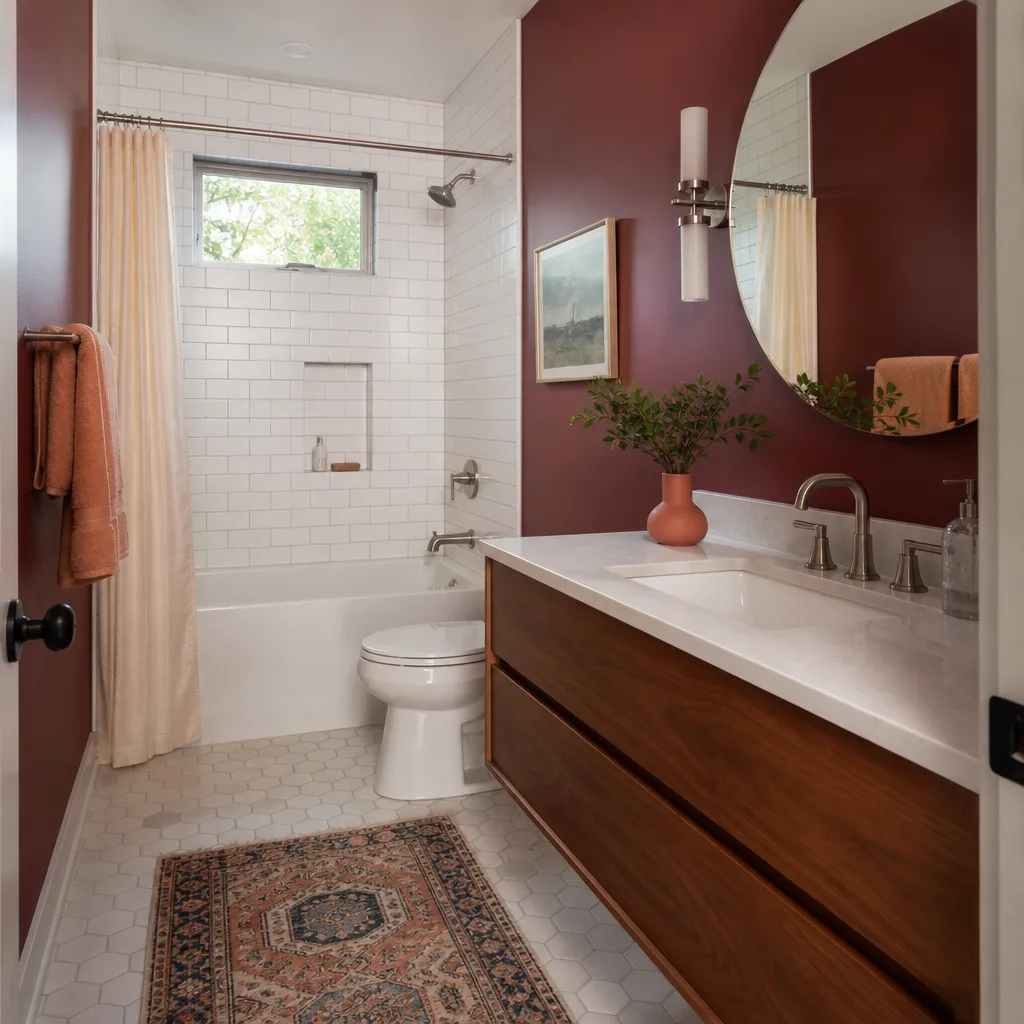
- Full guest bathroom remodel: $12,000 – $22,000
- Primary bathroom remodel with shower rebuild, custom tile, and premium fixtures: $22,000 – $35,000
- Bathroom addition or major reconfiguration: $30,000 – $55,000+
Whole-Home Remodels
- Single-story 1,500-sf home, cosmetic throughout: $60,000 – $120,000
- Single-story with kitchen and both bathrooms rebuilt: $120,000 – $200,000
- Two-story or larger, comprehensive remodel: $180,000 – $350,000
What drives the spread in Riverside specifically: soil conditions (as covered above), permit jurisdiction (city moves faster), the age of your home (pre-1980 homes carry more unknowns), and the current contractor demand cycle. Prices also shift with regional material costs, which track Inland Empire supply chains out of the ports in Long Beach and LA. We recommend getting three written quotes, but recognize that in Riverside’s current market, the cheapest quote is often the one that becomes the most expensive after demo day.
Kitchen Remodeling in Riverside and Bathroom Remodeling in Riverside both have more detailed pricing breakdowns if you’re in the planning phase and want to understand what drives the numbers up and down.
How Long Construction Actually Takes in Riverside
- Design and planning: 2 to 6 weeks. This is where you finalize layout, select materials, and review samples. Rushing this phase guarantees change orders later.
- Permitting: 2 to 16 weeks depending on jurisdiction. City of Riverside moves at 2 to 6 weeks for standard remodels. Unincorporated county areas run 6 to 16 weeks. This is the phase where homeowners lose the most time because they didn’t plan for it.
- Material ordering: 2 to 8 weeks, overlapping with permitting. Custom cabinetry from Wellborn or KraftMaid typically runs 4 to 8 weeks from order to delivery. Custom quartz slabs from Cambria or Caesarstone run 2 to 4 weeks. Order these during the permit phase, not after.
- Construction: 4 to 16 weeks depending on scope. A bathroom runs 3 to 5 weeks. A kitchen runs 6 to 10 weeks. A whole-home remodel runs 12 to 20 weeks. Additions run 10 to 16 weeks plus foundation cure time.
- Punch list and final walkthrough: 1 to 2 weeks. The part where you’ll want a written guarantee in hand.
Realistic total for a kitchen remodel in the City of Riverside: 12 to 18 weeks from first meeting to final walkthrough. In unincorporated county areas: 16 to 24 weeks. Anyone who quotes you a 3-week kitchen remodel is either doing cosmetic-only work or not being straight about what the process involves.
Common Mistakes to Avoid
- Signing a contract without a written scope. If the document doesn’t list specific rooms, materials, and trades, you’re agreeing to a number without agreeing to work. This is the number one way Riverside homeowners end up with $15,000 change orders they never saw coming.
- Ignoring your permit jurisdiction. Homeowners in places like Woodcrest or Highgrove assume they’re under city rules. They’re not. The county timeline adds weeks, and failing to account for it throws the entire budget and schedule off.
- Skipping the soil check on an addition. Riverside’s expansive clay pockets will crack a foundation slab without proper prep. The $2,000 soil test is a rounding error compared to a $40,000 foundation repair.
- Choosing the lowest bid without reading it. A low bid in Riverside’s current market is usually a bid with missing scope: no permit line, no contingency, no fixture allowances, no warranty language. The final cost will land wherever the original verbal estimate suggested.
- Paying too much up front. A contractor in a hot market has cash flow confidence. One asking for 50% down is shifting risk to you. Never pay more than 30% before work starts, and tie every draw to a completion milestone.
- Not asking about crew consistency. A contractor who subs out every trade to whoever’s available in Riverside’s seasonal labor market will deliver inconsistent work and unpredictable scheduling. Ask whether the crew is in-house or rotating.
- Accepting a verbal guarantee. “We stand behind our work” is conversation. A written 365-day promise with specifics is protection. Get the guarantee in writing before the work starts, not after the problem appears.
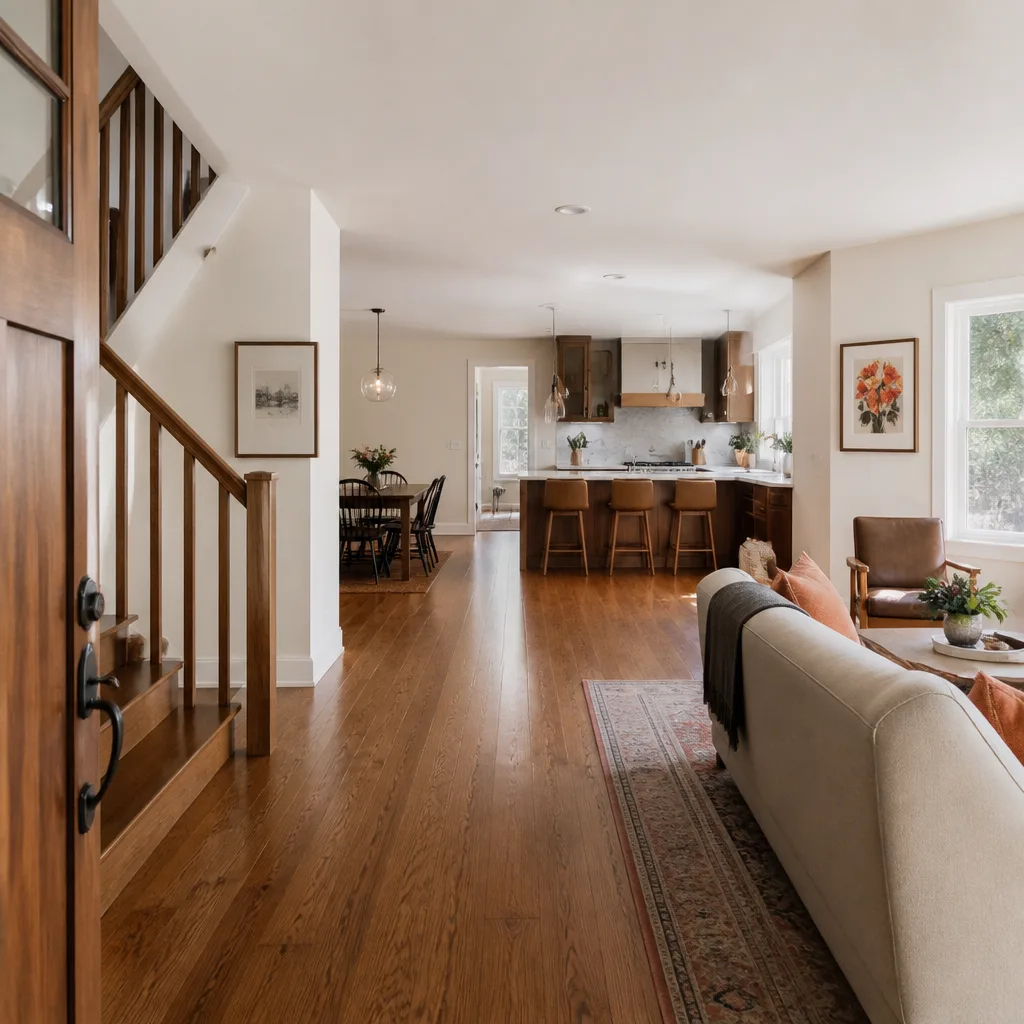
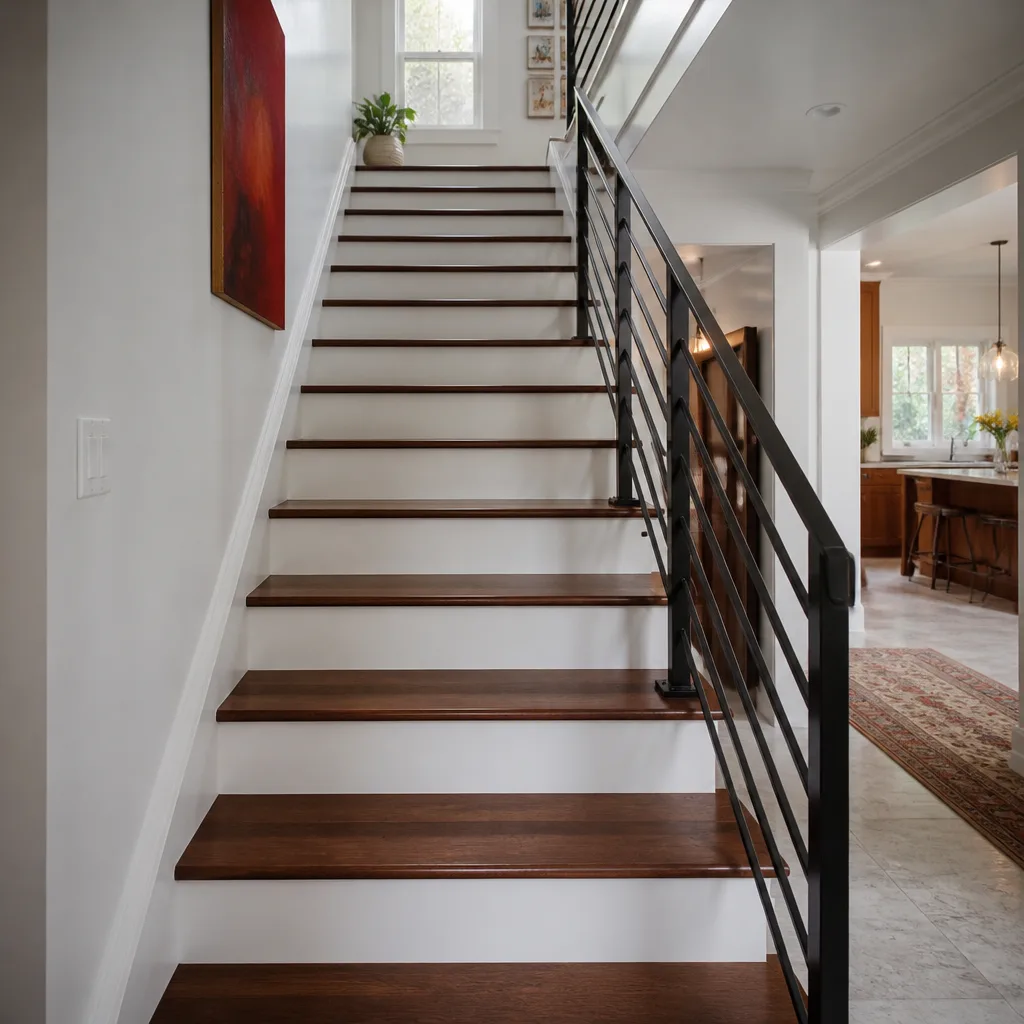
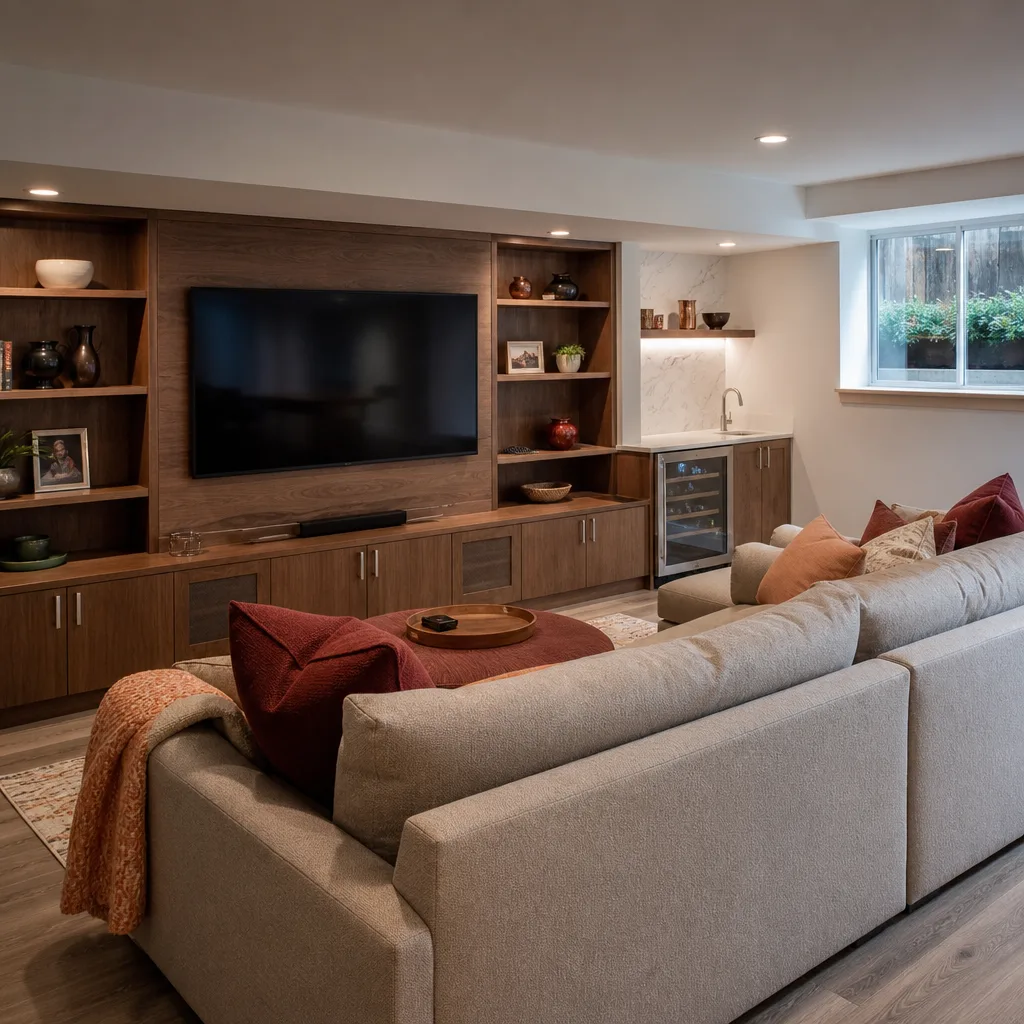
See the difference
 Before
 After
After Before
 After
After Before
 After
AfterWhen to Call a Professional
Some projects are genuinely doable for a homeowner with skills and time. Painting, replacing hardware, swapping a light fixture, even installing new baseboards. But when the work touches structure, plumbing, electrical, or waterproofing, the risk profile changes. In Riverside specifically, the complications compound: soil conditions under additions, permit requirements in both city and county jurisdictions, and building codes that have shifted in recent years around energy efficiency and fire hardening. A bathroom rebuild that isn’t properly waterproofed fails inside a year. A kitchen remodel that isn’t permitted can block a future sale when the title company asks for records. And foundation work without a soil analysis is gambling with a six-figure asset. If your project involves any of these, get a professional with local Riverside experience. General Contractor in Riverside pages can help you evaluate qualifications, and Penhallow Remodeling Riverside offers free estimates in Riverside. Call (341) 895-1170 to schedule yours.
Frequently Asked Questions

Remodel construction in Riverside runs $80 – $250 per square foot depending on scope, with kitchens and bathrooms at the high end and cosmetic refreshes at the low end. Additions run $200 – $400 per square foot when you factor in foundation work, which varies based on whether your parcel sits on expansive clay, decomposed granite, or sandy loam. Call (341) 895-1170 for a written quote on your specific project.
Yes, any kitchen remodel that touches plumbing, electrical, or structural elements requires a permit in both the City of Riverside and unincorporated Riverside County. Cosmetic work like refacing cabinets or replacing countertops sometimes doesn’t, but any wall removal, drain move, or electrical change does. Your contractor should handle the permit or at minimum tell you clearly who’s responsible.
A whole-home remodel in Riverside takes 4 to 10 months from design to final walkthrough, depending on scope and permit jurisdiction. City of Riverside permits process faster than county permits, and the construction phase itself runs 12 to 20 weeks for a comprehensive remodel. Scheduling against Q1 and Q3 demand spikes will also affect your timeline.
The spread between a $28,000 kitchen bid and a $44,000 kitchen bid usually comes down to three things: materials (stock cabinets vs. KraftMaid or Wellborn, laminate vs. Cambria quartz), scope specificity (a real line-item bid vs. a vague promise), and labor quality (consistent in-house crew vs. rotating subs). Read the quotes side by side and compare what’s actually listed. If one bid has no permit line and no warranty language, the gap makes more sense.
This is the scenario a written price protects you from, and it’s common in Riverside’s current contractor market. If you’re already in it, ask for a written change order that lists the specific condition that triggered the increase, the exact cost, and the work required to address it. If the contractor won’t provide one, stop work and get a second opinion. If you haven’t started yet, require a written price with a defined scope, contingency terms, and a written guarantee before you sign anything. Estimates are free: call (341) 895-1170 to get ours in writing.
Yes. At Penhallow Remodeling Riverside, every project includes a written 365-Day Done Right Promise: if the work fails inside the guarantee period, we come back and fix it at no charge. That includes a free return visit if a repair fails, no service call, no re-inspection fee. It’s written into every contract, not attached as an afterthought. Call (341) 895-1170 and we’ll put the promise on paper for your project.
The Bottom Line
Construction in Riverside is a different animal than construction in Los Angeles, Orange County, or San Diego. The soils under your foundation shift with seasonal moisture. The permits move at two different speeds depending on which jurisdiction your address falls under. And the contractor market runs on a seasonal rhythm that punishes anyone who doesn’t plan around it. The homeowners who do well here share three habits: they get written prices before work starts, they understand their permit routing before they sign, and they choose contractors who put the guarantee in writing alongside the number. Do those three things and your project will be the one that gets done on schedule. Skip them and you’ll have a story to tell at the next neighborhood barbecue. The choice is yours. If you want the written number, call (341) 895-1170. We answer the phone, we show up when we say we will, and we put everything on paper before a single tool comes out of the truck.
Written by Trevor Nash, Owner at Penhallow Remodeling Riverside, serving Riverside since 2004.