Last updated October 15, 2026







Free written scope consultation - allowances, timeline, and change-order rules on paper before a single trade is scheduled
Construction Permits, Codes & Inspections in CA: What You Need to Know
Unpermitted work is the second most common deal-killer in Southern California real estate transactions. Not because buyers discover it during the sale, but because it surfaces when they try to remodel after purchase and find the walls aren’t what the city thinks they are. A kitchen that looked upgraded during escrow becomes a liability the moment a contractor opens a wall and finds wiring that was never inspected, plumbing that was never approved, and a floor plan the county has no record of. This guide explains how California’s statewide code framework actually plays out on the ground in Riverside, from permit categories and local timelines to the inspection process and the legal responsibility question that trips up more homeowners than any other. For more guides & resources, visit our blog.
Styles & brands we work with





Quick Answer
California building permits are required for any work that alters structure, electrical, plumbing, or mechanical systems, and in Riverside those permits are issued by the City of Riverside Building & Safety Division with review timelines ranging from same-day for simple trade permits to several weeks for plan-review projects like additions or ADUs. State code (Title 24) sets the energy and safety baseline, but local enforcement, inspector culture, and timeline vary sharply by jurisdiction, even between adjacent zip codes. If you’re planning a kitchen remodel, bathroom remodel, room addition, or ADU in Riverside, the contractor you hire should pull the permits, schedule the inspections, and carry the legal responsibility for code compliance, not you. For a deeper look at how to evaluate your options, see our DIY vs Professional Construction: The Riverside Homeowner’s Decision Guide.
Table of Contents
- Who Pulls the Permit in California (and Why It Matters)
- Permit Categories for Riverside Remodels: Kitchen, Bathroom, ADU, Addition
- City of Riverside vs. Unincorporated Riverside County: What’s Different
- Title 24 Energy Code: The Cost Driver Nobody Explains
- What Happens During a Riverside Building Inspection
- Realistic Review Timelines for Riverside Permits
- What Happens If You Buy a House With Unpermitted Work
- Common Mistakes to Avoid
- When to Call a Professional
- Frequently Asked Questions
- The Bottom Line
Who Pulls the Permit in California (and Why It Matters)
Under California law, the contractor is responsible for obtaining permits. This is not a matter of convention or preference; it’s written into the Business and Professions Code. A contractor who asks you to pull your own permit is either not licensed, not insured for the work being performed, or trying to push liability for code compliance onto you. None of those outcomes are acceptable.
When a licensed general contractor pulls a permit in Riverside, several things happen automatically that protect you, as outlined in our General Contractor Maintenance Checklist for Riverside Homeowners. The contractor’s license number is attached to the permit record, which means the Contractors State License Board (CSLB) has jurisdiction if something goes wrong. The work is scheduled for inspection by a Riverside building inspector who works for the city, not for the contractor. And the permit creates a public record that the work was done to code, which matters when you sell the house.
If a contractor asks you to pull the permit yourself, here’s what it actually means in practice. You become the legally responsible party on the permit application. You assume liability for the work’s code compliance, even though you didn’t do the work. Your name goes on the record, not the contractor’s. If the work fails inspection, you’re the one the city comes after. If the contractor walks off the job, you’re the one holding an open permit that becomes a disclosure issue when you sell. We’ve had homeowners come to us in Riverside with exactly this problem, and the fix always costs more than the original job should have.
Trevor Nash, owner of Penhallow Remodeling Riverside home, puts it simply: “If the contractor won’t pull the permit, the contractor shouldn’t do the work.” That’s been the standard at our company since we started serving Riverside homeowners, and it’s the standard every homeowner should hold every contractor to.
Permit Categories for Riverside Remodels: Kitchen, Bathroom, ADU, Addition
Riverside’s Building & Safety Division issues permits by category, and the category determines everything from cost to review timeline to inspection count. Most remodels touch multiple categories at once, which is why the smart move is to let the contractor bundle them into a single application rather than filing separately.
Kitchen Remodel Permits
A full kitchen remodel in Riverside typically requires three permit types when you’re moving plumbing, changing electrical runs, or altering walls:
- Building permit for structural changes, wall removal, or window/door relocations.
- Electrical permit for new circuits, lighting changes, or moving outlets the city requires dedicated circuits for appliances like microwaves and dishwashers.
- Plumbing permit for moving the sink, adding a pot filler, or relocating the gas line for the range.
If you’re keeping the same layout and just replacing cabinets, countertops, and appliances, the permit picture changes. Swapping cabinetry and counters without moving plumbing or electrical does not typically require a permit in Riverside. But the moment you move a sink, add an outlet, or alter a wall, the permit requirement kicks in. And here’s the part most homeowners miss: even a “simple” cabinet replacement often requires an electrical permit if the existing wiring doesn’t meet current code. Inspectors will flag it, and the fix isn’t optional.
Bathroom Remodel Permits
Bathroom remodels follow a similar pattern, with one significant addition: waterproofing verification. Riverside inspectors are specifically attentive to shower pan installation and waterproofing details, because failures there cause structural damage that’s expensive to repair. The permit categories for a typical bathroom remodel include:
- Building permit for any wall or floor changes.
- Plumbing permit for moving the toilet, sink, shower, or tub.
- Electrical permit for GFCI outlet requirements, lighting changes, or exhaust fan installation.
Riverside follows the California Plumbing Code, which requires specific shower pan testing procedures. The inspector will ask for a flood test on the shower pan before the tile goes up. If you skip this step because a contractor says it’s not necessary, you’re betting your subfloor against the inspector’s checklist, and the inspector always wins that bet.
ADU Permits
Accessory dwelling units (ADUs) are the most permit-intensive residential projects in Riverside right now. A detached ADU requires a building permit, electrical permit, plumbing permit, mechanical permit for HVAC, and depending on the site, a grading permit. The plan review process is substantially longer than a standard remodel because ADUs are full dwelling units subject to all residential building code requirements, including egress, insulation, and energy compliance.
California’s statewide ADU laws have streamlined local approval since 2017, but “streamlined” is relative. Riverside still requires plan review, and the plans have to be professionally drawn and code-compliant. We’ve guided enough Riverside homeowners through this process to know that the difference between a smooth ADU permit and an eight-week stall is usually in the drawings, not the city.
Room Addition Permits
Room additions fall under the same plan-review pathway as ADUs, though without the separate dwelling unit requirements. The essential permits are building and electrical, with plumbing and mechanical added if the addition includes a bathroom or extends HVAC. Foundation inspections are required before framing can proceed, and the city will want to see structural calculations for any load-bearing changes.
For any of these project types, a General Contractor in Riverside who handles permits regularly will save you time and frustration. The application process itself is the same for everyone; the difference is knowing what the plan checker will ask for before they ask for it.
City of Riverside vs. Unincorporated Riverside County: What’s Different
Riverside County is enormous, and the permitting experience depends heavily on whether you’re inside the City of Riverside or in an unincorporated area. The building codes are identical, because California has one statewide building code. The enforcement culture, timeline, and process are not identical.
In the City of Riverside, you’re dealing with the Building & Safety Division at City Hall. The process is relatively consistent, the plan checkers are city employees, and the turnaround times are predictable if you know the system. In unincorporated Riverside County areas like Woodcrest, Highgrove, or parts of La Sierra, you’re dealing with Riverside County Building & Safety, which covers a much larger territory and has a different review process.
Here’s a practical example of the difference. In the City of Riverside, a standard water heater replacement permit is typically issued same-day at the counter. In unincorporated county areas, the same permit may take three to five business days depending on staffing and backlog. The code requirement is identical; the process isn’t.
Another real difference: the City of Riverside has adopted specific local amendments to the California Building Code, including stricter requirements for certain fire-rated construction in hillside areas. Riverside County has its own amendments for unincorporated areas, some of which address grading and drainage more aggressively than the city’s versions. What sails through in one Riverside zip code can stall for weeks in an adjacent unincorporated area because the drainage review requirements are different, and the plan checker has different discretionary authority.
This matters for homeowners because a contractor who only works in one jurisdiction may be blindsided by the other’s requirements. A contractor who works across both knows what triggers extra review and plans for it from day one. We work in both City of Riverside and unincorporated county territory, and the number one thing we adjust before starting any project is the permit timeline, because that’s where the surprises live.
Title 24 Energy Code: The Cost Driver Nobody Explains
California’s Title 24 energy code is the most commonly misunderstood cost driver in residential remodeling. It applies to virtually every project that touches the building envelope, which means windows, insulation, roofs, and also to HVAC systems and lighting. The 2022 update, which took effect in 2023, tightened requirements again, and Riverside is in Climate Zone 10, which has specific requirements that are different from coastal California.
Here’s what Title 24 actually means for your remodel in practical terms. If you replace windows in Riverside, they must meet specific U-factor and solar heat gain coefficient ratings. If you add insulation to a wall you’re opening anyway, the new insulation must meet the minimum R-value for Climate Zone 10. If you replace an HVAC system or add one to a room addition, the equipment needs to meet or exceed the Title 24 efficiency standards, and you’ll need a HERS (Home Energy Rating System) inspection to verify the installation.
The cost driver comes in two forms. First, Title 24 compliance adds direct material cost. A Title 24-compliant window costs more than a non-compliant window, and a Title 24-compliant HVAC system costs more than a builder-grade unit. Second, and less obviously, Title 24 adds indirect cost through required documentation and verification. When you replace certain HVAC components or do a major remodel that crosses a threshold, you may need a HERS rater to come out and verify the work. That’s an additional inspection beyond the city’s building inspection, and it costs money.
A kitchen remodel that touches windows, insulation, or HVAC will feel the Title 24 impact. A bathroom remodel that doesn’t touch those systems usually won’t. A room addition is almost always Title 24-triggering because you’re creating new conditioned space, which means new windows, new insulation, and typically new HVAC capacity to serve the added square footage.
Here’s the honest framing: Title 24 isn’t optional, and it isn’t a suggestion. It’s a mandatory energy code that your permit can’t be approved without addressing. A contractor who says “we don’t need to worry about that” is a contractor who won’t be able to close out your permit. At Penhallow Remodeling, we include Title 24 compliance in the written price before any work starts. We use materials from recognized brands like Atlas for roofing underlayment and PGT for impact-rated windows when the project calls for them, and we factor the HERS verification into the schedule so it doesn’t surprise you at the end.
What Happens During a Riverside Building Inspection
A Riverside building inspection is a verification process, not a negotiation. The inspector’s job is to confirm that the installed work matches the approved plans and meets the minimum code requirements. Inspectors have authority to pass work, fail work, or issue correction notices. They do not have authority to waive code requirements, even if they personally believe a requirement is unnecessary.
Here’s what actually happens step by step when you have a Kitchen Remodeling in Riverside permit inspection:
- Scheduling. The contractor schedules the inspection through the city’s online portal or by phone. Riverside typically offers next-day inspection slots for most trade inspections, but plan-review inspections (like the final on an ADU) can be scheduled further out.
- Access. Someone over 18 must be present at the property. For occupied homes, that’s usually you or the contractor. The inspector needs access to the specific areas covered by the permit.
- Documentation check. The inspector will want to see the approved plans and the permit card. If the work doesn’t match the plans, the inspection stops there.
- Walk-through. The inspector examines the specific work covered by the permit. They’re checking rough-in details on electrical, plumbing, and framing inspections, or finished conditions on final inspections.
- Correction list or pass. If the work fails, the inspector issues a written correction notice listing exactly what needs to be fixed. The contractor fixes the issues and schedules a re-inspection.
- Final sign-off. When all inspections pass, the permit is finalized, and the record shows the work is code-compliant.
What an inspector can flag: anything covered by the permit and anything that’s a life-safety issue, even if it wasn’t part of the permitted scope. If an inspector walks into a kitchen for a final and sees exposed wiring in the adjacent wall that was never permitted, they can and will flag it. What an inspector cannot do: give you design advice, recommend a contractor, or waive a code requirement because it seems unimportant.
Preparation matters more than most homeowners realize. The permit card needs to be posted and visible. The approved plans need to be on site. The work area needs to be accessible and reasonably clean. A locked gate or a parked car blocking the service panel is a failed inspection for reasons that have nothing to do with workmanship. We tell every Riverside homeowner we work with the same thing: the inspection is the part of the project we can’t control, but we can control everything that makes it smoother.
Realistic Review Timelines for Riverside Permits
Every contractor wants to tell you the shortest timeline. Here’s what’s actually realistic in Riverside as of this writing, based on recent permitting experience:
- Simple trade permits (water heater replacement, electrical panel upgrade, re-roof): same-day to 3 business days.
- Standard kitchen or bathroom remodel permits (building, electrical, plumbing): 1 to 2 weeks for plan check if the plans are complete and drawn correctly.
- Room addition permits (structural plan review required): 3 to 6 weeks, depending on plan checker workload and the quality of the submitted drawings.
- ADU permits (full dwelling unit review): 4 to 8 weeks, with resubmission cycles possible if the first review catches issues.
The timeline variable that matters most isn’t the city’s speed; it’s the quality of the plans being submitted. A plan set with missing details, incorrect Title 24 documentation, or structural calculations that don’t match the drawings will bounce back for corrections. Each correction cycle adds one to three weeks. We’ve seen the same ADU design get approved in four weeks with clean drawings and take twelve weeks with sloppy ones. The city isn’t the variable in that comparison.
Riverside offers a same-day “counter plan review” for certain simple permits, which is worth knowing about if you’re doing a small project. But the big remodels all go through the regular plan check queue, and there’s no shortcut around it. Anyone who promises you a permit in “a few days” for a room addition or ADU in Riverside is telling you something you should be suspicious of.
What Happens If You Buy a House With Unpermitted Work
California’s residential disclosure laws require sellers to disclose unpermitted work, but the reality is that many unpermitted projects are never disclosed because the seller genuinely doesn’t know. The work was done by a previous owner, the quality looks fine, and nobody flagged it during the sale. Then you buy the house and start planning your remodel, and that’s when it surfaces.
Here’s what actually happens. You hire a contractor to remodel the kitchen in your Riverside home. The contractor opens the wall and finds that the previous “upgrade” rewired part of the house without a permit. The wiring is functional, but it doesn’t meet current code. Now you have two problems: the remodel needs to bring that wiring up to code, which adds cost, and when you eventually sell the house, you’re required to disclose the unpermitted work even though you didn’t do it.
The financial impact varies by severity. A non-permitted water heater replacement is a few hundred dollars to correct. A non-permitted room addition with no foundation inspection can be tens of thousands to remediate, assuming it can be remediated at all. Some unpermitted work can be retroactively permitted through a “permit after the fact” process, but only if the work meets current code. Work that doesn’t meet current code must be removed or brought up to code before the permit can be issued.
This is why we tell every Riverside homeowner we work with the same thing: before you buy a house with visible signs of renovation, check the permit history. The City of Riverside and Riverside County both have online permit portals where you can search by address. If the kitchen looks remodeled but there’s no permit on record for it, ask the seller. If the seller doesn’t know, you have a decision to make, and the decision should factor in the cost of potential remediation.
Common Mistakes to Avoid
- Letting a contractor talk you out of permits. The number one mistake we see in Riverside. The contractor says “we can do it without permits, it’ll save you $1,500.” What they’re actually saying is “I don’t want the city inspecting my work.” The permit fee is a fraction of what correcting bad work costs.
- Pulling the permit yourself because the contractor asked you to. If the contractor is licensed and legitimate, they pull their own permits. If they ask you to pull it, something about their status or their work doesn’t match the permit requirements.
- Assuming a verbal quote covers permit costs. Permits, Title 24 compliance, and inspection fees are line items. If they’re not in the written price, they’re not in the price. Get the written number before any work starts.
- Starting work before the permit is issued. In Riverside, starting without a permit triggers a stop-work order and a penalty double the normal permit fee. The city doesn’t negotiate on this.
- Modifying scope after the permit is issued without updating it. Changing the layout mid-project without filing an amendment means the inspection will fail and the permit won’t close. It’s fixable but delays everything.
- Ignoring Title 24 requirements until the final inspection. Title 24 compliance isn’t a final-step checkbox. It shapes material choices from the start. Waiting to address it means redoing work.
- Buying a Riverside home without checking permit history. The online portals are free and searchable by address. Ten minutes of checking before escrow closes can save five figures later.
When to Call a Professional
Any project that changes structure, electrical, plumbing, or building envelope is the point where a licensed, permit-pulling contractor is the right call. A kitchen remodel that moves a sink, a Bathroom Remodeling in Riverside project that reconfigures a shower, a room addition, or an ADU all fall into this category. These projects require plan review, code compliance, and multiple inspections, and the person responsible for those should be someone who does it every week, not someone doing it for the first time on your house.
You should also call a professional if you’re buying a home with unpermitted work and need to understand the cost and process of bringing it up to code. Our Construction Warning Signs: A Riverside Homeowner’s Reference Guide covers additional red flags to watch for. And if a contractor has already told you permits aren’t necessary for a project you know should have them, that’s a call to a different contractor. Penhallow Remodeling Riverside offers free estimates in Riverside, and our written price always includes the permit costs, the Title 24 compliance, and the guarantee. Call (341) 895-1170 to schedule yours.
Frequently Asked Questions
Building permit costs in Riverside are calculated as a percentage of the project valuation, typically ranging from $500 to $3,000 or more depending on the scope. A simple kitchen or bathroom remodel permit is usually on the lower end of that range, while a room addition or ADU is on the higher end. The exact fee is determined by the city’s fee schedule and the declared project value, which is why a written estimate from your contractor should always include the permit line item. Call (341) 895-1170 to get a written price that includes every permit and inspection cost.
Yes, you need a building permit to remodel a kitchen in Riverside if you’re moving walls, relocating plumbing, changing electrical, or altering windows or doors. A cosmetic cabinet and countertop replacement that doesn’t move systems may not require a permit, but the moment you touch plumbing, electrical, or structure, the permit requirement applies. Penhallow Remodeling pulls all necessary permits for every kitchen remodel we do in Riverside.
Simple trade permits in Riverside can be issued same-day or within three business days, while standard kitchen and bathroom remodel permits usually take one to two weeks. Room additions and ADUs that require full plan review typically take three to eight weeks depending on the drawings and the city’s current backlog. The biggest variable is plan quality; clean drawings get approved faster than incomplete ones.
Under California law, the licensed contractor is responsible for pulling permits on a construction project. If a contractor asks you to pull the permit yourself, that’s a red flag that something about their license status or their work isn’t right. A legitimate contractor’s license number goes on the permit application, and the CSLB has jurisdiction over the project from that point forward.
If the city discovers unpermitted work in Riverside, you’ll receive a notice of violation, be required to stop work, and need to either obtain a permit after the fact or remove the work. The penalty is double the normal permit fee, and the work must meet current code to be permitted retroactively. Unpermitted work also creates disclosure obligations when you sell, and buyers routinely discover it during their own remodel planning.
A bathroom remodel that doesn’t touch windows, insulation, or HVAC typically does not trigger significant Title 24 requirements. The moment your project adds or replaces windows, modifies exterior insulation, or changes the HVAC system, Title 24 becomes a mandatory consideration that affects both material costs and the inspection process. Any contractor handling your remodel should be able to tell you exactly which Title 24 items apply to your specific project, and the cost should be in the written price from day one.
The Bottom Line
California’s building code is statewide, but your building permit experience is local. In Riverside, the difference between a smooth project and a stalled one comes down to three things: a contractor who pulls permits as a matter of course, plans that are drawn correctly the first time, and a written price that includes every permit, inspection, and compliance cost from the start. Unpermitted work never gets cheaper to fix, and it rarely stays hidden forever. Whether you’re planning a kitchen update, a bathroom remodel, or a full addition, the smart move is the same: hire a licensed contractor, check their permit record, and get the number in writing before a single wall opens. That’s how we’ve run every project at Penhallow Remodeling since day one, and it’s the reason Riverside homeowners keep calling.
Written by Trevor Nash, Owner at Penhallow Remodeling Riverside, serving Riverside since 2004.
See the difference
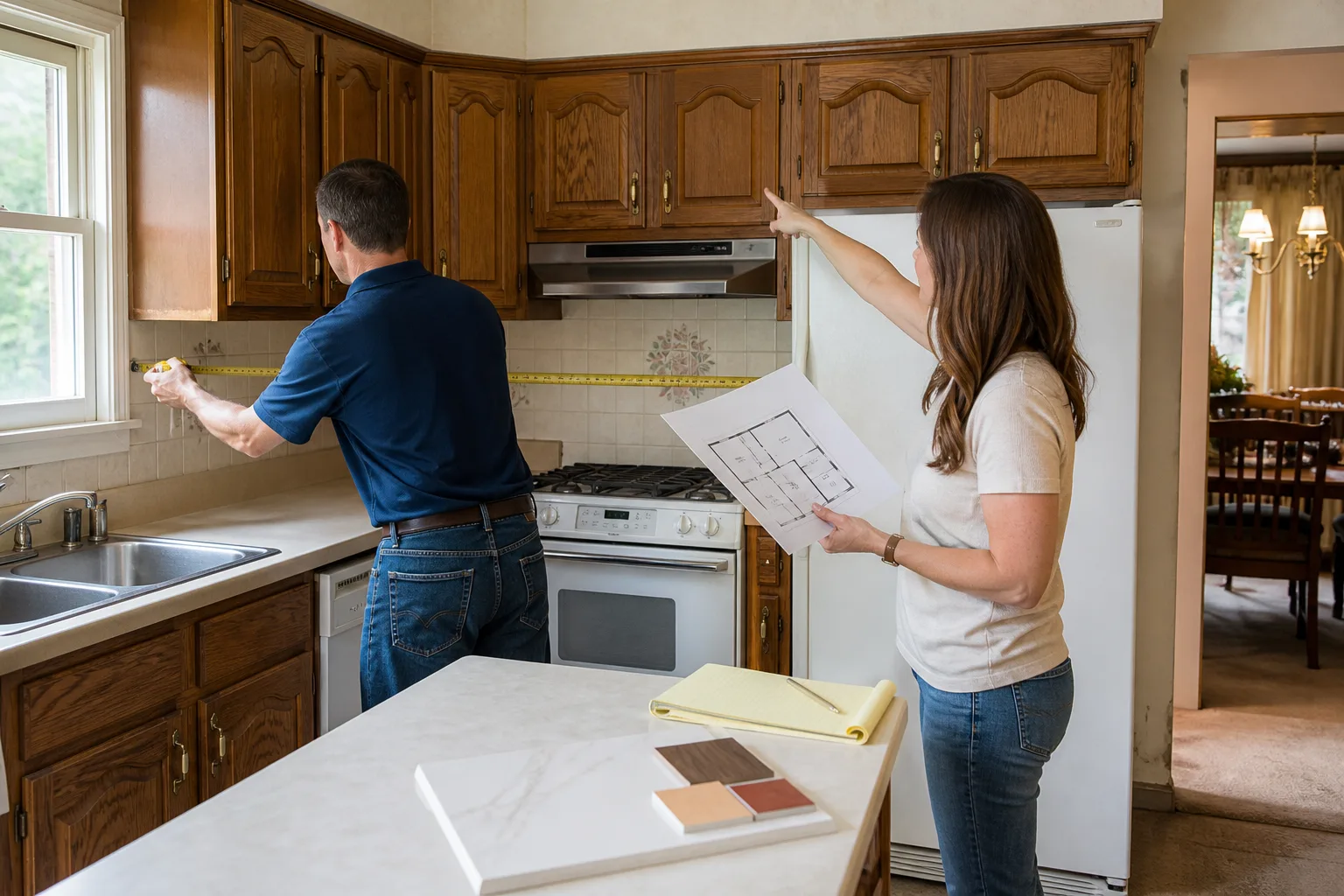
 Before
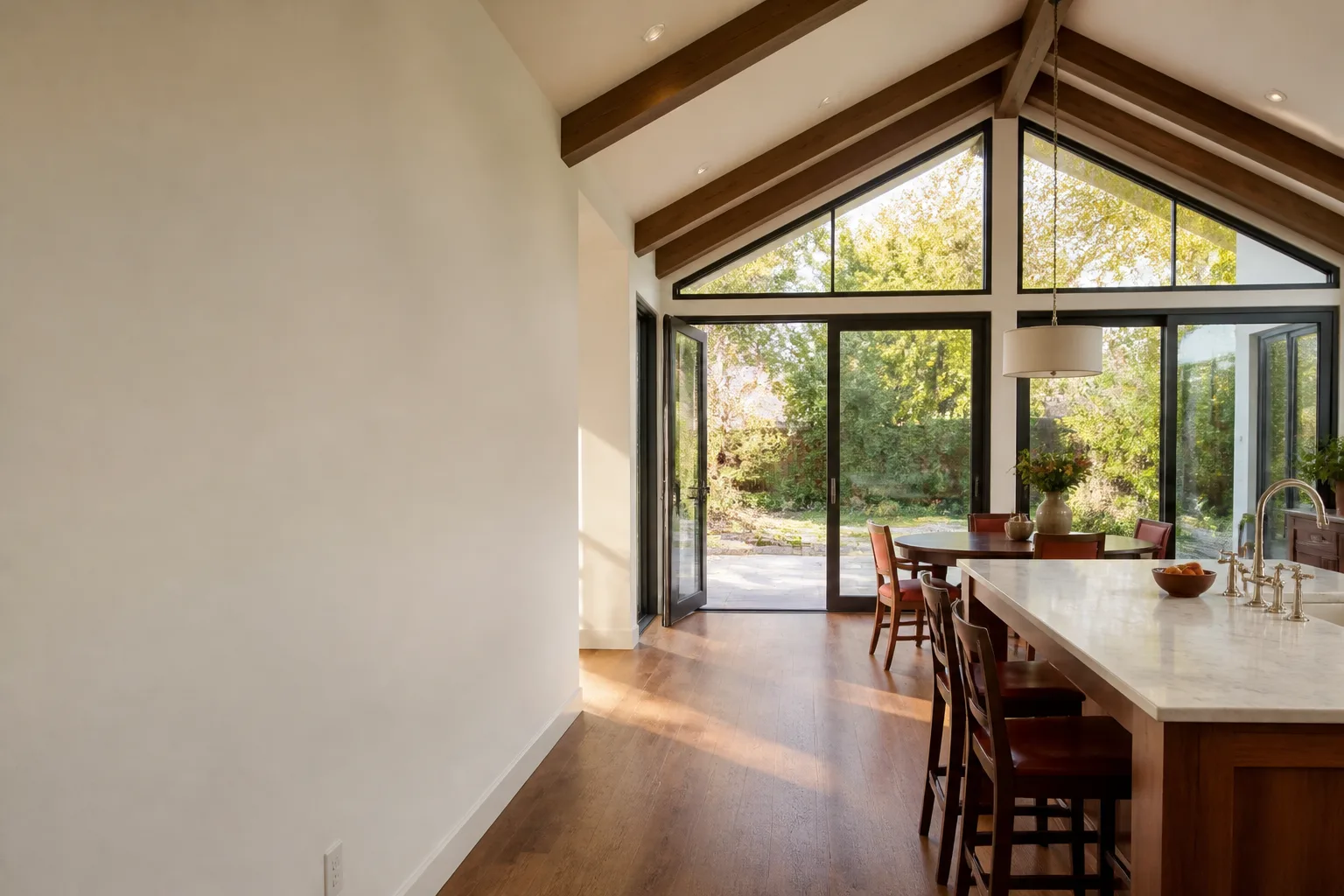
 After
After Before
 After
After Before
 After
After