Last updated October 15, 2026
Free written scope consultation - allowances, timeline, and change-order rules on paper before a single trade is scheduled
Construction Cost Breakdown: The Riverside Homeowner’s Reference for 2026
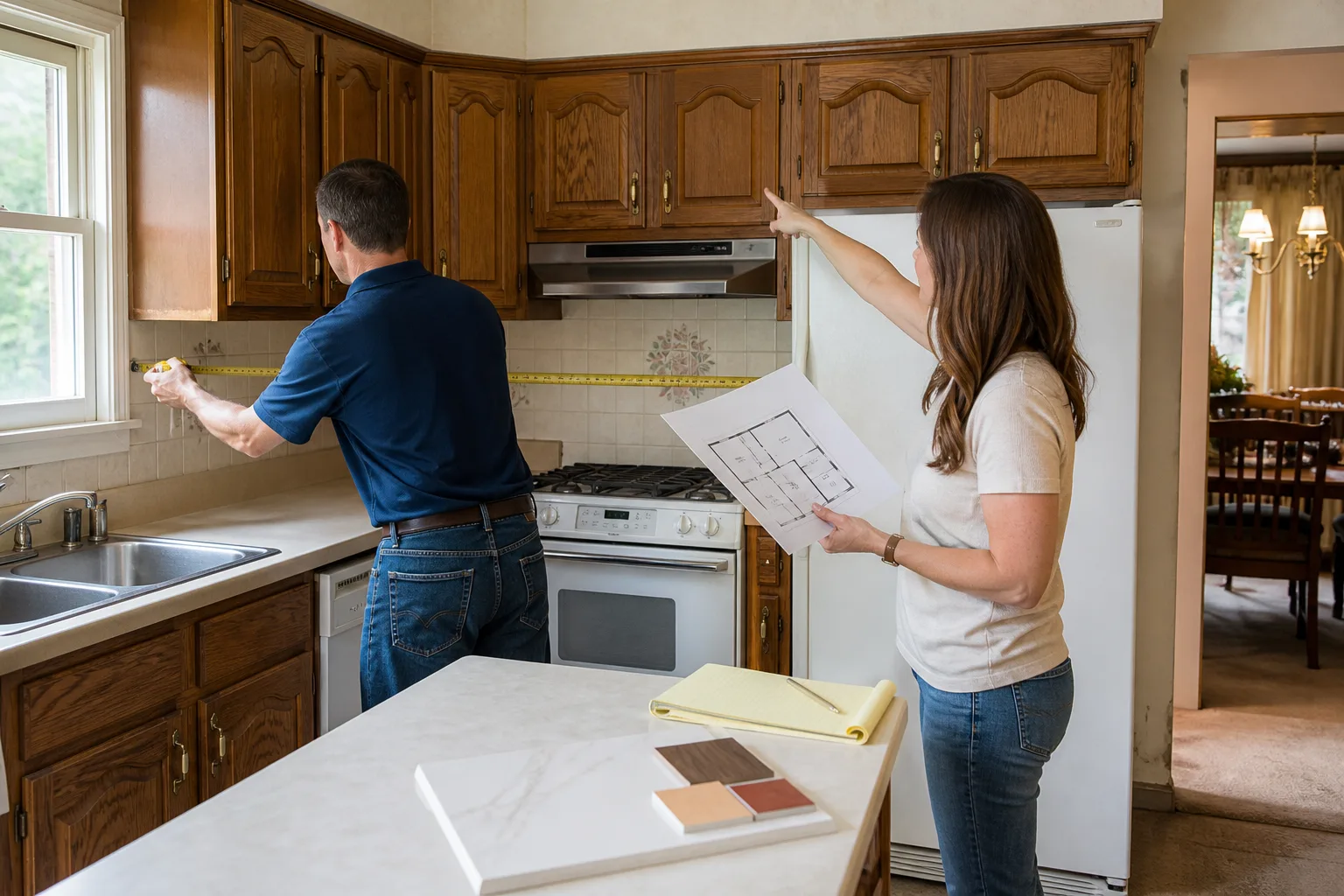
The national average for a mid-range kitchen remodel hovers around $27,000. Walk that same project through Riverside in 2026, and the realistic number lands closer to $38,000. The gap isn’t contractor markup. It’s California’s Title 24 energy code, Riverside County permit schedules, and Inland Empire labor rates that national cost databases simply don’t capture. This guide breaks down what construction actually costs in Riverside right now, line by line, and points you to more guides & resources so you can read a quote and know whether it’s fair.
Quick Answer
Construction costs in Riverside for 2026 run approximately $250 – $450 per square foot for remodels and $200 – $350 per square foot for new additions, with kitchens ranging $28,000 – $75,000, bathrooms $15,000 – $40,000, room additions $60,000 – $150,000, and ADUs $180,000 – $350,000. Riverside sits below Orange County and Los Angeles pricing but above the rural Inland Empire, driven by local labor competition, Title 24 compliance, and Construction Permits, Codes & Inspections in CA: What You Need to Know.
Styles & brands we work with
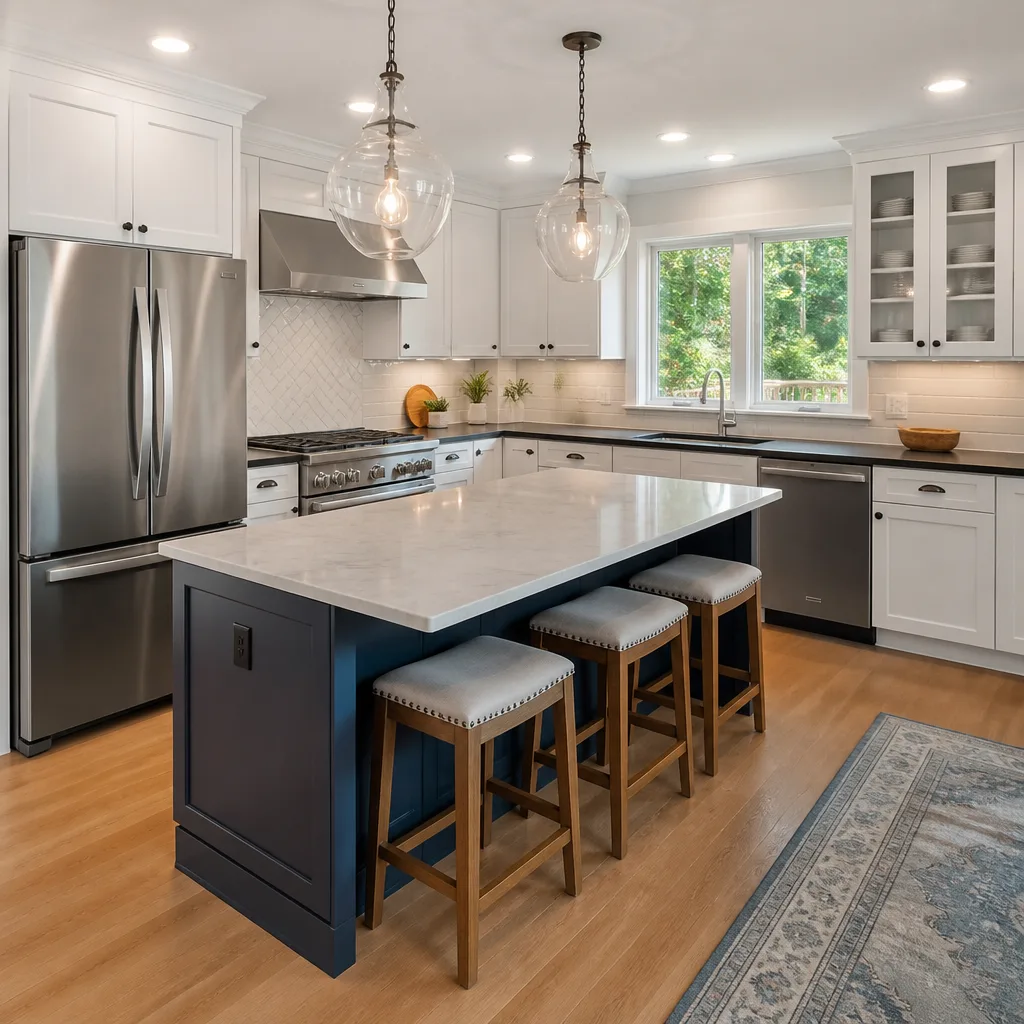
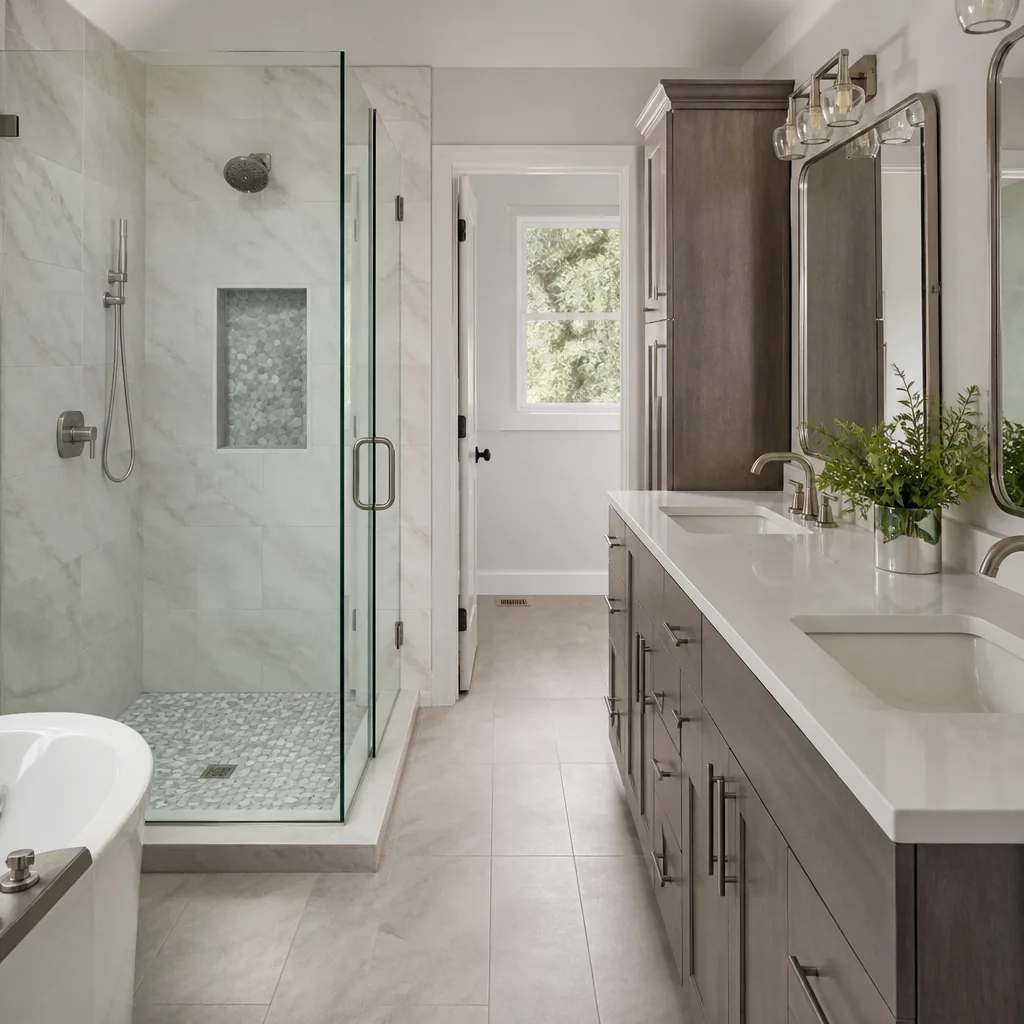
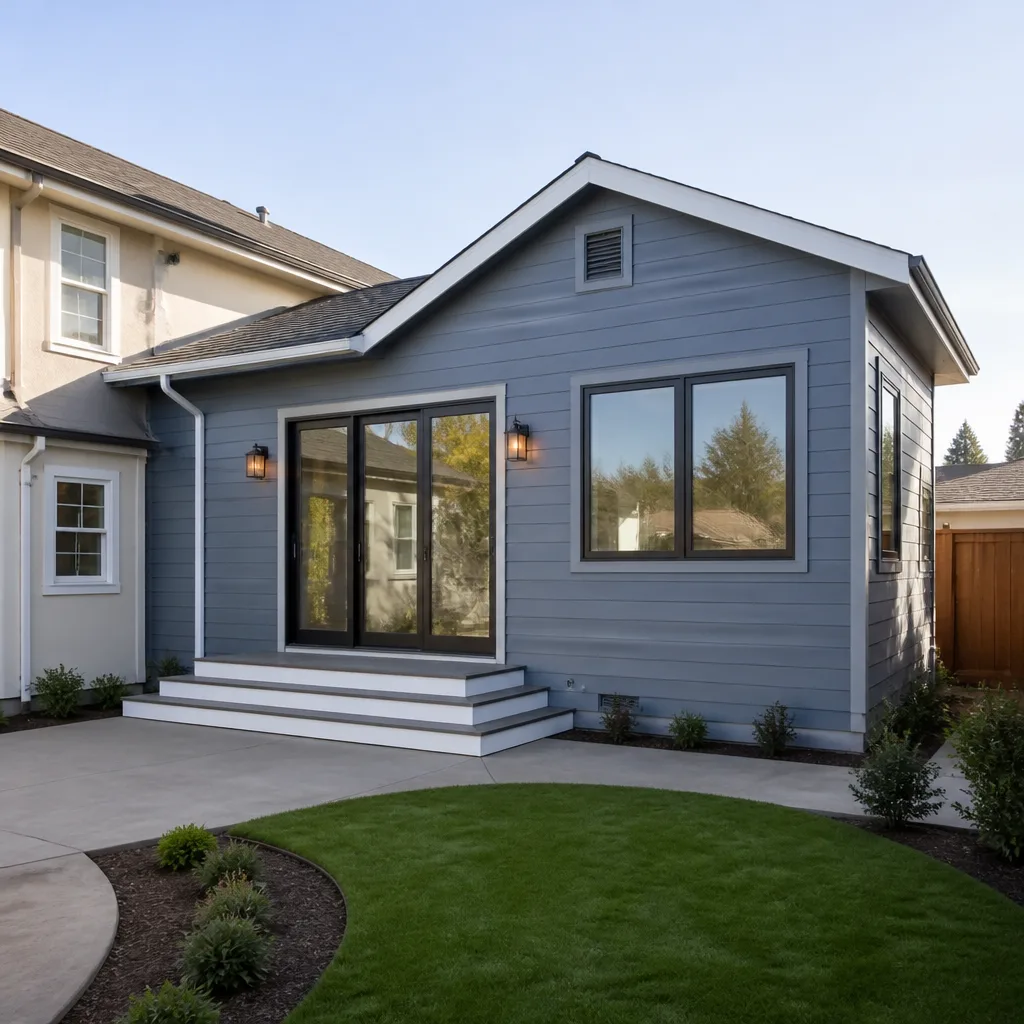
Table of Contents
- What a Kitchen Remodel Costs in Riverside in 2026
- What a Bathroom Remodel Costs in Riverside in 2026
- What a Room Addition Costs in Riverside
- What an ADU Costs in Riverside in 2026
- How Title 24 Adds Real Dollars to Your Project
- Riverside Permit Fees: What They Are and How to Estimate Them
- Inland Empire Materials Volatility: What’s Stable and What Isn’t
- What a Written Fixed-Price Contract Should Actually Say
What a Kitchen Remodel Costs in Riverside in 2026
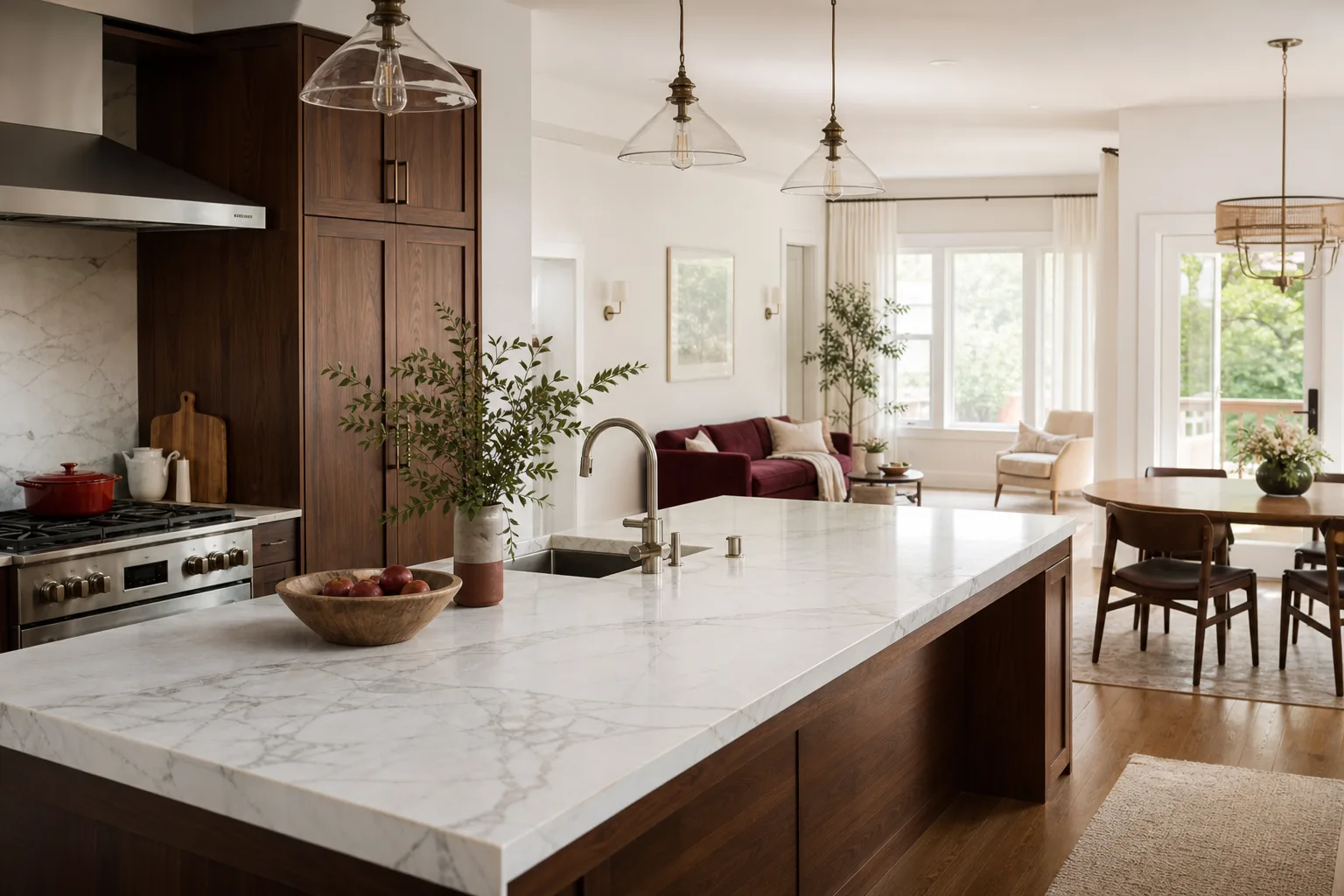
A kitchen remodel in Riverside typically runs $28,000 to $75,000 depending on cabinet line, countertop material, and whether you move plumbing or walls. Mid-range projects with semi-custom cabinetry and quartz counters cluster around $38,000 – $48,000. High-end kitchens with custom cabinetry, imported stone, and appliance upgrades push past $70,000. Here’s where the money goes.
Line-by-Line Kitchen Breakdown
- Cabinetry: $9,000 – $24,000. Stock cabinets land at the low end; KraftMaid or Wellborn semi-custom lines run mid-range; full custom hits the top. Cabinets are usually 30 – 35% of the total.
- Countertops: $3,500 – $9,000. Laminate starts around $1,800. Quartz from Cambria, Silestone, or Caesarstone runs $65 – $110 per square foot installed. Natural stone with dramatic veining goes higher.
- Plumbing and electrical: $4,000 – $9,000. Moving a sink or adding dedicated circuits for a wall oven and induction cooktop adds real labor hours.
- Flooring: $1,800 – $5,000. Tile or luxury vinyl plank for a 150-square-foot kitchen.
- Demo and hauling: $1,500 – $3,000. Riverside requires construction debris to go to approved transfer stations, not the regular dumpster.
- Permits and Title 24: $1,200 – $3,500. Covered in more detail below.
- Fixtures and hardware: $800 – $3,000. Kohler and Moen fixtures are standard mid-range choices, and the brand matters when you’re thinking about what lasts.
- General contractor overhead and margin: 15 – 22% of total. This covers supervision, scheduling, warranty administration, and someone who answers the phone.
In neighborhoods like Canyon Crest and Mission Grove, we’ve seen kitchens where the existing footprint works fine and the budget stays tight because nothing moves. In older Wood Streets homes, moving a gas line or upgrading a 1940s electrical panel adds $3,000 – $6,000 before a cabinet is ordered. If you want a real number for your kitchen, the Kitchen Remodeling in Riverside process starts with a written price, not a verbal ballpark.
What a Bathroom Remodel Costs in Riverside in 2026
Bathroom remodels in Riverside run $15,000 to $40,000 for a full gut and rebuild. A guest bath with a fiberglass tub surround and stock vanity can stay under $18,000. A primary bath with a tiled walk-in shower, dual vanities, and a separate soaking tub lands between $28,000 and $40,000. The single biggest cost driver is the shower, specifically the waterproofing system behind the tile.
Line-by-Line Bathroom Breakdown
- Demo and prep: $1,200 – $2,800. Includes removal of old tile, drywall, and waterproofing that has failed.
- Shower or tub surround: $4,000 – $12,000. A cement board substrate (the moisture-resistant layer behind your tile) with a quality waterproofing membrane matters more than the tile itself. This is the part that fails when someone shortcuts it.
- Vanity and countertop: $1,500 – $5,000. Stock vanities with quartz tops are a sweet spot for durability and cost.
- Flooring: $900 – $2,800. Porcelain tile in a 40 – 60 square foot bathroom.
- Plumbing and electrical: $2,500 – $7,000. Moving a toilet or adding a second sink requires permit work and sometimes re-venting.
- Tile labor: $2,000 – $6,000. Skilled tile setters are in short supply across the Inland Empire, and their labor rate reflects it.
- Fixtures: $800 – $3,500. Moen, Delta, Toto, and Grohe all make fixtures that carry their own warranties alongside the installation guarantee.
- Permits: $600 – $1,800. Bathroom remodels touching plumbing or electrical always pull a permit in Riverside.
Riverside’s hard water changes the calculus on fixtures. The mineral content eats through cheap cartridges and finishes in a few years. Spending an extra $200 on a better valve now means you’re not replacing it in 2029. For a full breakdown of what a bathroom costs here, see Bathroom Remodeling in Riverside.
What a Room Addition Costs in Riverside
Room additions in Riverside run $200 – $350 per square foot in 2026, which puts a 400-square-foot addition between $80,000 and $140,000. The range is wide because a simple bedroom bump-out has a completely different cost structure than a family room addition with a kitchenette, new HVAC zone, and foundation work on a sloped lot.
What Drives the Square-Foot Price Up or Down
- Foundation type: slab-on-grade runs $8 – $15 per square foot. Raised foundation with crawl space runs $15 – $25. Riverside’s older neighborhoods often have raised foundations, and additions there cost more to tie in structurally.
- Roof tie-in: $8,000 – $20,000. The existing roofline dictates how complicated this gets. A simple shed roof is cheapest; a hip roof that matches the original home costs more.
- HVAC extension: $5,000 – $12,000. Riverside summers demand real cooling. Extending ductwork or adding a mini-split is not optional.
- Windows and doors: $3,000 – $9,000. Title 24 requires specific glazing and insulation values, which takes us to a big topic below.
- Interior finishes: $20,000 – $45,000. Drywall, insulation, flooring, paint, lighting, and trim.
The most important advice for additions: get a structural engineer involved before you fall in love with a layout. Older Riverside homes on pier-and-beam foundations sometimes need $10,000 – $25,000 in retrofit work before an addition is even feasible. A good General Contractor in Riverside will tell you that on the first visit, not after you’ve signed.
What an ADU Costs in Riverside in 2026
Accessory dwelling units in Riverside run $180,000 to $350,000 turnkey in 2026. A 500-square-foot garage conversion with an existing foundation and electrical service starts around $150,000 – $180,000. A new detached 800-square-foot ADU with a full kitchen, separate utility connections, and site work lands between $280,000 and $350,000. State legislation streamlined ADU approvals, but construction costs have not dropped.
ADU Cost Realities Most Homeowners Miss
- Utility connections are the silent budget killer. Running a new sewer lateral or upgrading an electrical panel for a separate meter can add $15,000 – $30,000. Riverside Public Utilities has specific requirements for separate metering that your contractor must schedule and coordinate.
- Site prep matters more than the building. Sloped lots, tree removal permits, and drainage work can add $10,000 – $25,000 before framing starts.
- Fire sprinklers are now standard. California ADU code requires residential fire sprinklers in most cases, adding $8,000 – $15,000 to the budget.
- Permit fees for ADUs in Riverside are lower than for traditional additions thanks to state fee waivers on units under 750 square feet, but plan check and impact fees still run $3,000 – $8,000.
If you’re thinking about an ADU for rental income, run the numbers on total project cost against realistic Riverside rents, not Los Angeles rents. A $300,000 ADU renting for $1,800 a month pays back in 14 years before maintenance. It’s a long game, and the people who do well are the ones who knew the real number before they started.
How Title 24 Adds Real Dollars to Your Project
California’s Title 24 energy code is the single biggest reason national remodel cost estimates don’t apply to Riverside. Any project that touches windows, insulation, or mechanical systems must comply with current building energy efficiency standards. Compliance adds $3,000 to $12,000 to a typical remodel, depending on scope. National cost guides don’t include it because most states don’t have it.
Where Title 24 Costs Show Up
- Mandatory energy compliance documentation: $300 – $600 for a third-party energy consultant to run the compliance model and file the required documents with the city.
- Window upgrades: Title 24 sets minimum U-factor and SHGC (solar heat gain coefficient) ratings. Standard builder-grade windows often fail. Replacement windows that pass run $700 – $1,800 per opening installed.
- Insulation requirements: Attic insulation minimums in Riverside’s climate zone require R-38 or higher in many cases. Upgrading from R-19 costs $1,500 – $4,000 for a typical attic.
- Mechanical system changes: If your remodel includes HVAC work, the system must meet current efficiency minimums. A new high-efficiency furnace or air handler runs $5,000 – $9,000 installed.
- Kitchen ventilation: New kitchens require range hoods that exhaust to the outside, not recirculating units. Adding proper ducting runs $800 – $2,000.
- Lighting: All new and replaced lighting must be high-efficacy LED. This is usually the cheapest compliance item, at $200 – $500.
Here’s the thing about Title 24 that catches homeowners off guard: it applies to the existing home when you remodel, not just the new space. If your project pulls a permit for a kitchen remodel and the inspector finds that your existing windows or insulation don’t meet current code, those upgrades become part of the job. A Riverside permit is a trigger event. Knowing that before you sign a contract is the difference between a $40,000 kitchen that stays $40,000 and one that becomes $52,000 in week three.
Riverside Permit Fees: What They Are and How to Estimate Them
Riverside building permit fees are calculated on project valuation, not square footage. The city’s fee schedule multiplies the estimated project cost by a tiered rate, then adds plan check fees, which run approximately 65% of the permit fee. For a $50,000 remodel, expect total permit costs of $1,800 – $2,800. For a $150,000 addition or ADU, expect $4,000 – $7,000.
How to Estimate Your Permit Cost Before You Get a Quote
- Calculate your project valuation. Use the total contract price, including labor and materials. The city uses this number, not just materials cost.
- Look up the current Riverside fee schedule. The city publishes a Building and Safety fee table. As of 2026, building permit fees start around $200 for small projects and scale up through the valuation tiers.
- Add plan check. Multiply the permit fee by 0.65 to estimate plan review costs. This is separate from the permit itself.
- Don’t forget the extras. Electrical, plumbing, and mechanical permits are separate line items. Each runs $150 – $700 depending on scope. Sewer line work pulls a separate permit from Riverside Public Utilities.
- Factor school impact fees for additions and ADUs. New habitable square footage triggers Riverside Unified School District fees, currently around $4 – $5 per square foot for residential additions.
One more note: permits in Riverside take 2 – 8 weeks for plan check on complex projects, depending on the planning department’s current volume. Simple remodels with no structural changes can get same-day over-the-counter permits. Your contractor should know which category your project falls into before you put down a deposit.
Inland Empire Materials Volatility: What’s Stable and What Isn’t
The Inland Empire is one of the largest logistics hubs in the country. That cuts both ways for construction materials. On one hand, we have faster access to most products than contractors in Nevada or Arizona. On the other, warehousing and distribution costs in this region add a layer to pricing that national averages don’t capture. Heading into 2026, here’s what’s stable and what’s still moving.
Stable Pricing in 2026
- Drywall and insulation: Prices have held steady for 18 months. Local distributors keep deep inventory, and there’s no regional shortage.
- Engineered lumber: LVLs and I-joists from regional mills are stable. Dimensional lumber saw some 2024 volatility but has settled.
- Quartz countertops: Cambria, Silestone, and Caesarstone pricing has been predictable. The material is manufactured domestically or regionally, so shipping costs are lower than for imported stone.
- Plumbing fixtures: Kohler, Moen, Delta, and Toto have held list prices through 2025 with modest 2 – 4% annual adjustments.
Still Volatile Heading Into 2026
- Windows and glass: Energy code pushes demand for high-performance windows, and lead times for brands like PGT run 6 – 10 weeks. Prices moved up 8 – 12% in 2025 and haven’t stabilized.
- Cabinetry: KraftMaid and Wellborn lead times are back to pre-2020 levels at 4 – 8 weeks, but wood prices remain 15 – 20% above 2023 baselines. Semi-custom lines with plywood boxes carry a premium.
- Electrical components: Panels, breakers, and wire are still subject to supply chain disruptions. A 200-amp panel upgrade in Riverside can swing by $800 – $1,500 depending on what’s in stock at the local supply house.
- Concrete: Cement shortages hit Southern California hard in 2024 – 2025. Pricing has risen 10 – 15% and remains unpredictable for slabs and foundations.
What this means practically: if your project depends on windows or concrete, lock material pricing into your contract with a fixed allowance. If your contractor says “we’ll price materials when we order them,” you’re carrying the volatility risk, not them.
What a Written Fixed-Price Contract Should Actually Say
A fixed-price contract in Riverside should state a dollar amount for the defined scope, specify exactly what is and isn’t included, and explain how change orders work if you decide to change something mid-project. The key phrase is “defined scope.” A fixed price on an undefined scope isn’t a fixed price; it’s a starting point.
What to Look For in Contract Language
- The total contract price is written in the document. Not an estimate range, not a budget. A number. If a contractor won’t write the number in the contract, that’s a red flag.
- Allowances are defined with specific amounts. If the contract says “allowance for tile,” it should say “$2,800 allowance for tile based on $8 per square foot material.” Vague allowances are where prices balloon.
- Change orders require written approval. Any cost change above the original scope should be documented, priced, and signed by you before the work happens. Verbal agreements are not enforceable.
- The payment schedule ties to milestones. Never a large upfront deposit. Standard practice in Riverside is 10 – 15% at contract signing, with draws tied to specific completed phases.
- The warranty is written. What’s covered, for how long, and what happens if something fails. A 365-day promise should be in the contract, not just in the sales pitch.
We put the price and the guarantee in writing before a single cabinet is pulled or tile is set. That’s the Kingswell standard: say the price before the work. Show up in the window we gave. Leave the place cleaner than we found it. And if something fails inside the guarantee period, we come back and fix it at no charge, free second visit included. That’s not a marketing line; it’s in the contract.
Common Mistakes to Avoid
- Using national cost averages to budget. The “$27,000 kitchen” figure doesn’t account for Title 24 compliance, Riverside permit fees, or IE labor rates. Budget 25 – 40% above national mid-range figures.
- Ignoring the existing home’s condition. A 1950s Wood Streets home with a 100-amp panel and original plumbing will need $5,000 – $15,000 in upgrades before remodel work even starts. Get the electrical and plumbing assessed first.
- Signing a contract with vague allowances. “Allowance for cabinets” without a dollar figure is how a $45,000 kitchen becomes a $62,000 kitchen. Demand specific allowance amounts.
- Skipping the permit to save money. Unpermitted work in Riverside gets flagged during resale, and title companies now routinely check permit history. The savings don’t survive an inspection.
- Choosing materials before understanding lead times. Custom windows with 10-week lead times can stall a project and trigger material price increases. Ask your contractor about current lead times before you commit to specific products.
- Not getting the warranty in writing. A verbal promise is worth the paper it’s printed on. The contract should state exactly what’s covered and for how long.
- Hiring a contractor who won’t put the number in writing. In Riverside’s market, the contractors worth hiring all write fixed prices. The ones who won’t are the ones who intend to charge more later.
See the difference
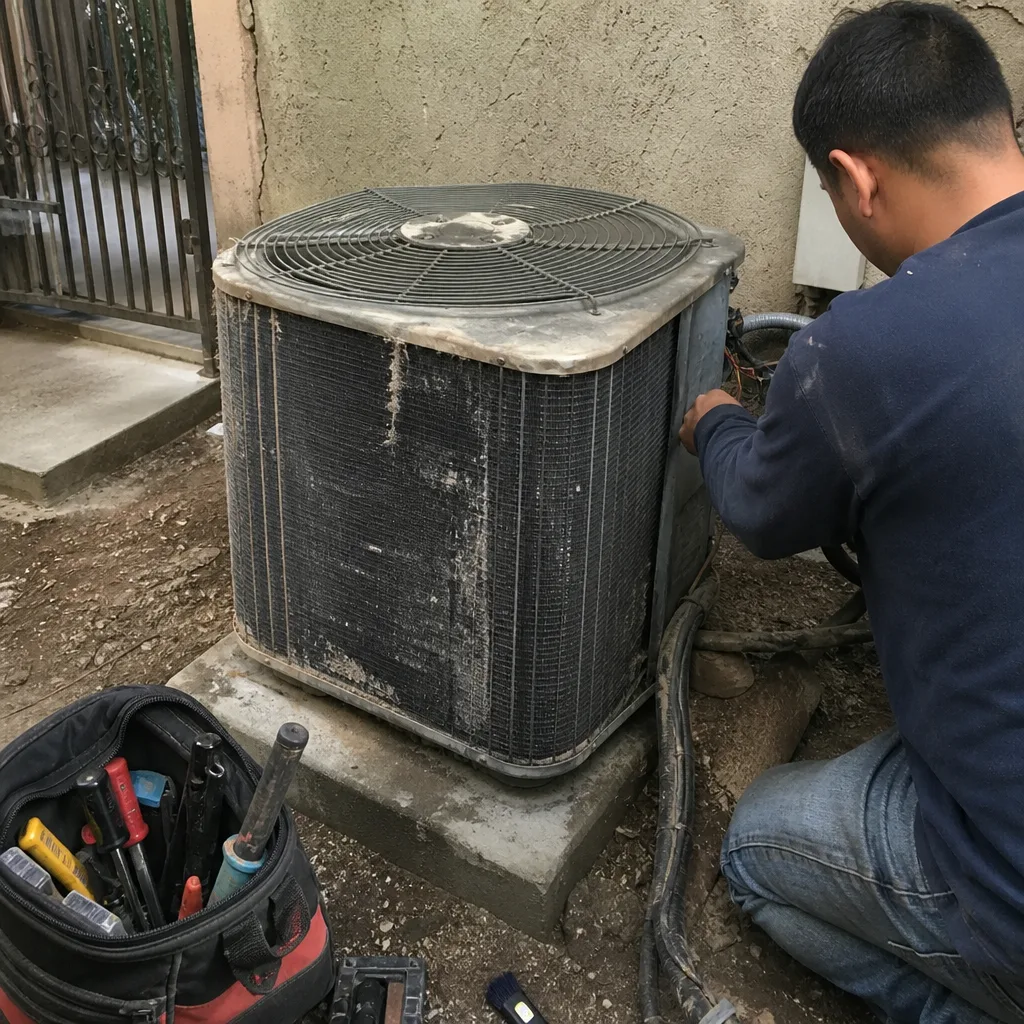 Before
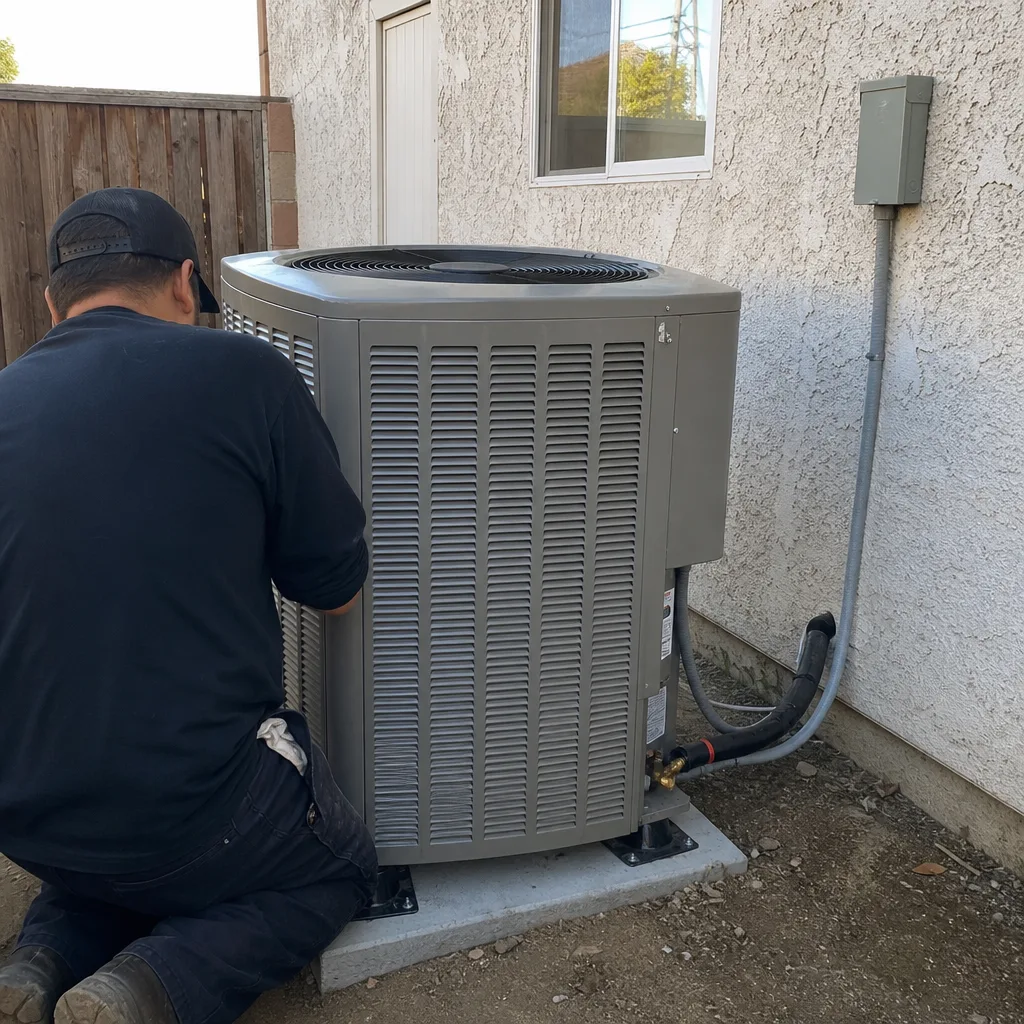 After
After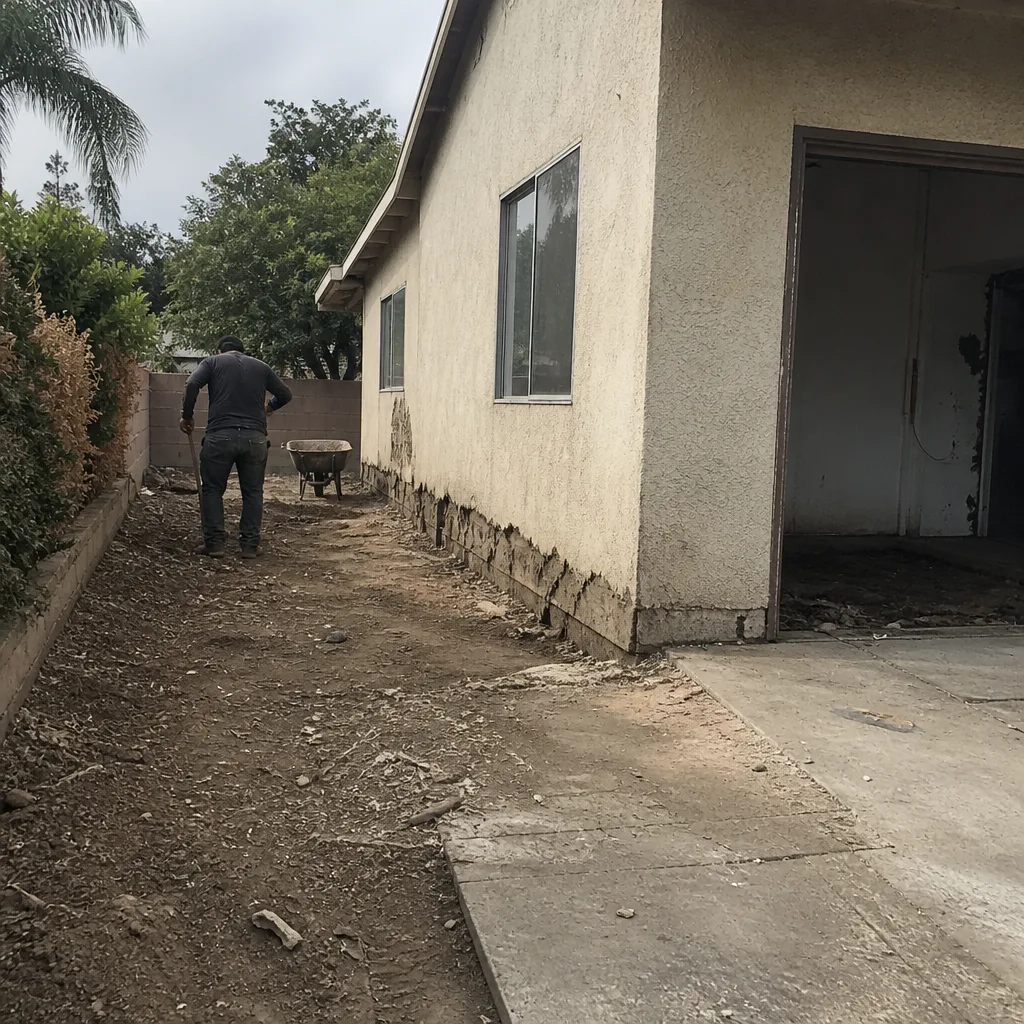 Before
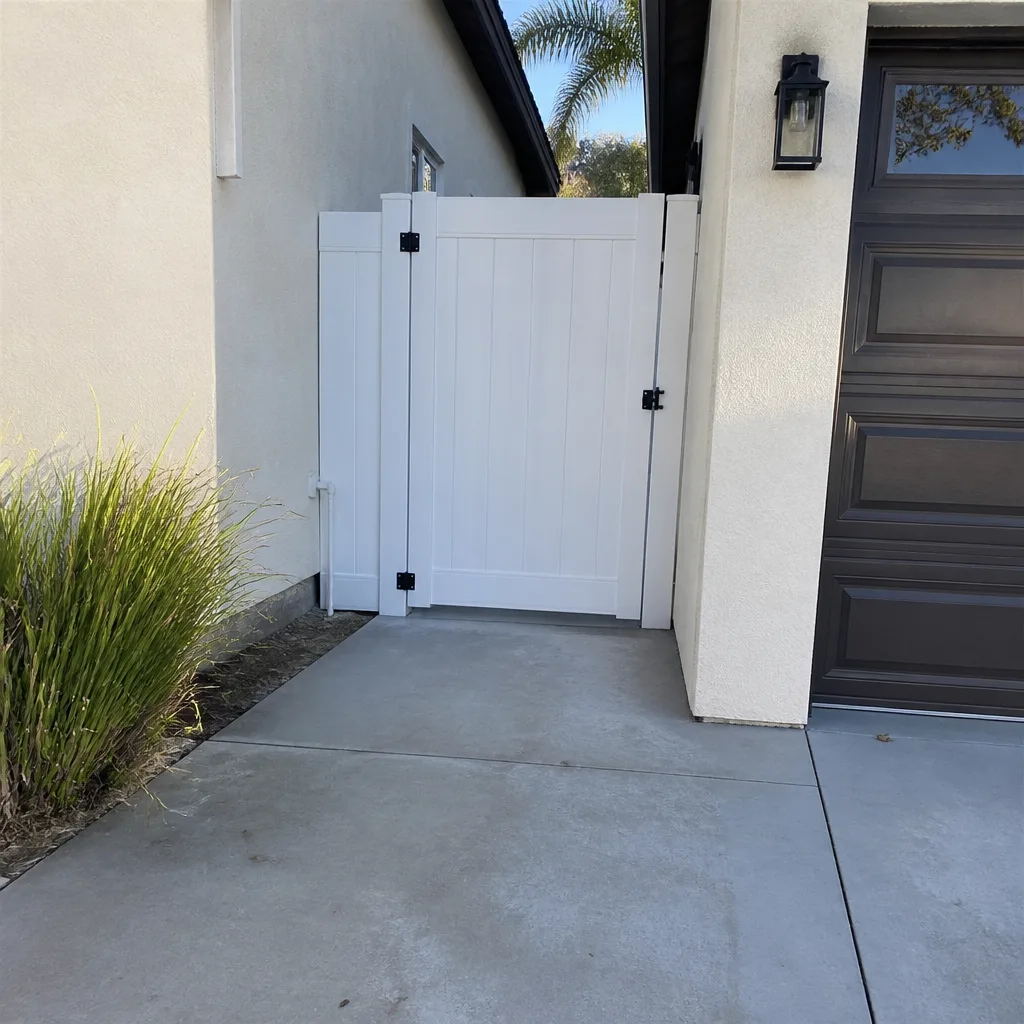 After
After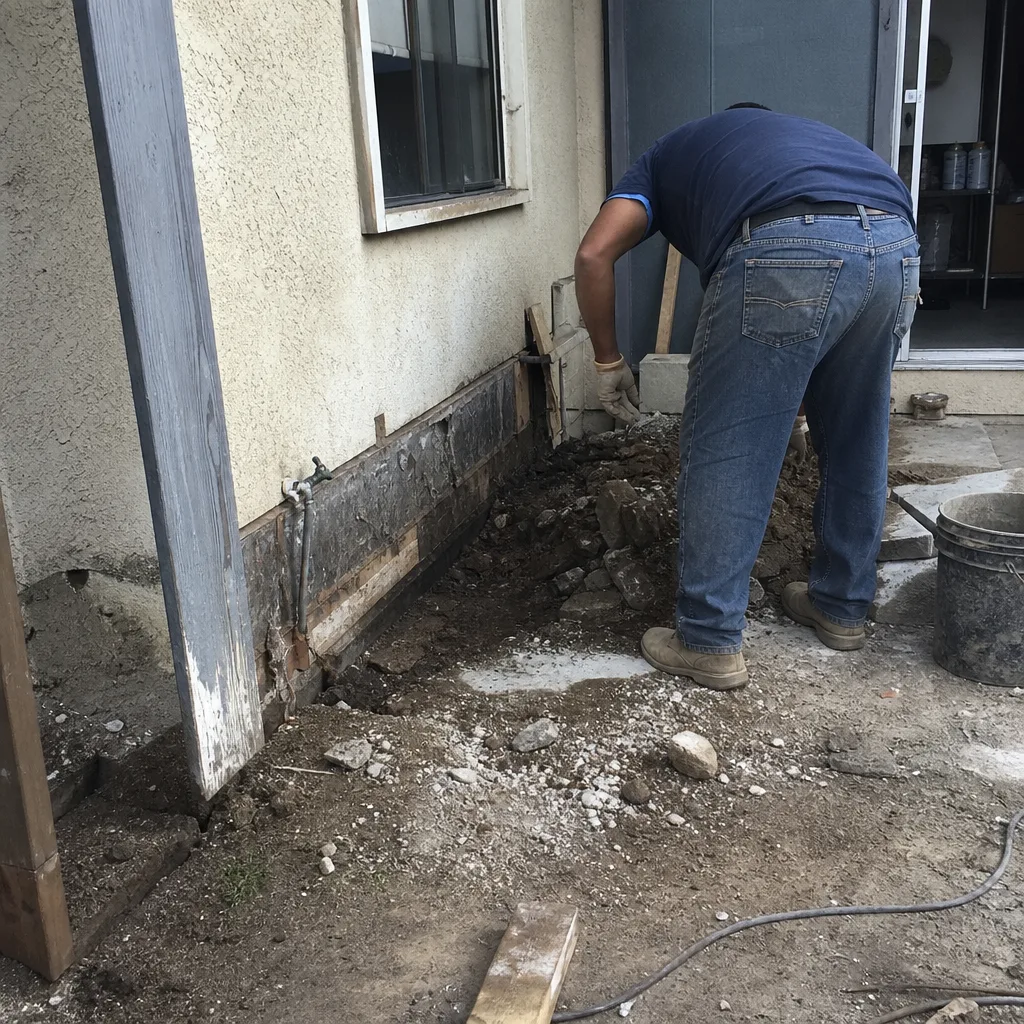 Before
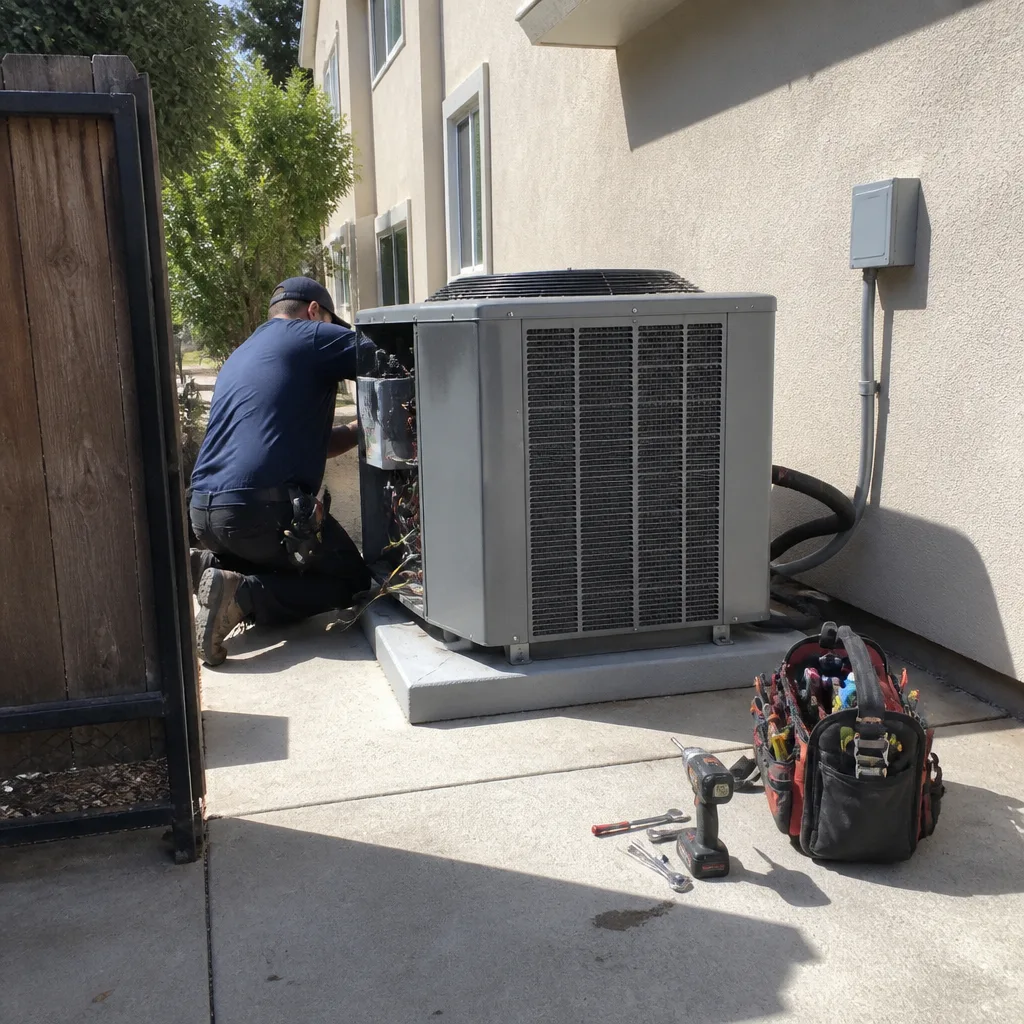 After
AfterWhen to Call a Professional
You need a professional when the project touches structural framing, electrical panels, plumbing supply lines, or anything requiring a permit. You also need one when the scope is big enough that managing it yourself means weeks of coordination you don’t have time for. A kitchen or bathroom remodel, a room addition, or an ADU are all jobs where the contractor’s license, insurance, and warranty matter more than the hourly savings of piecemeal hiring. If you’re pricing a project in Riverside, Penhallow Remodeling Riverside offers free estimates with a written price before any work starts. Call (341) 895-1170 to schedule yours.
Frequently Asked Questions
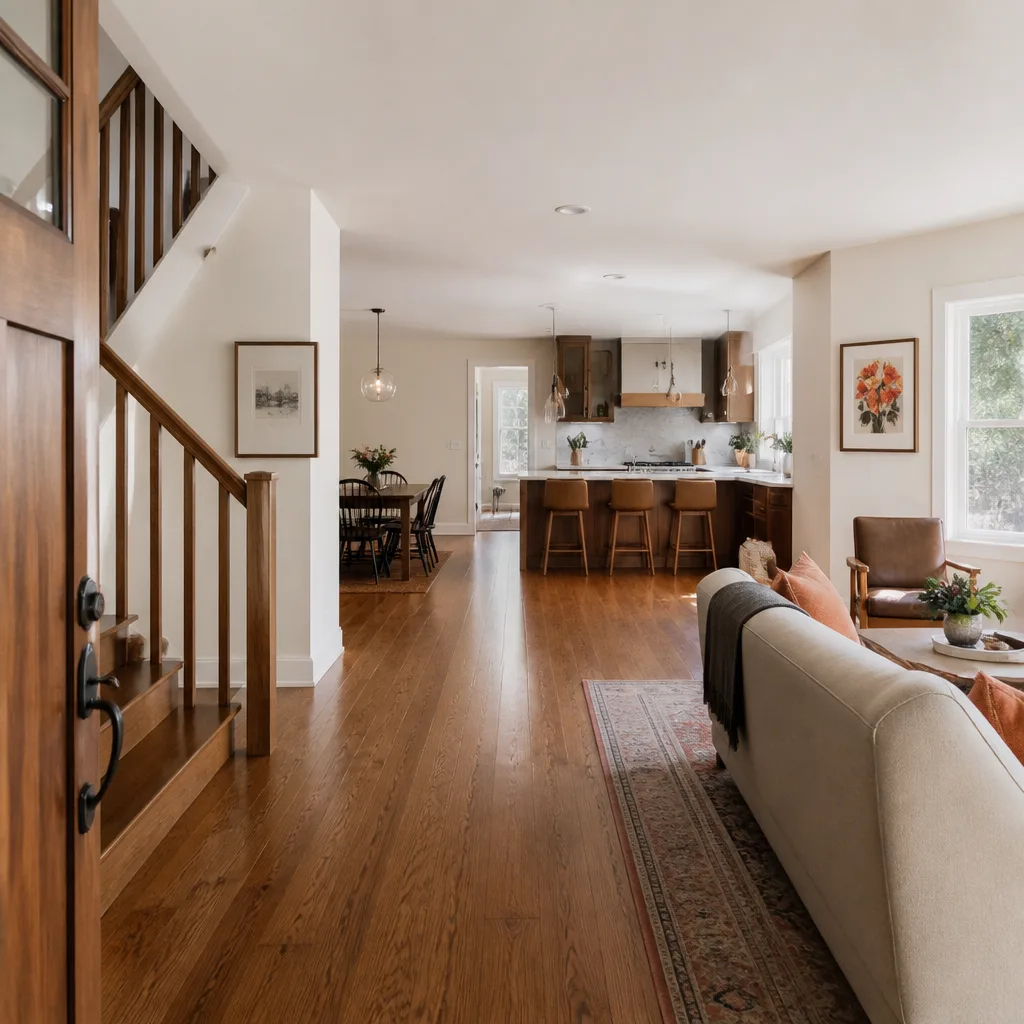
A kitchen remodel in Riverside typically runs $28,000 to $75,000, with most mid-range projects landing between $38,000 and $48,000 depending on cabinet line, countertop material, and whether plumbing or walls move. Title 24 compliance and permit fees add $1,200 – $3,500 on top of what national estimates show. Call (341) 895-1170 for a written estimate on your specific kitchen.
Contractors in Riverside charge roughly $250 – $450 per square foot for remodels and $200 – $350 for new additions in 2026. The range reflects differences in foundation type, existing home condition, finish level, and permit complexity. A simple interior remodel with no structural changes sits at the low end; a kitchen or bathroom with full systems replacement runs the high end.
No. Riverside construction costs are holding steady or rising slightly in 2026, driven by sustained demand for housing in the Inland Empire and stable labor shortages in skilled trades. Concrete and windows remain volatile, while drywall, insulation, and quartz have stabilized. Budgeting for flat or 3 – 5% higher costs is the realistic planning assumption.
They should be, but not all contractors include them. A proper quote itemizes permit fees, plan check fees, and school impact fees separately so you can see exactly what the city charges. If a quote lumps “permits” into a single vague line, ask for the breakdown. The city publishes its fee schedule, and your contractor should be able to show you the math.
Title 24 compliance adds $3,000 to $12,000 to a typical Riverside remodel depending on scope. The costs come from energy modeling, window upgrades, insulation improvements, and mechanical system changes required by current California code. Remodels that don’t touch windows, insulation, or HVAC systems carry the lowest compliance costs.
Renovating is almost always cheaper per square foot than building new in Riverside, but the gap narrows on older homes with significant structural or systems issues. A $40,000 kitchen remodel in a recent home is straightforward; the same remodel in a 1940s house with knob-and-tube wiring and a failing foundation can approach new-construction costs once hidden repairs surface. Get a structural and systems assessment before deciding.
The Bottom Line
Riverside construction costs in 2026 sit in a distinct band: higher than the rural Inland Empire, lower than Los Angeles and Orange County, and consistently above every national average you’ll find online. The local cost drivers are Title 24 compliance, Riverside’s permit structure, IE labor rates, and materials volatility that changes by product category. A kitchen runs $28,000 – $75,000. A bathroom runs $15,000 – $40,000. Additions and ADUs run $200 – $350 per square foot. The best protection against a price that balloons after demo day is a written fixed-price contract with the warranty in writing. That’s the standard in Riverside, and it’s the only way to budget with confidence.
Written by Trevor Nash, Owner at Penhallow Remodeling Riverside, serving Riverside since 2004.