
Free written scope consultation - allowances, timeline, and change-order rules on paper before a single trade is scheduled
Cambria Home Additions & ADU: The Riverside Owner’s Guide
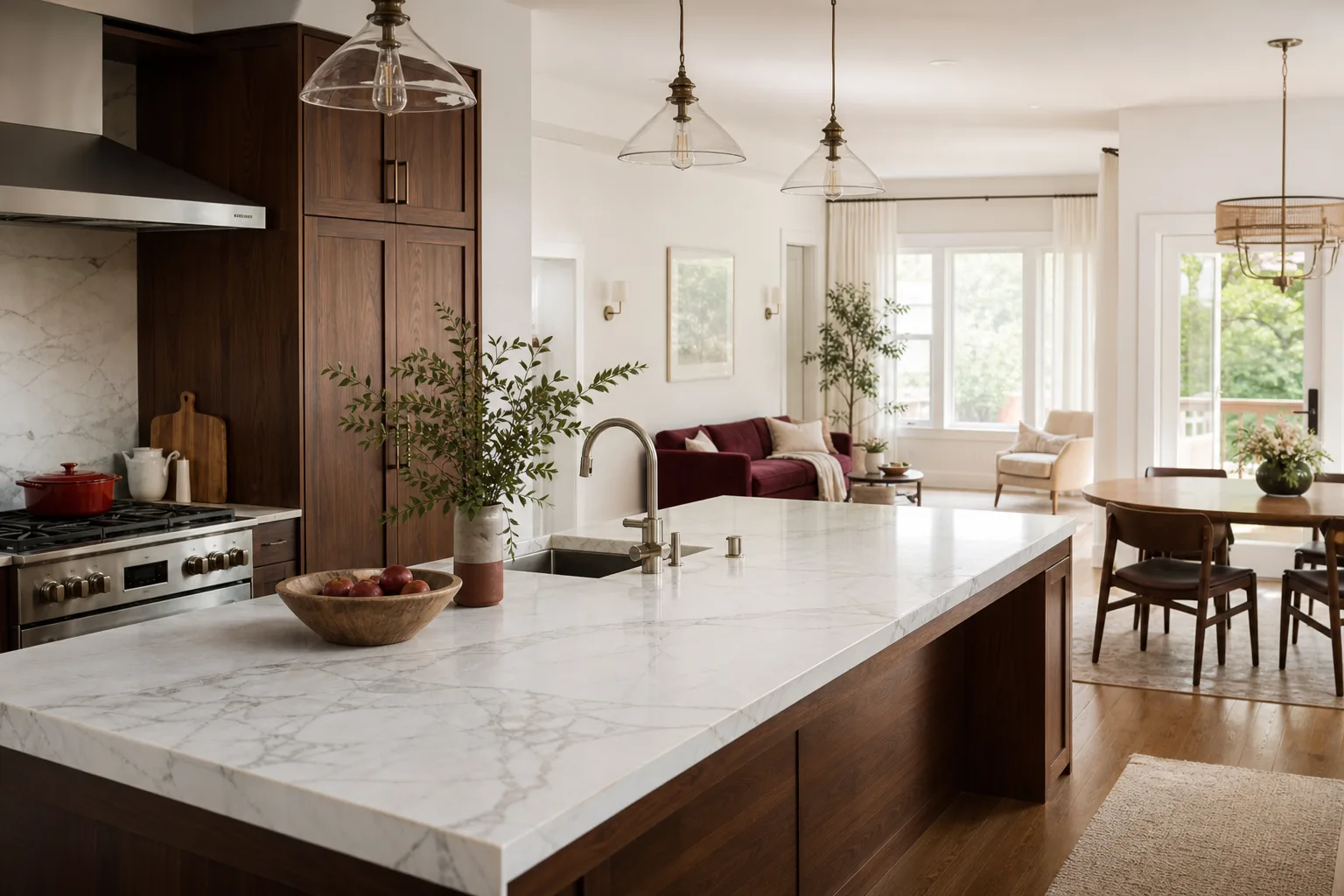
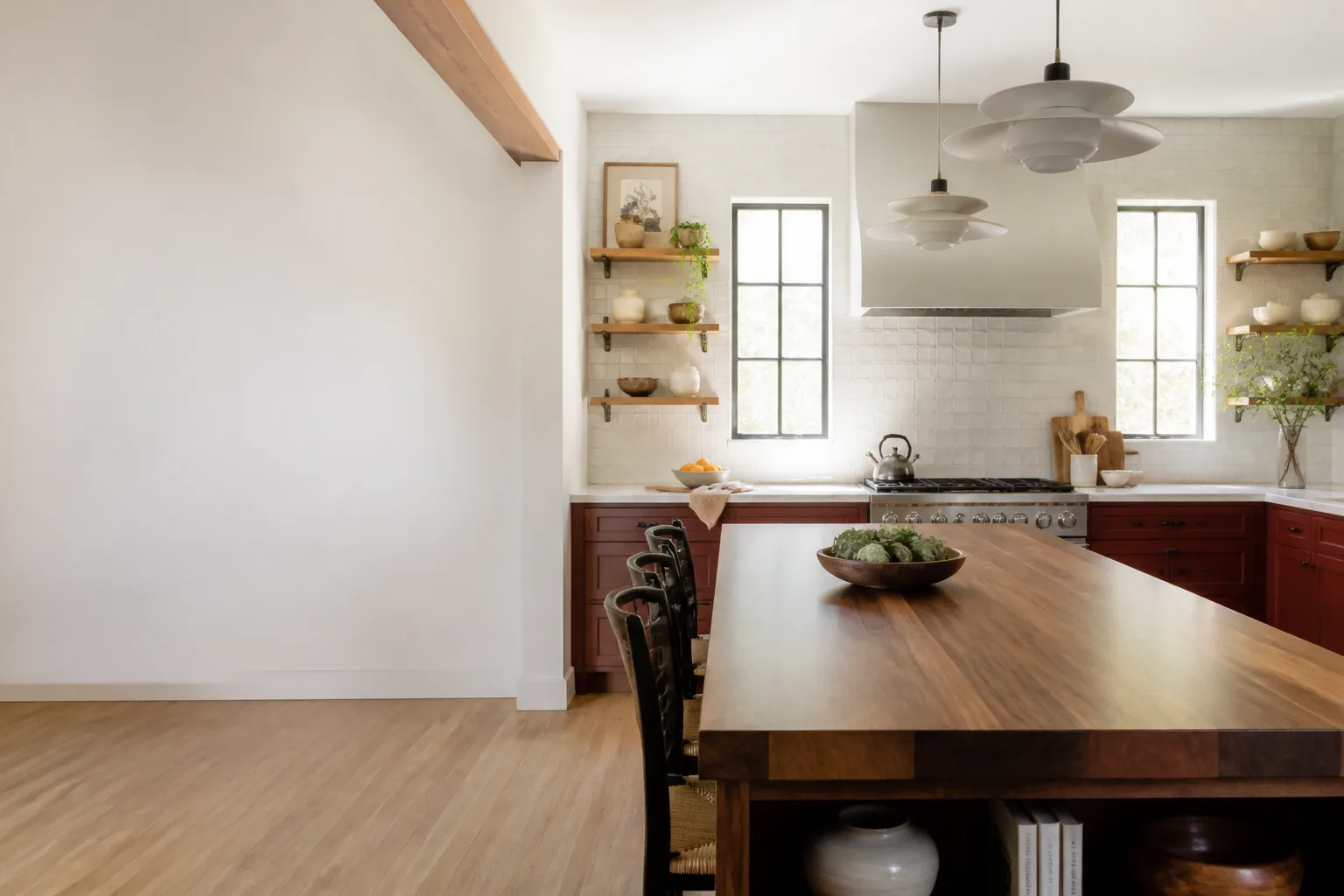
When you’re planning a home addition or ADU in Riverside that includes Cambria quartz surfaces, you’re usually looking at $45,000 to $130,000 for the full project, with Cambria countertops typically running $2,000 to $6,500 of that depending on square footage and profile. We install Cambria in additions and ADUs throughout Riverside, and the most common issue we see isn’t the quartz itself failing; it’s what’s underneath it. Homeowners usually call us after a seam separates, a corner chips, or the substrate beneath the Cambria starts showing signs of moisture damage that nobody caught during the original install.
If your Cambria surface has cracked, separated at a seam, or started sounding hollow when you tap it, you’re in the right place. We’ll walk you through what’s actually wrong, whether it’s repairable, and what an honest fix costs in Riverside.
Key Takeaways
- Cambria quartz itself rarely fails; substrate and seam issues cause most problems.
- Installed replacement cost for Cambria in Riverside: $2,000 – $6,500 depending on size and edge profile.
- Full addition or ADU projects with Cambria included: $45,000 – $130,000.
- We provide a written price before any work starts and a 365-Day Done Right Promise.
Which Cambria Models This Applies To
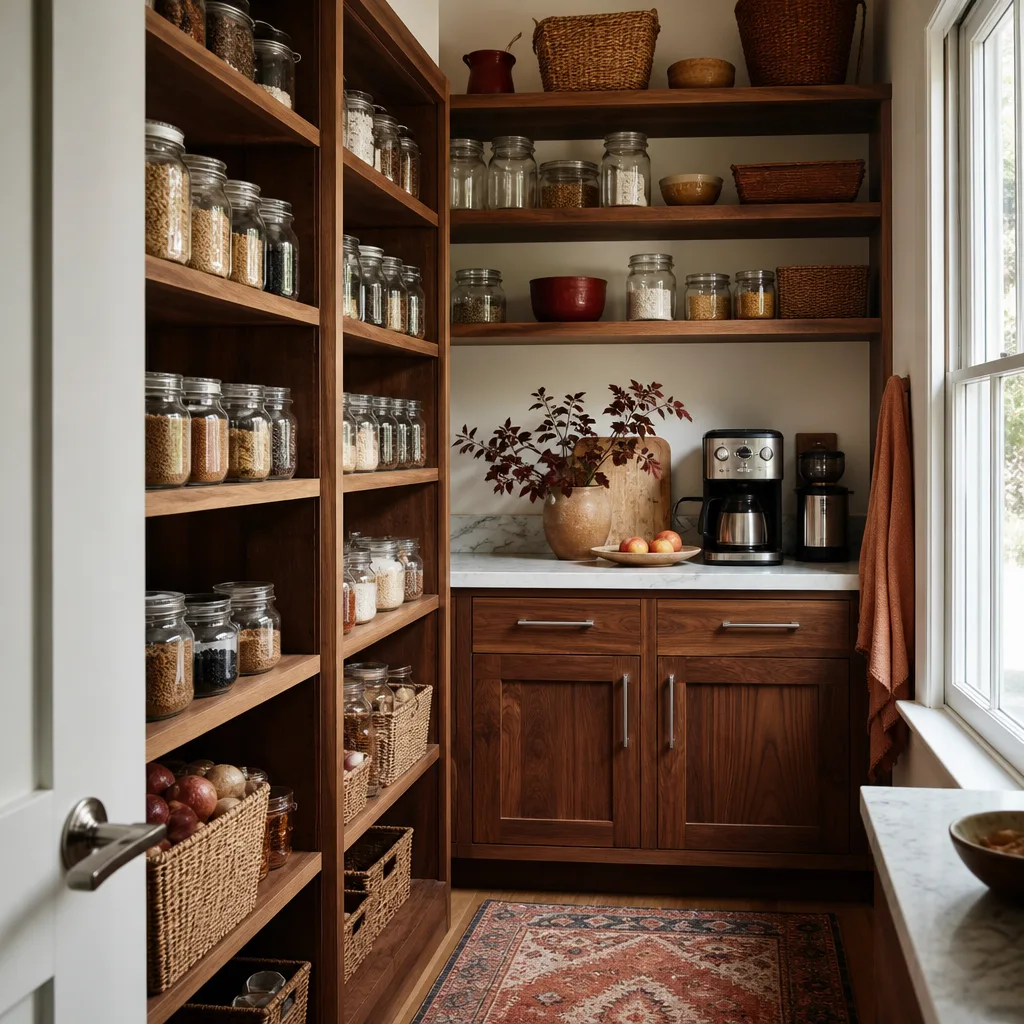
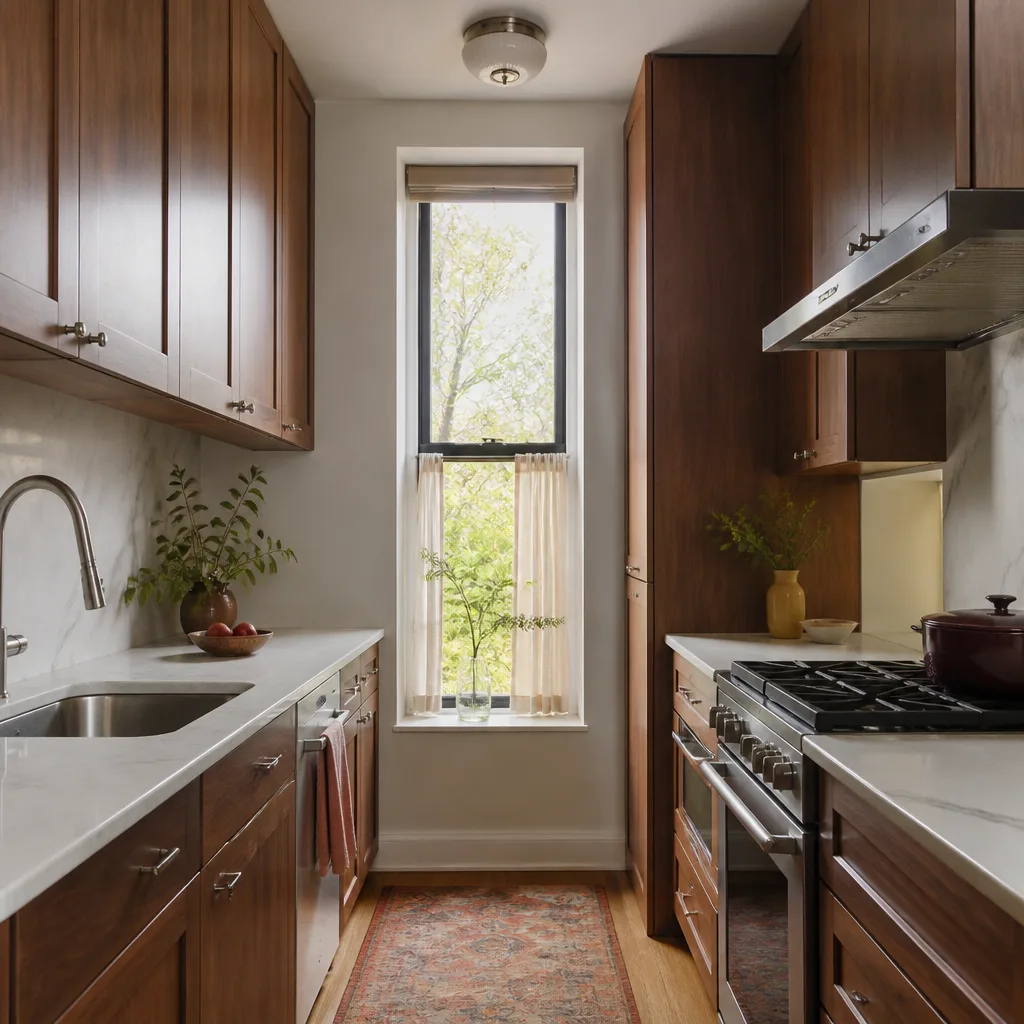
Cambria’s product line is consistent across designs: the same quartz slab material goes into everything from their standard 2cm and 3cm panels to custom edge profiles. What changes is thickness, finish, and where it’s installed. Cambria slabs come in two thicknesses: 2cm and 3cm. The 3cm is what we recommend for kitchen island overhangs and bar tops in Riverside additions because it doesn’t need a plywood underlayment for support. The 2cm is fine for perimeter counters but needs that extra substrate layer.
The compatibility gotcha most homeowners miss: Cambria’s matte and high-gloss finishes behave differently at seams. Matte finishes show seam adhesive more readily, so a sloppy seam job stands out. High-gloss hides minor seam variations but scratches are more visible. If your Cambria is a darker design like Blackwood or Charlestown, the veining pattern matters too; seams need to be cut along the natural flow or the eye catches them from across the room.
For identification: look for Cambria’s product label on the underside of your slab or the edge of a leftover piece. Each design has a registered name, and that’s what we match when we source a replacement panel. If the label is gone, we can identify the design from photos or a small cutout. One more thing: Cambria offers a lifetime warranty to the original owner, but only if the install was done by a certified fabricator. If your original install wasn’t, that warranty may not transfer, and we’ll be honest about whether a repair or replacement is the smarter money.
We’re an independent remodeling contractor in Riverside, not a Cambria factory representative. That means when you call us, we’re not trying to protect a manufacturer’s position; we’re telling you what’s actually broke and what it actually costs to fix.
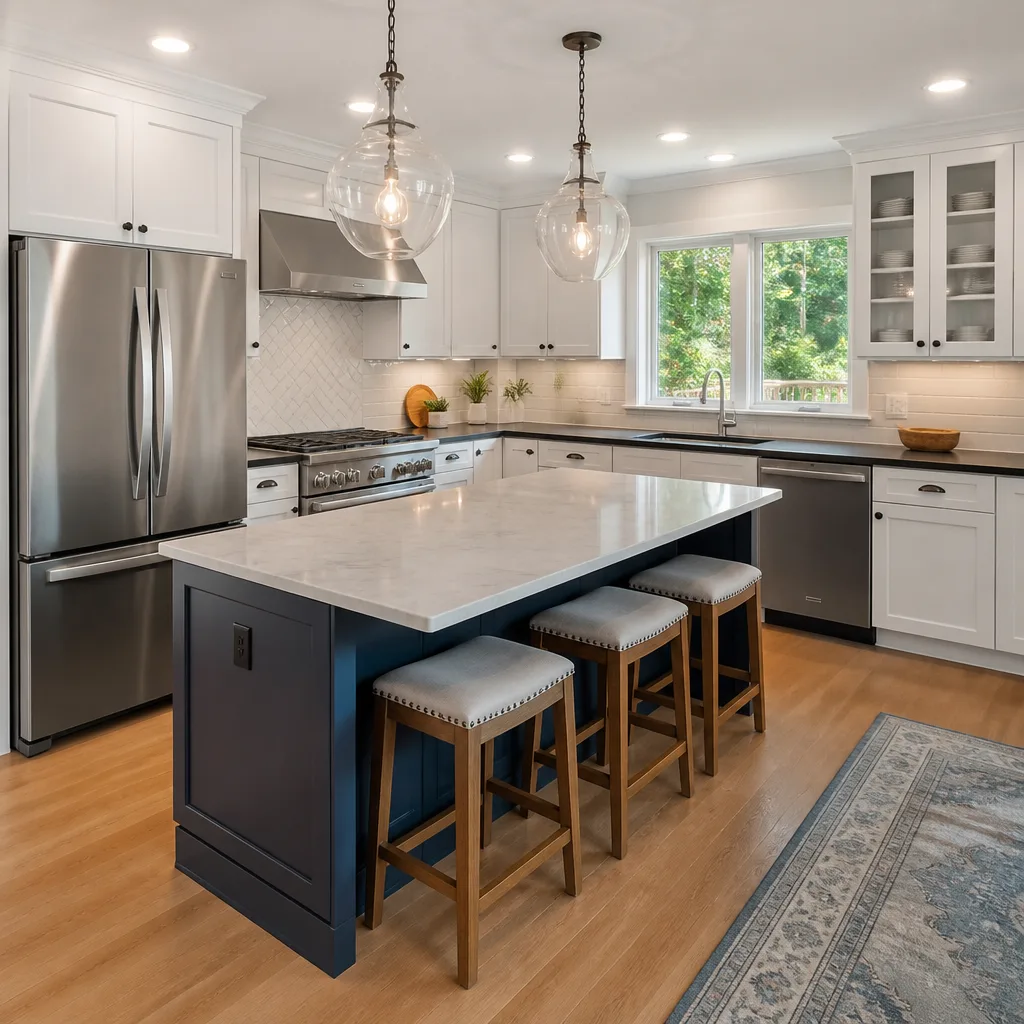
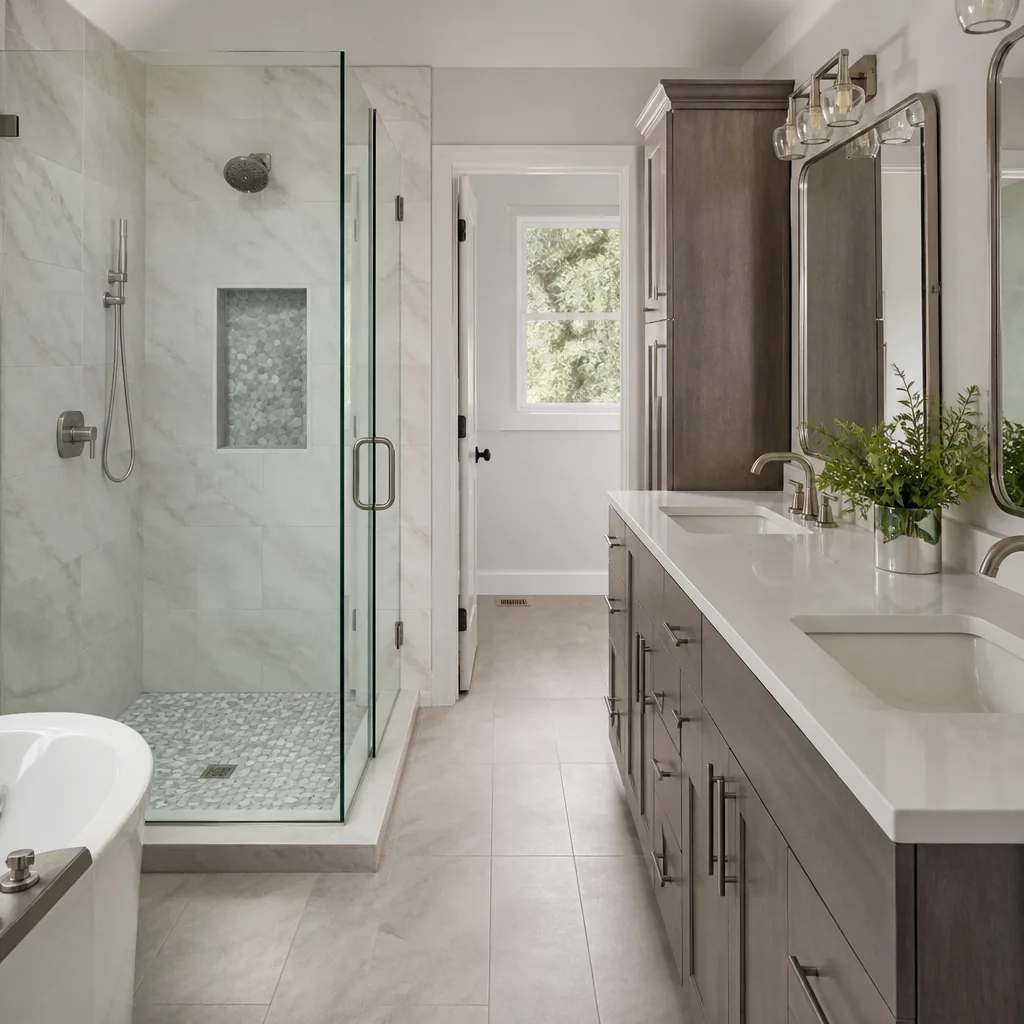
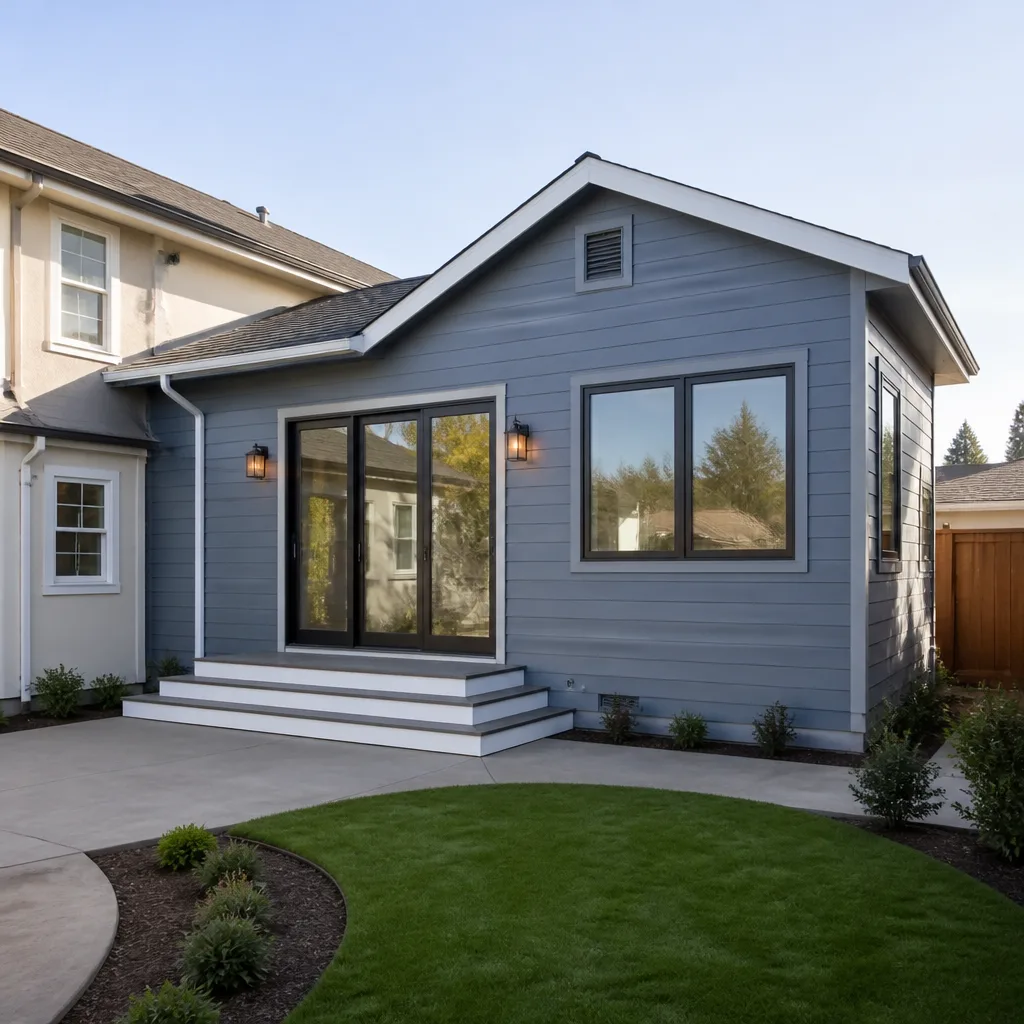
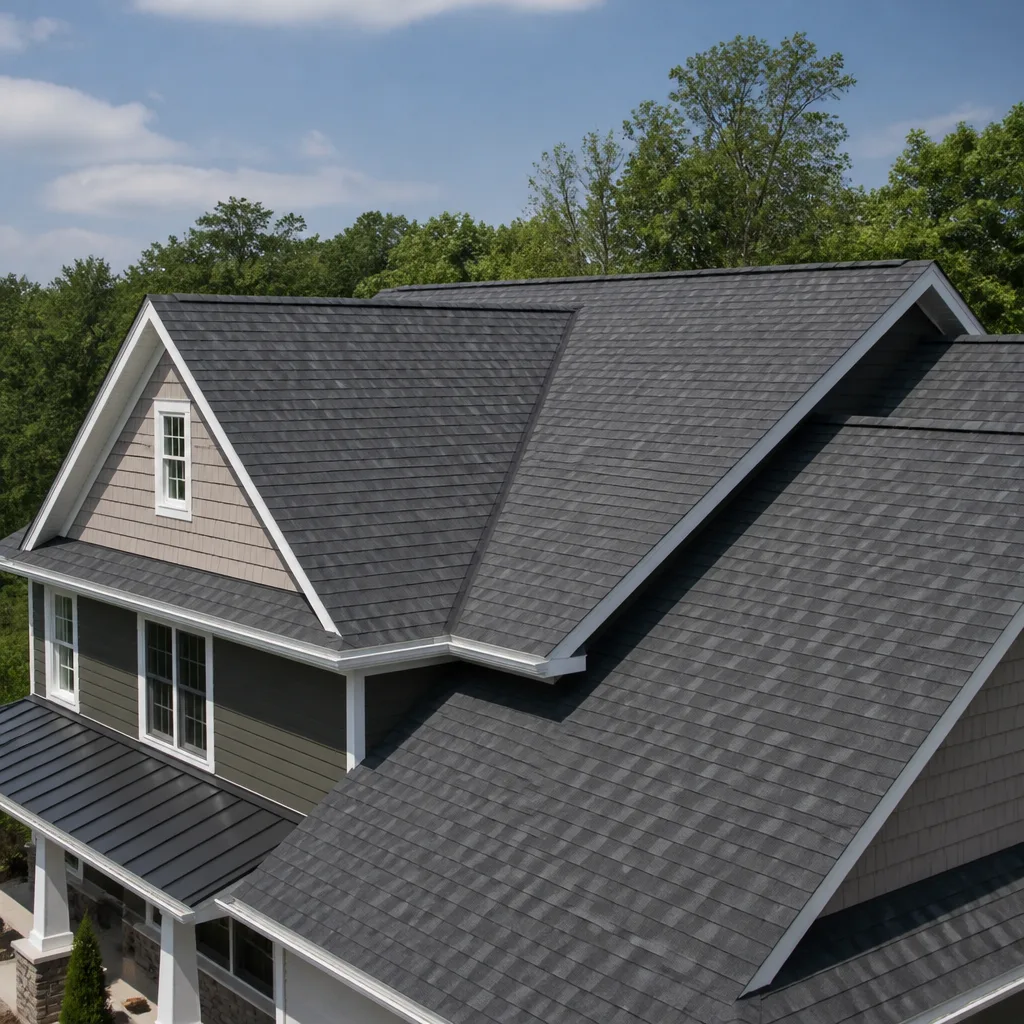
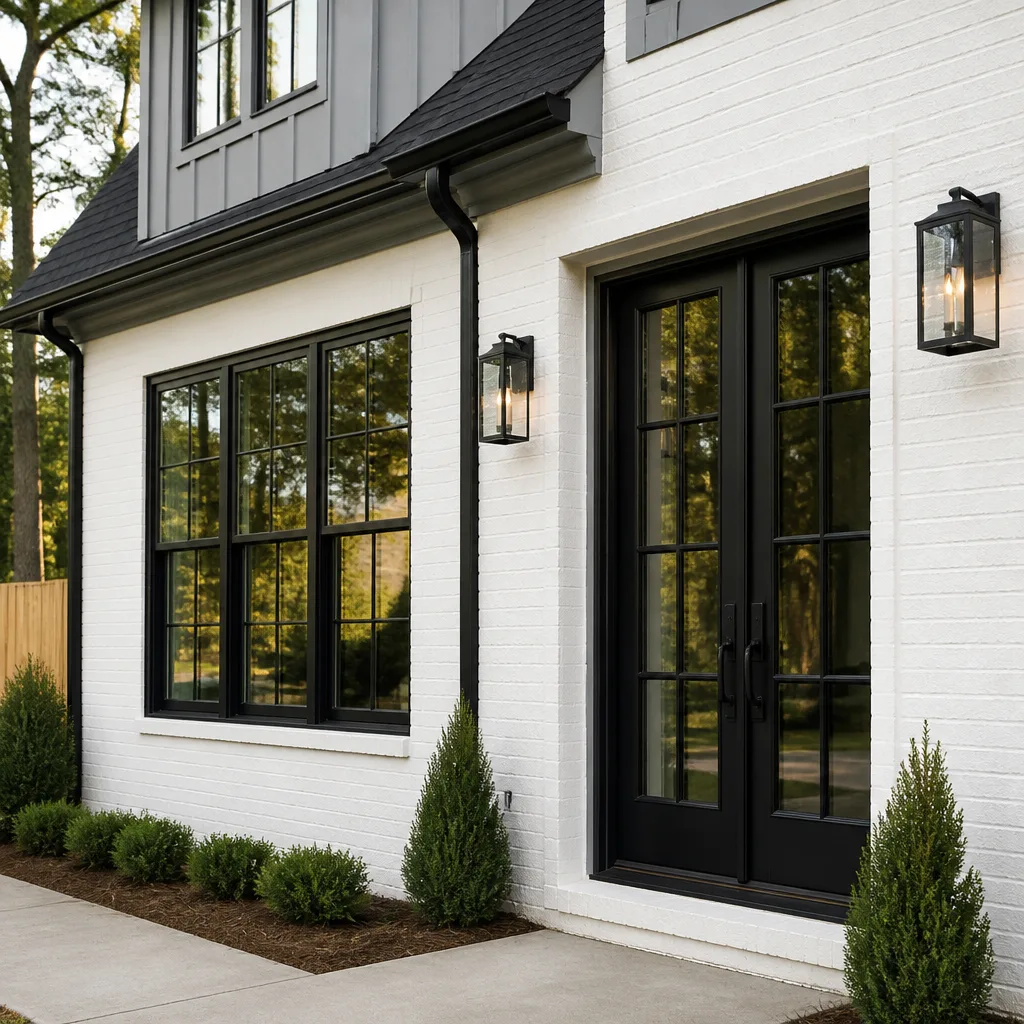
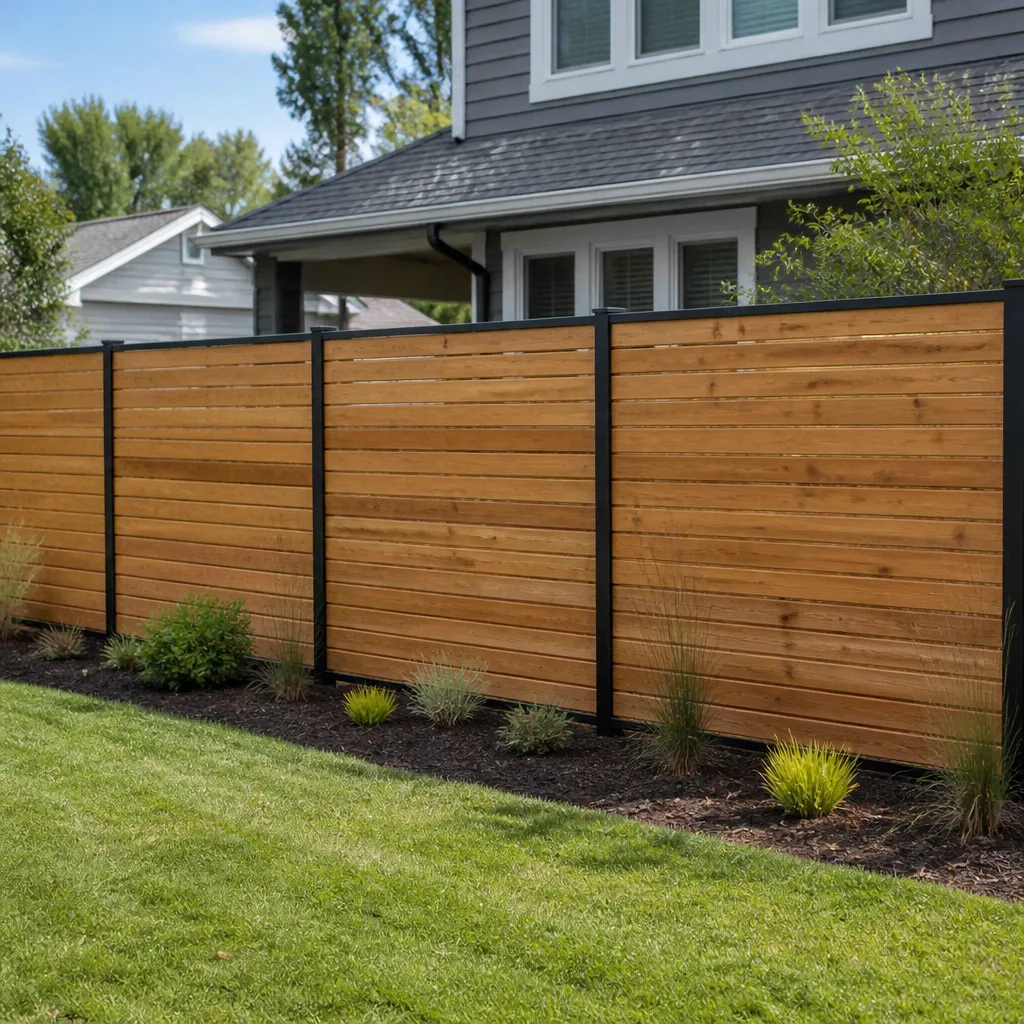
Styles & brands we work with
Signs Your Cambria Home Additions & ADU Is Failing
- Seam separation at the joint. This is the most common failure we see in Riverside, especially in newer additions where the house settles in the first two years. The seam adhesive loses bond because the substrate shifted slightly. It’s almost always fixable without replacing the whole slab.
- A hollow sound when you tap the surface. That means the cement board substrate or adhesive bed underneath has separated from the slab. Moisture usually got in through an unsealed edge or a failed caulk line at the backsplash.
- A hairline crack running from the sink cutout or cooktop opening. This is classic for over-tightened mounting clips or an unsupported span. In Riverside ADUs, we often see this when a handyman didn’t build out the cabinet framing to carry the slab’s weight correctly.
- Cloudy or etched spots that won’t clean off. Cambria is non-porous and doesn’t etch like marble, so this usually means a previous cleaning product damaged the finish, or a hot pan was set directly on the surface against Cambria’s care guidelines.
- Corners chipped at a traffic edge. Hallway-facing counter corners in ADU kitchenettes take abuse. The chip itself isn’t structural, but if it’s near a seam, water can work into the joint and make the problem worse over time.
See the difference
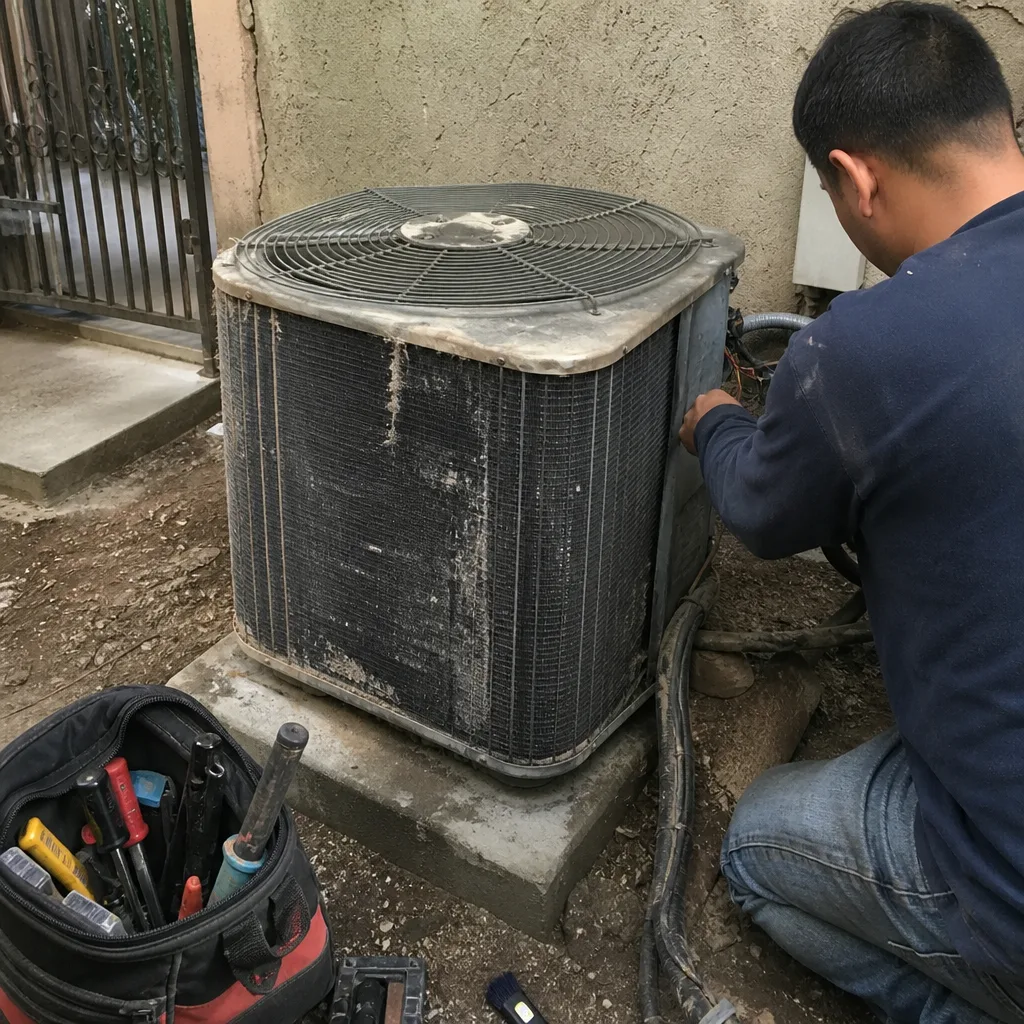 Before
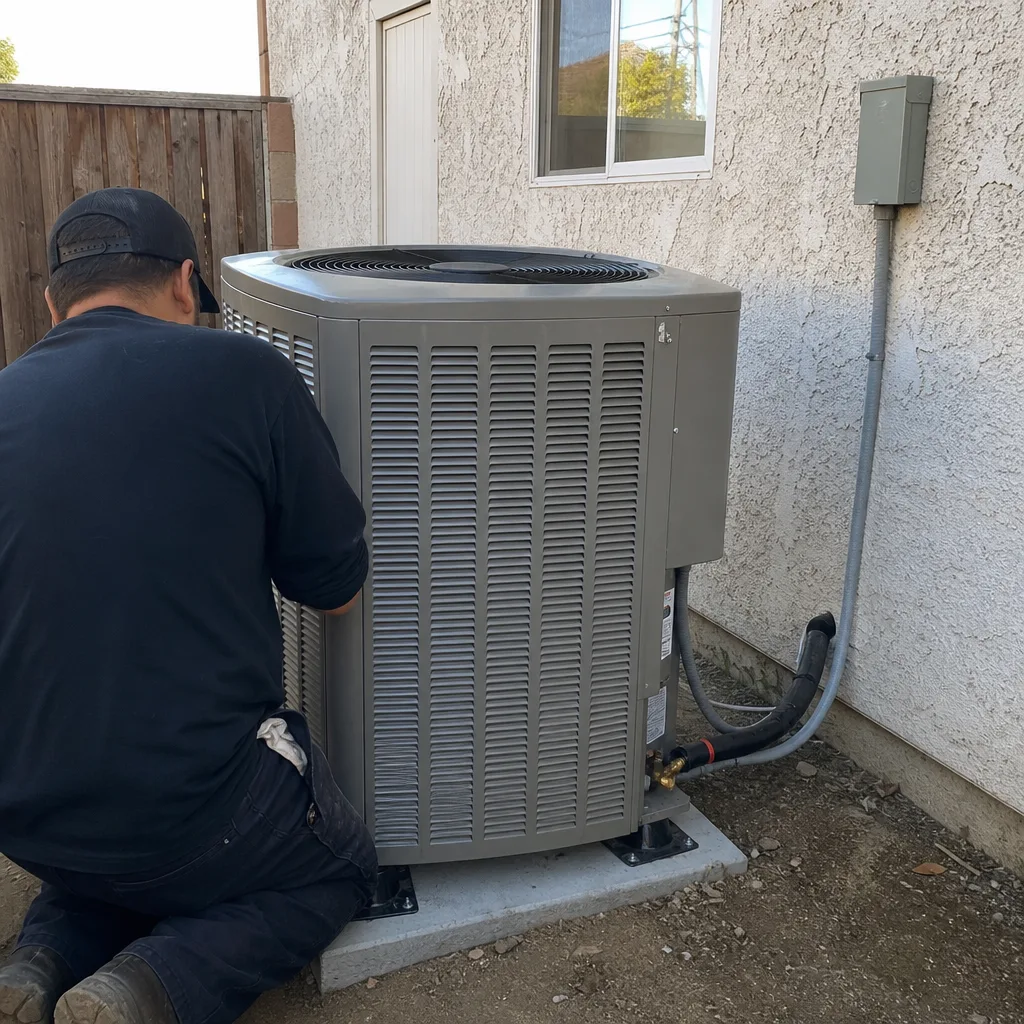 After
After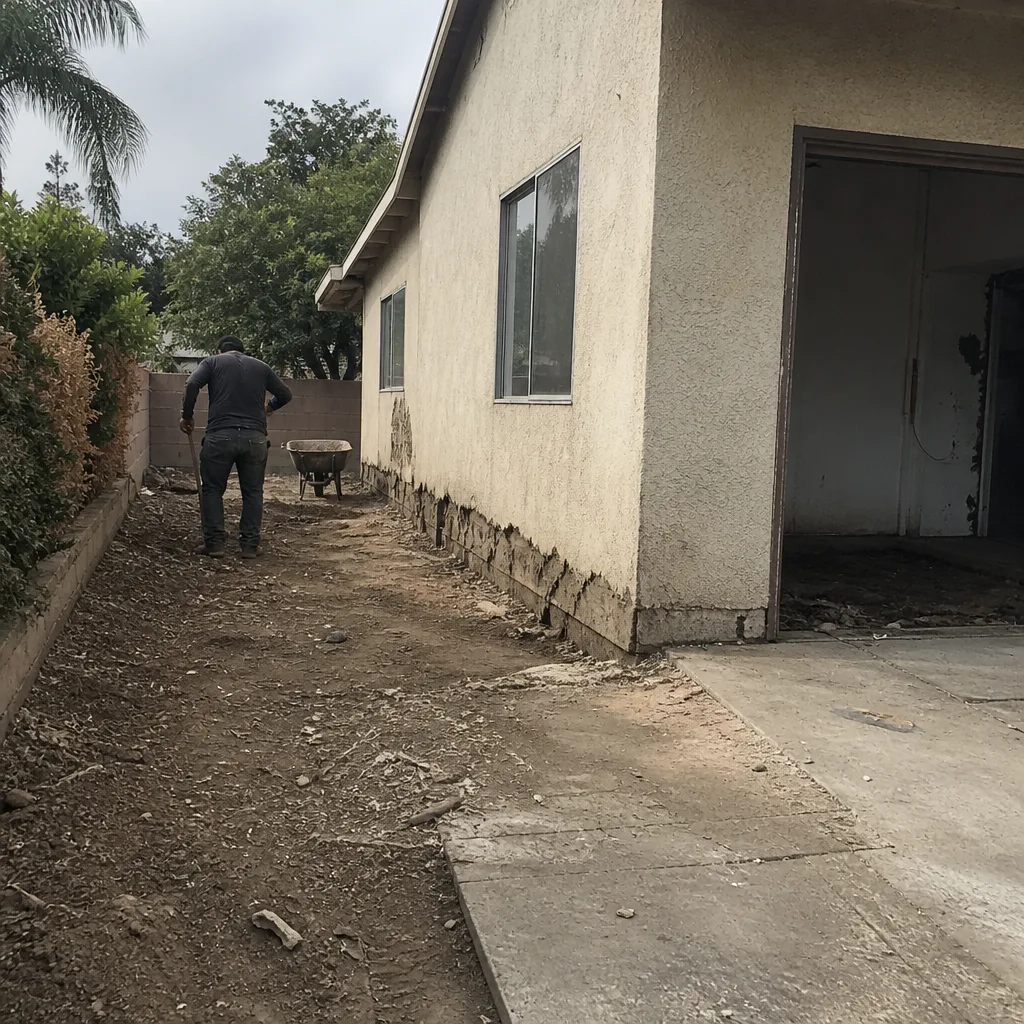 Before
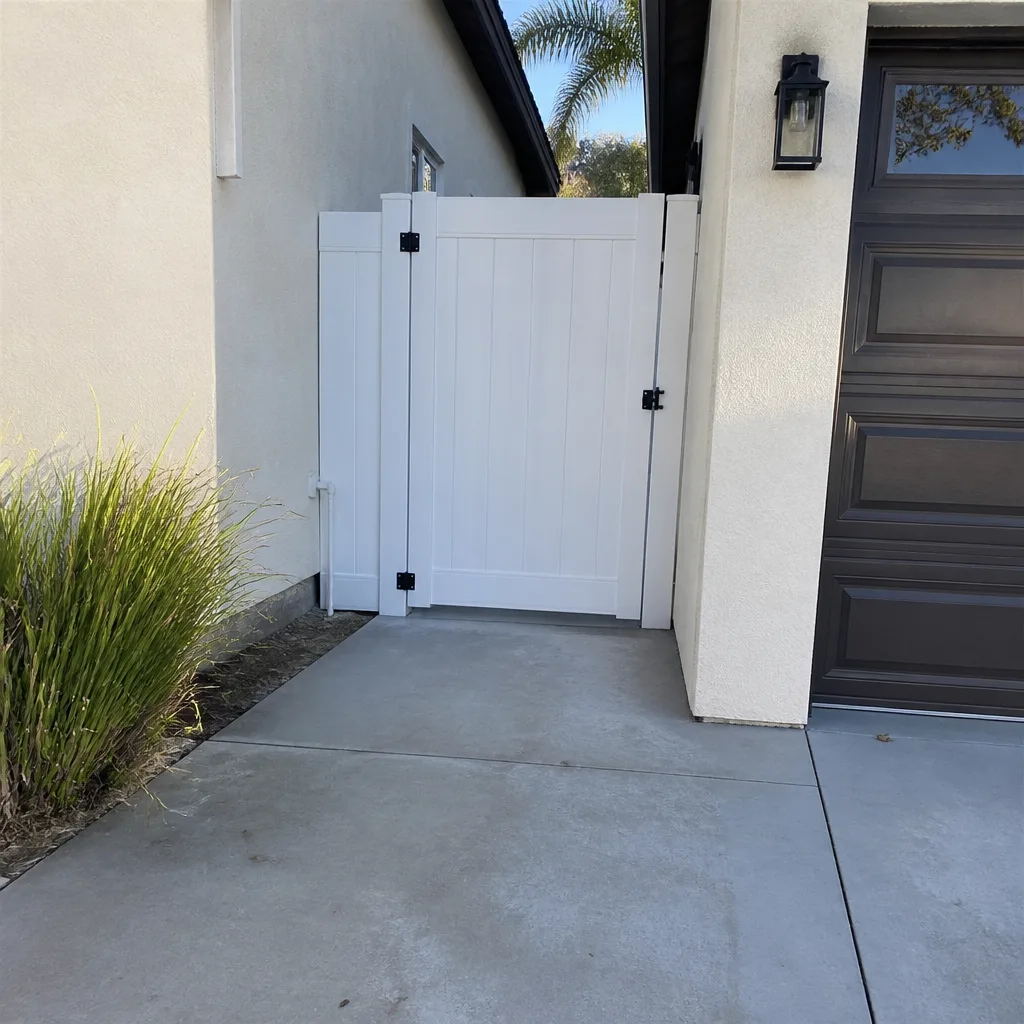 After
After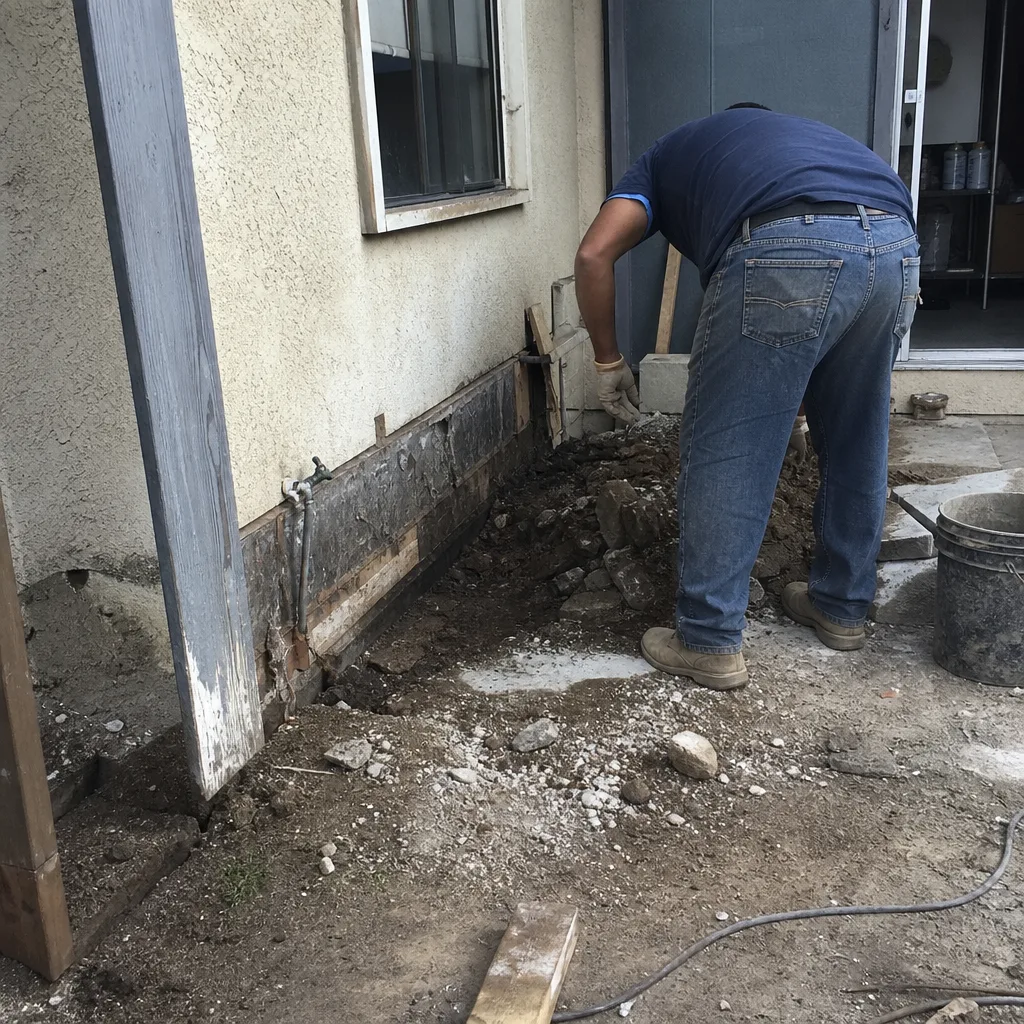 Before
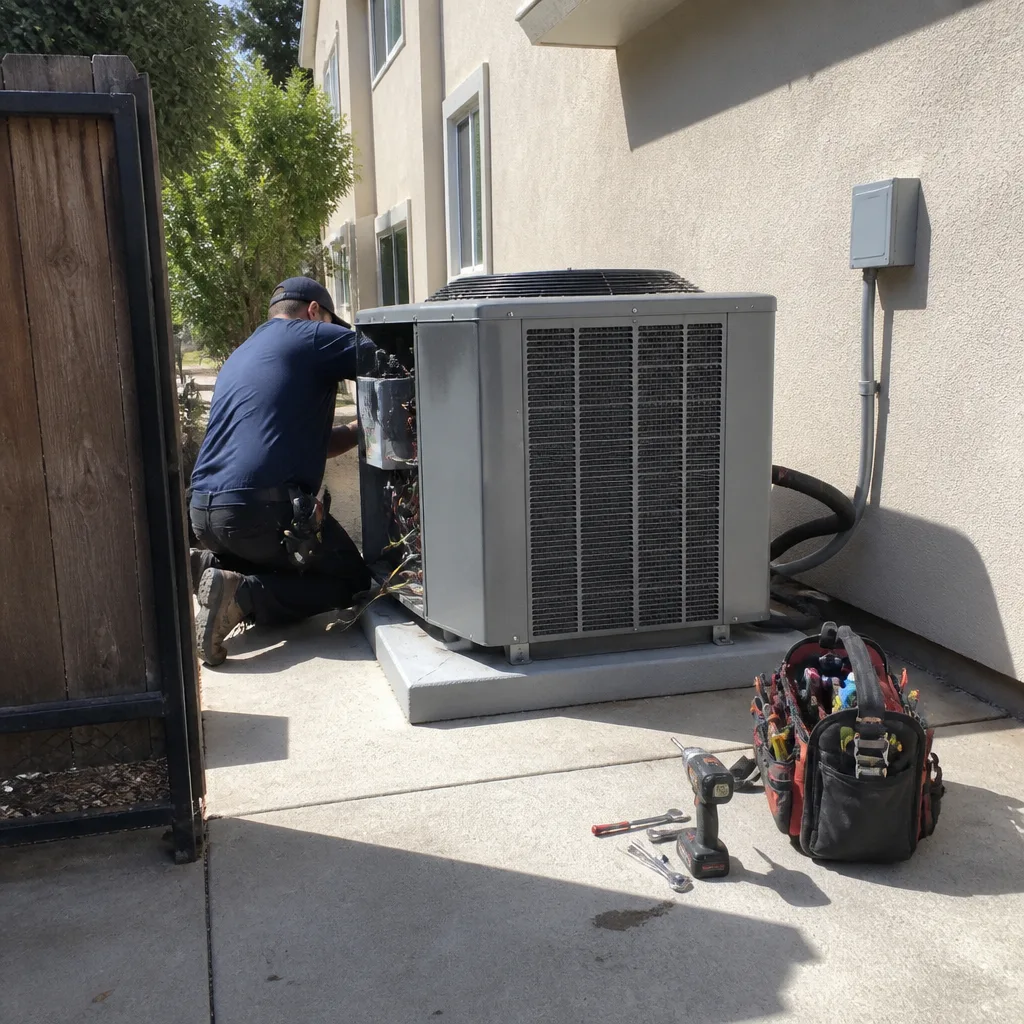 After
AfterReplacement Cost & What’s Included
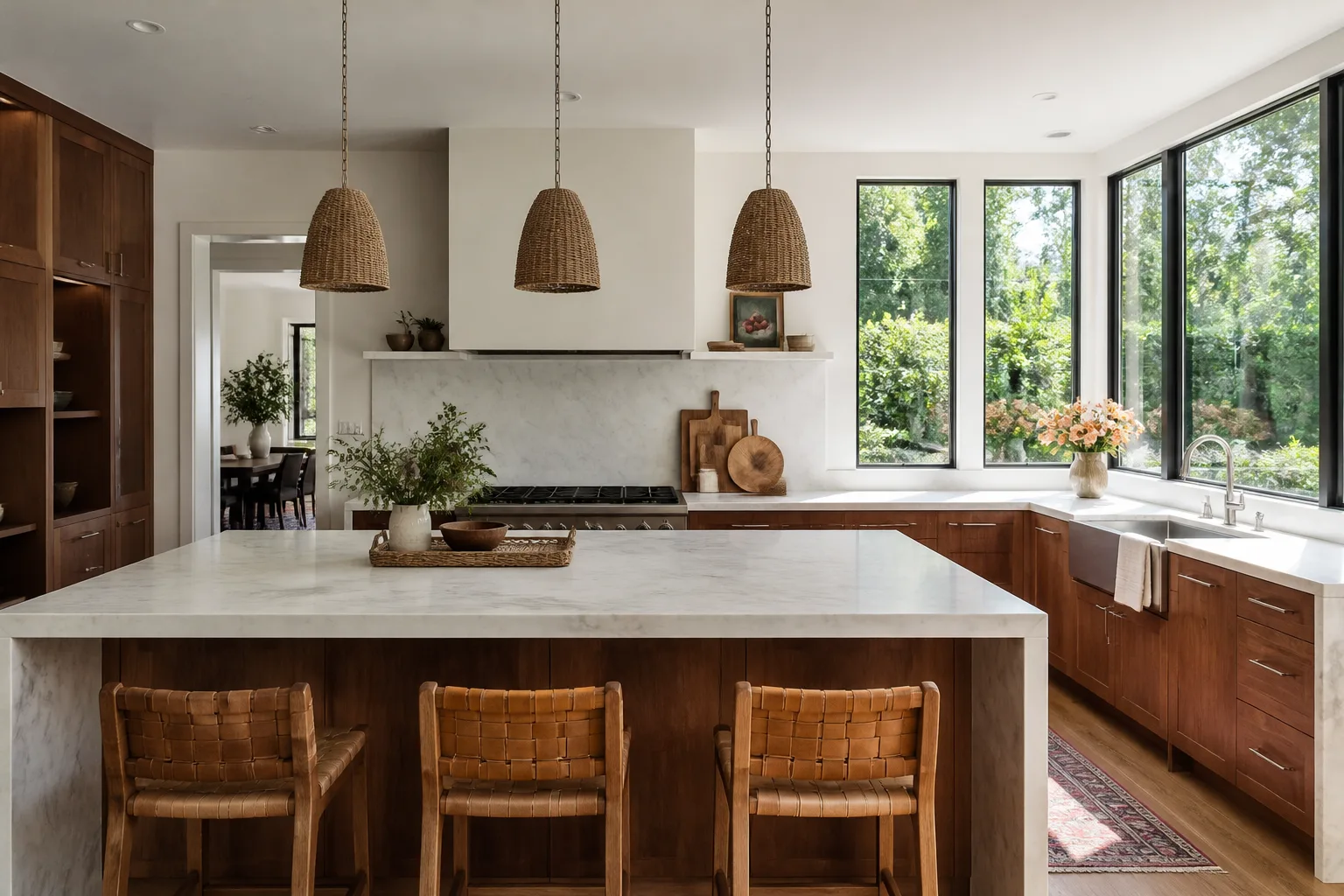
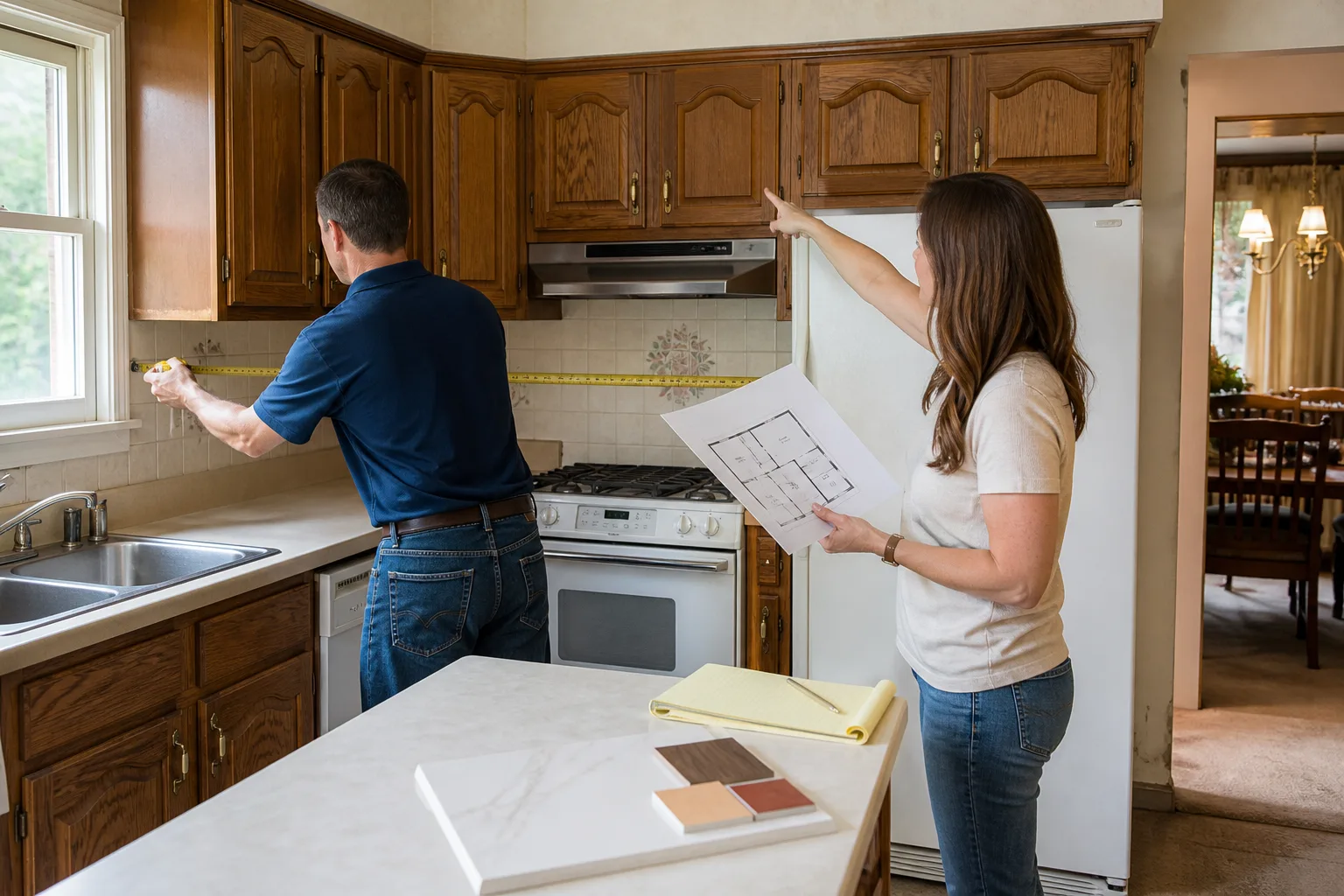
In Riverside, a Cambria replacement in an addition or ADU runs $2,000 to $6,500 installed, depending on slab square footage, edge profile, and whether the old substrate can be reused or needs rebuilding. The higher end usually means a large island with a waterfall edge, a 3cm slab, or a design with heavy veining that creates more material waste at fabrication. A smaller perimeter counter with a standard eased edge stays on the lower end.
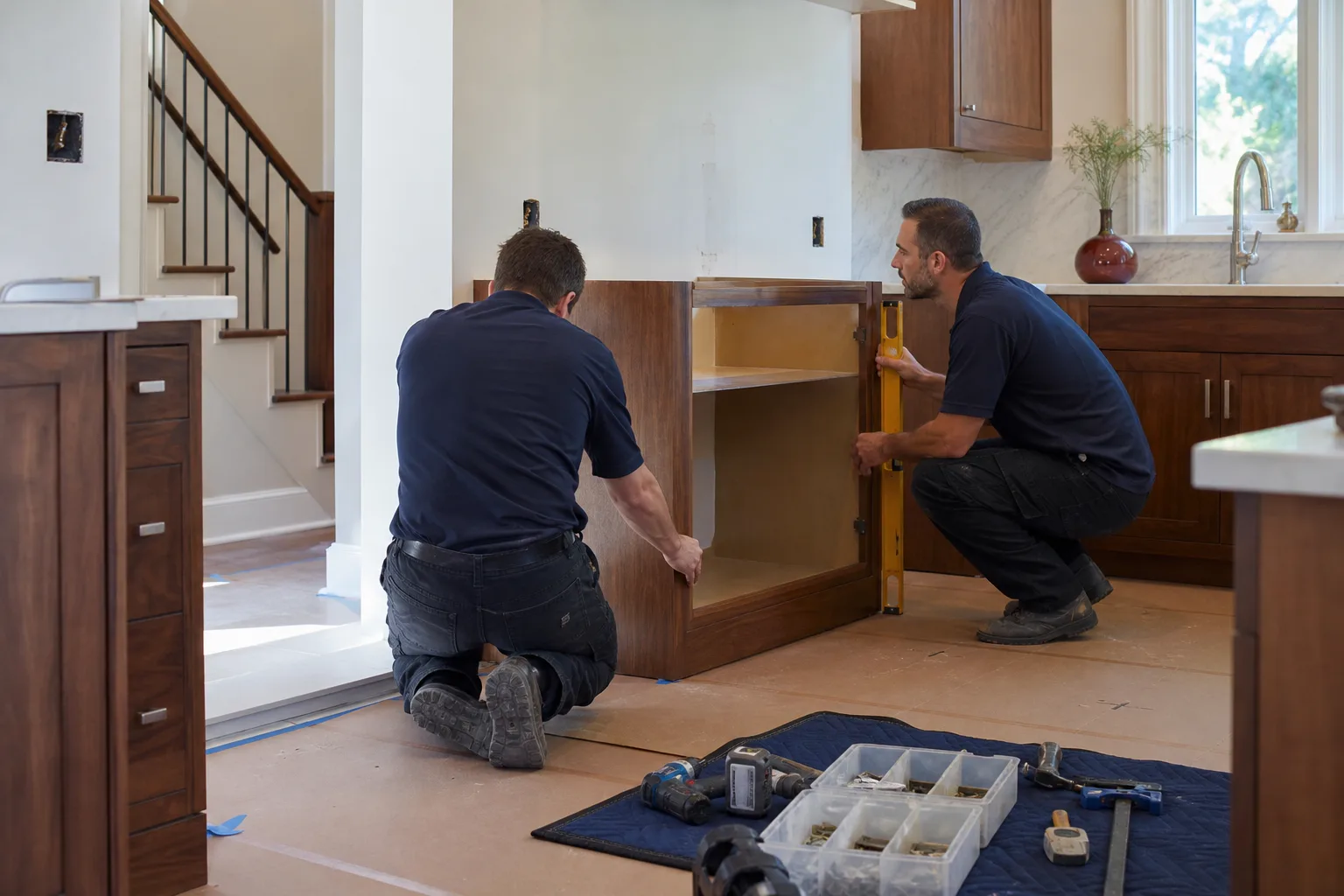
What’s included in our price: template and measurement, fabrication, slab material, tear-out of the old surface, substrate inspection and repair if needed, install, and a written guarantee. That last part matters. Trevor Nash’s crew doesn’t leave a Riverside job without the substrate checked; if there’s water damage underneath, that gets addressed before the new Cambria goes down, or the new slab won’t last.
We write the price before work starts, and that number doesn’t float. If we open up the substrate and find hidden water damage, we stop, show you what we found, and give you a written change order before another dollar is spent. No surprises at the end.
DIY or Call Us?
Here’s the honest split. You can clean your Cambria with warm water and a mild soap, inspect your caulk lines at the backsplash and sink, and check that the cabinet doors beneath the counter open and close without catching. Those are safe, useful things to do before you call.
What you shouldn’t do is attempt a seam re-glue with hardware-store adhesive. Cambria seams need color-matched, UV-stable adhesive applied at the right temperature and clamped at the right pressure. A bad DIY seam repair leaves a ridge you’ll feel every time you wipe the counter, and it makes the eventual professional fix more expensive because we have to grind out the mess first.
If the slab has cracked near a sink cutout, that’s a structural failure of the support beneath it. That’s not a glue job. Call us at (341) 895-1170 and we’ll come out, look at it, and tell you if it’s a repair or a replacement. Give you a number before we pick up a tool, that’s just how this works.
FAQs
Cambria quartz is warrantied for life to the original owner, and with proper substrate support and sealed seams, it should outlast the house around it. The real variable in Riverside is the substrate and seams, not the slab. Call (341) 895-1170 if you think your Cambria wasn’t installed correctly.
Hairline cracks away from seams and cutouts can sometimes be filled with color-matched adhesive and made nearly invisible; cracks radiating from a sink or cooktop opening almost always mean the slab needs replacement because the underlying support failed. We’ll tell you which one you’re looking at when we see it.
A seam repair is usually a single visit of two to three hours. A full slab replacement typically takes two to three weeks from measurement to install because the slab has to be templated and fabricated. We’ll give you a written schedule before we start.
Cambria slabs are fabricated to order, so no one stocks finished slabs on a truck. What we do stock is the seam adhesive, color-matched repair compounds, and substrate materials needed for the most common Cambria repairs in Riverside additions and ADUs. We also work with KraftMaid, Silestone, and Kohler when a project needs more than the countertop.
Written by Trevor Nash, Owner, Penhallow Remodeling Riverside at Penhallow Remodeling Riverside, serving Riverside and nearby areas.