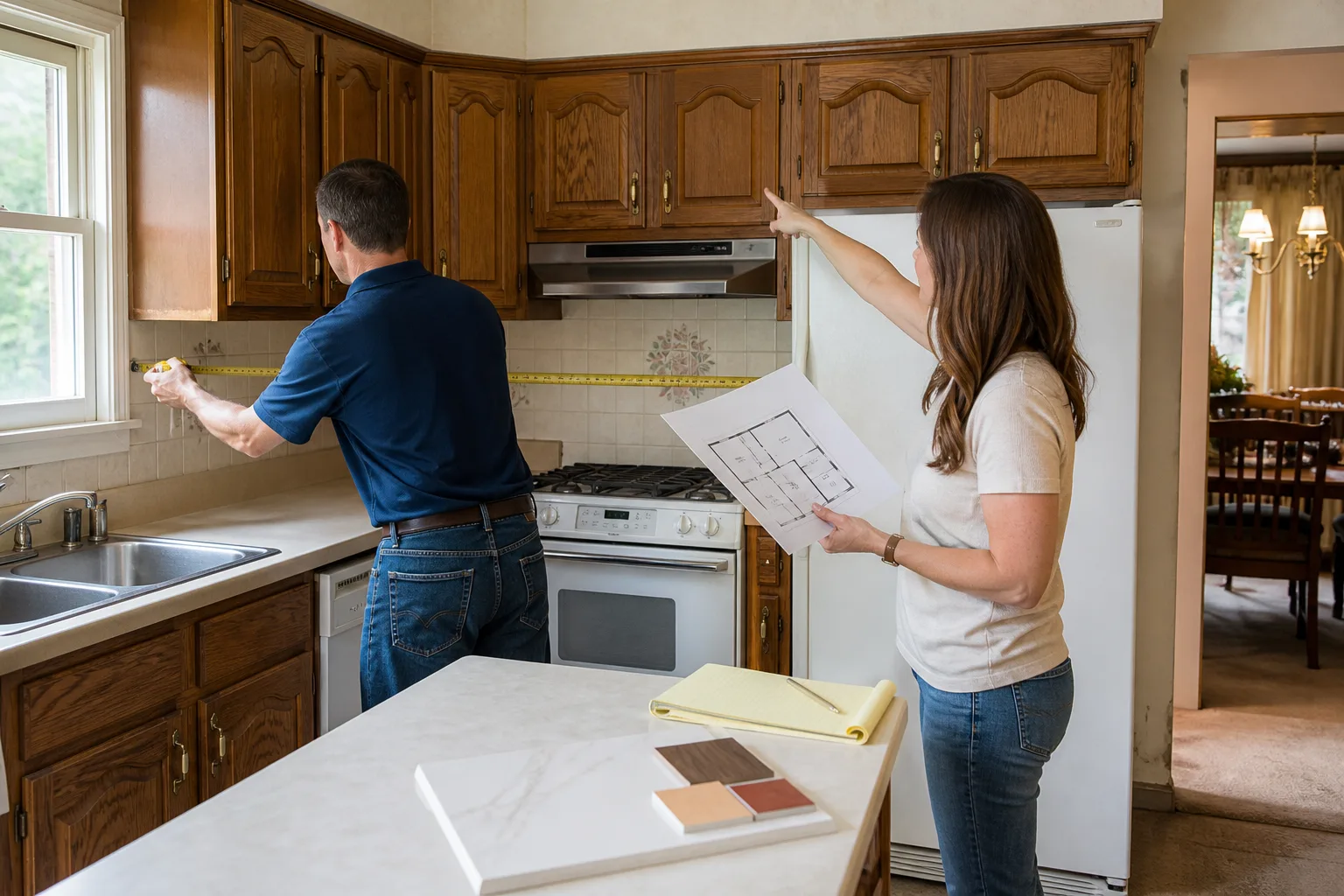


Free written scope consultation - allowances, timeline, and change-order rules on paper before a single trade is scheduled
Oldcastle Home Additions & ADU: The Riverside Owner’s Guide
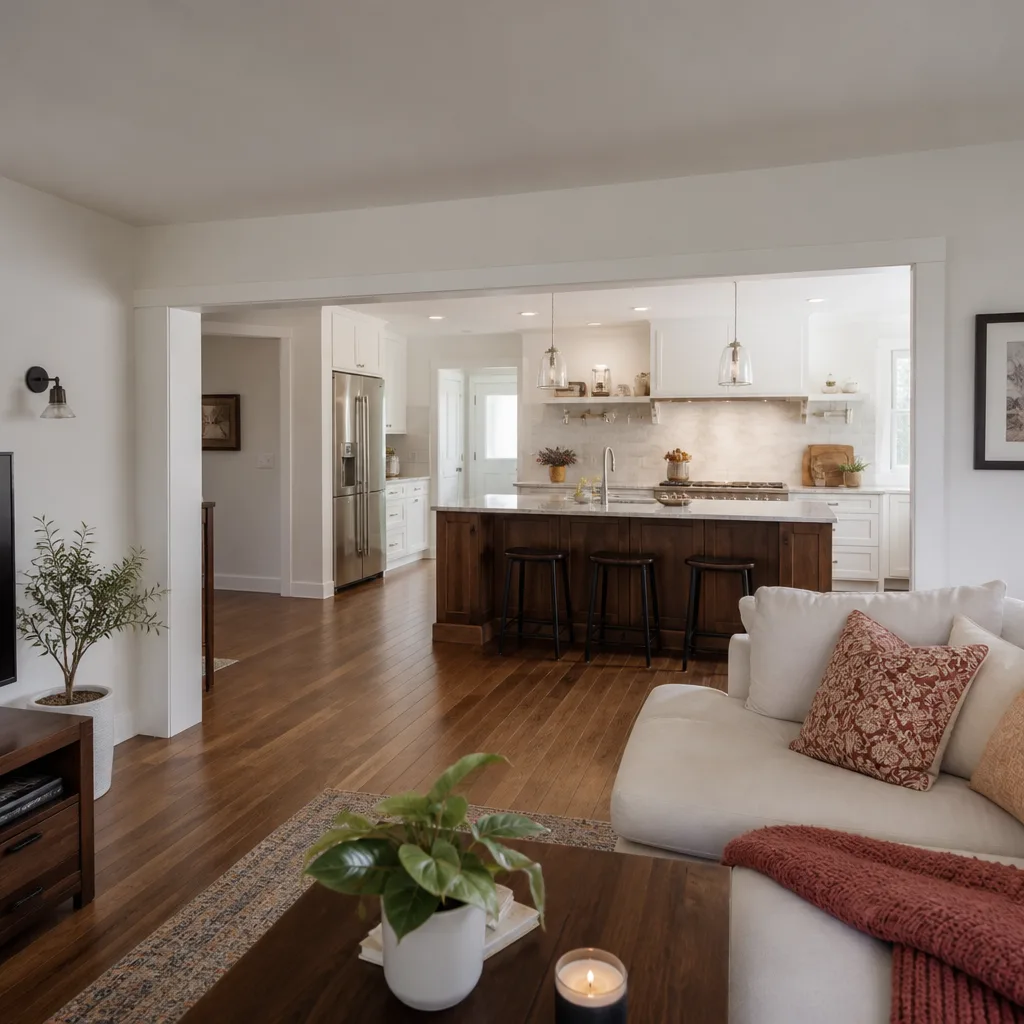
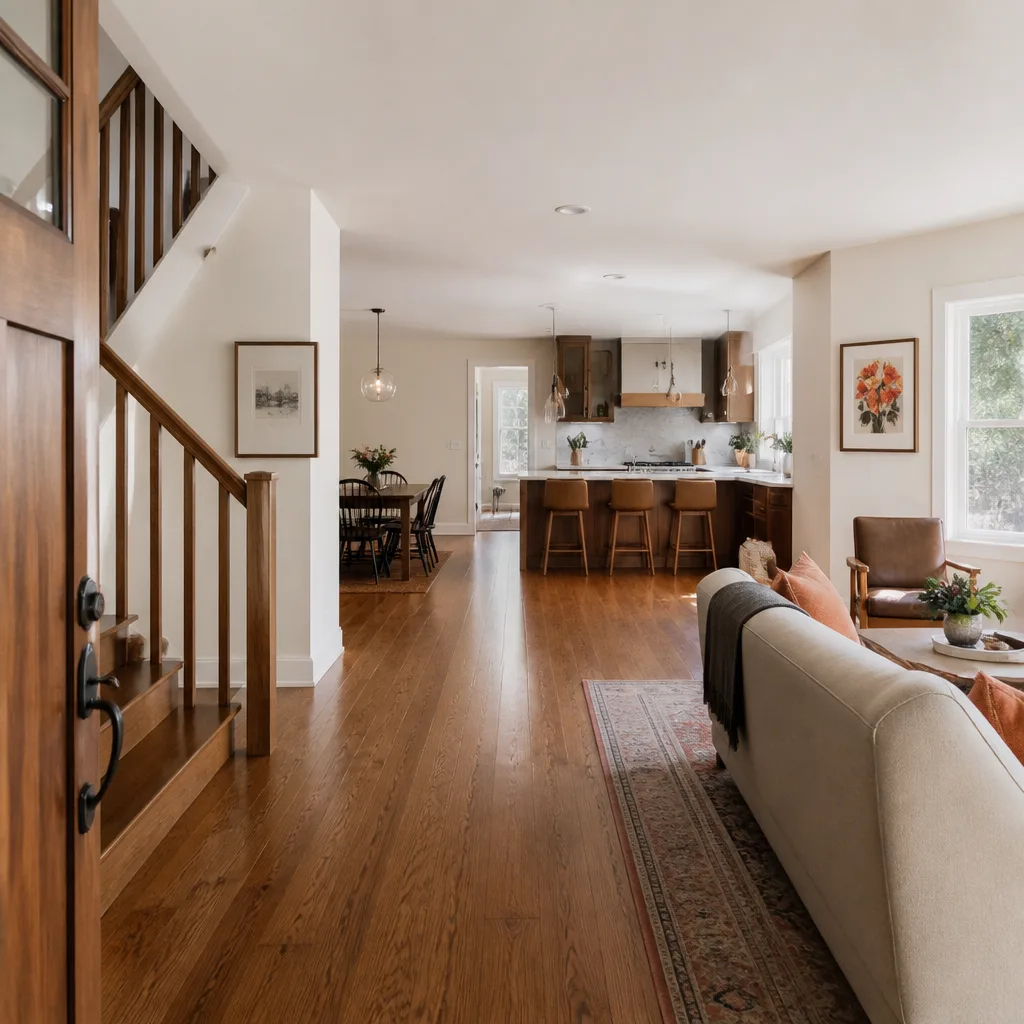
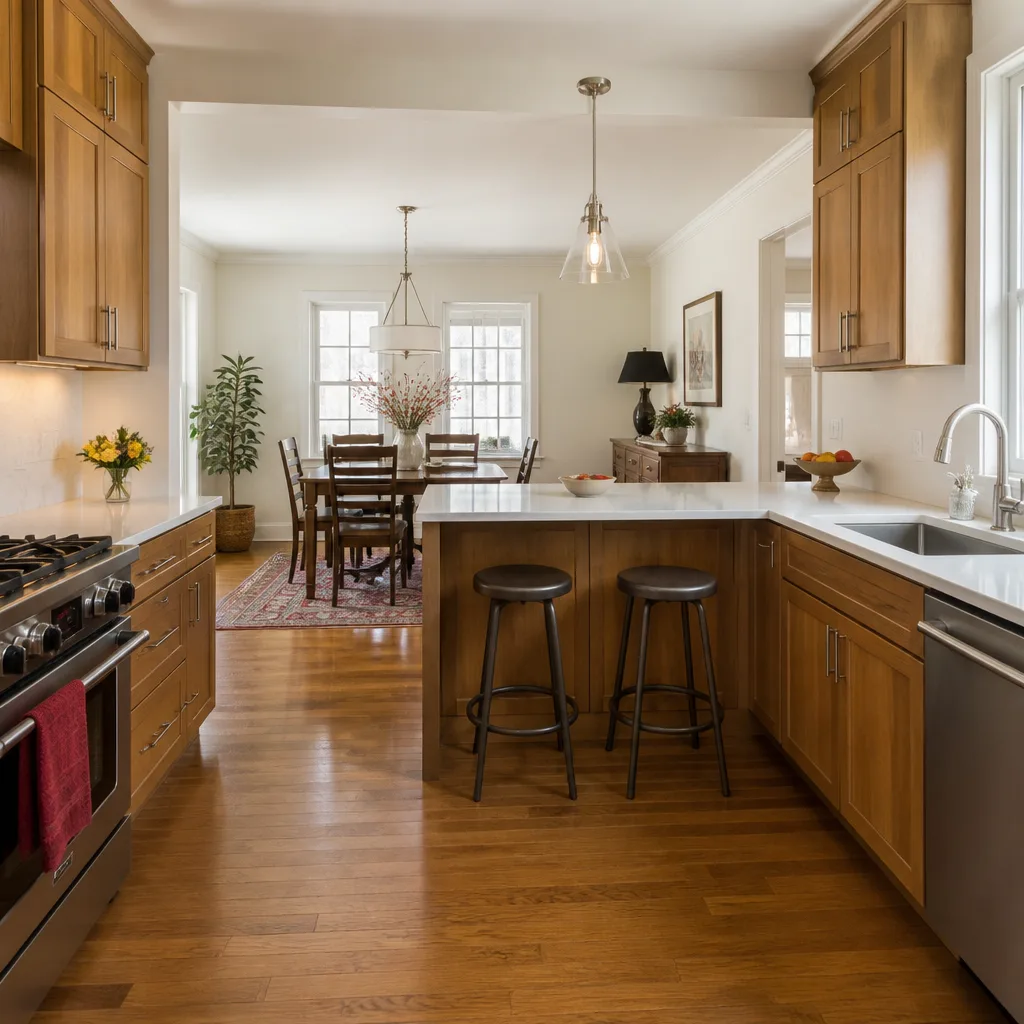
We install Oldcastle-compatible home additions and ADUs in Riverside, with full-scale projects typically running $45,000 – $130,000 depending on square footage, foundation work, and finish level. The most common call we get is from a homeowner whose Oldcastle addition or accessory dwelling unit has developed a structural or envelope failure: water intrusion at the roofline, a shifting corner post, or drywall cracking along the seam where the unit ties into the main house. In Riverside’s dry summers and occasional heavy winter rains, those seams are the first place problems show up. We match the existing Oldcastle framing, siding profile, and window flashing so the repair blends with what’s already there, and we carry the common trim, flashing, and sealant profiles on our trucks for same-visit diagnosis.
Key takeaways:
- Full Riverside home addition or ADU work runs $45,000 – $130,000; smaller repair-scope fixes are quoted as written line items, not a vague range.
- We are an independent Penhallow Remodeling Riverside, not affiliated with Oldcastle, but we install and repair Oldcastle-compatible components daily.
- Every job gets a written price before work starts, and the 365-Day Done Right Promise covers what we install.
Which Oldcastle Models This Applies To
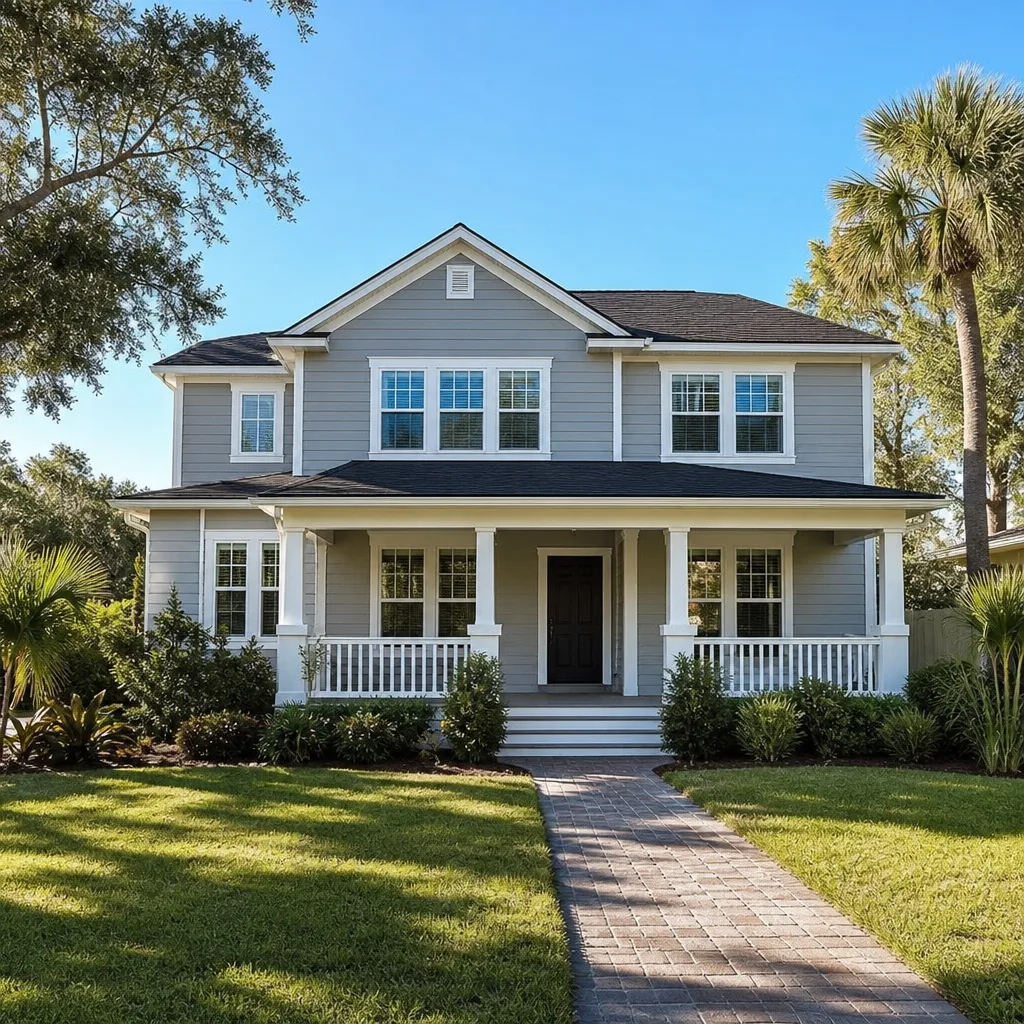
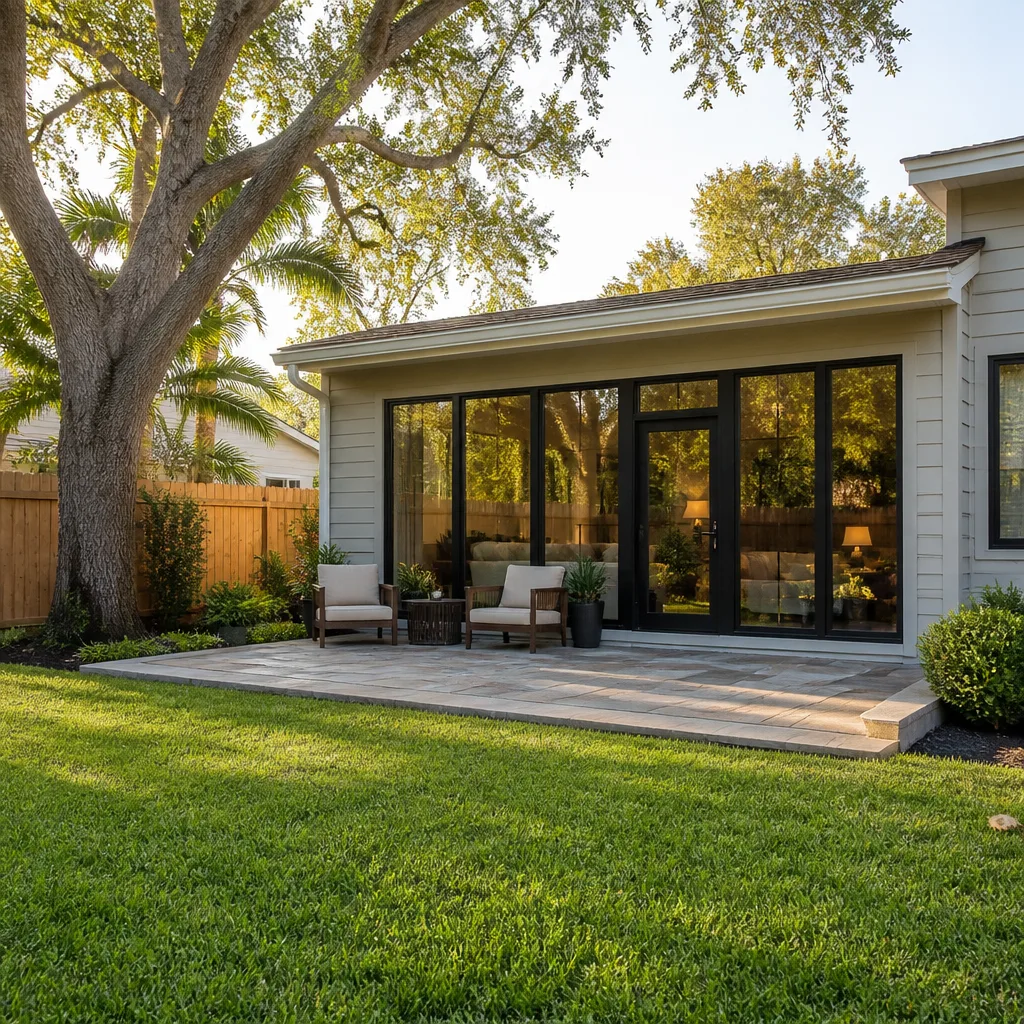
Oldcastle builds pre-engineered and modular components used in room additions, sunrooms, patio enclosures, and ADU shells across Riverside. The compatibility questions we hear most often are about the wall panel series, the roof tie-in style, and the window and door rough openings. The single biggest gotcha we see in Riverside is this: older Oldcastle wall panel lines used a 2×4 stud profile, while newer ADU shell packages moved to 2×6 engineering for energy code compliance under California Title 24. That half-inch difference changes the rough opening depth for windows and doors, the insulation value, and the flashing detail at the roofline. Before you order replacement trim, siding, or a door unit, check the panel label or measure the wall cavity depth at an existing outlet box. That one measurement tells us whether we’re matching a 2×4 or 2×6 system.
For the OEM-versus-aftermarket decision: Oldcastle’s original trim and flashing profiles are often specific to a given panel line, and aftermarket substitutes work fine when they’re dimensionally matched to the existing profile. We don’t push OEM parts as a reflex. We look at what failed and why. In many Riverside cases, the original flashing was undersized for the rain volume we get in January and February, so the better fix is an upgraded aftermarket profile with a deeper drip edge and better seam sealant. That’s a repair decision, not a parts decision.
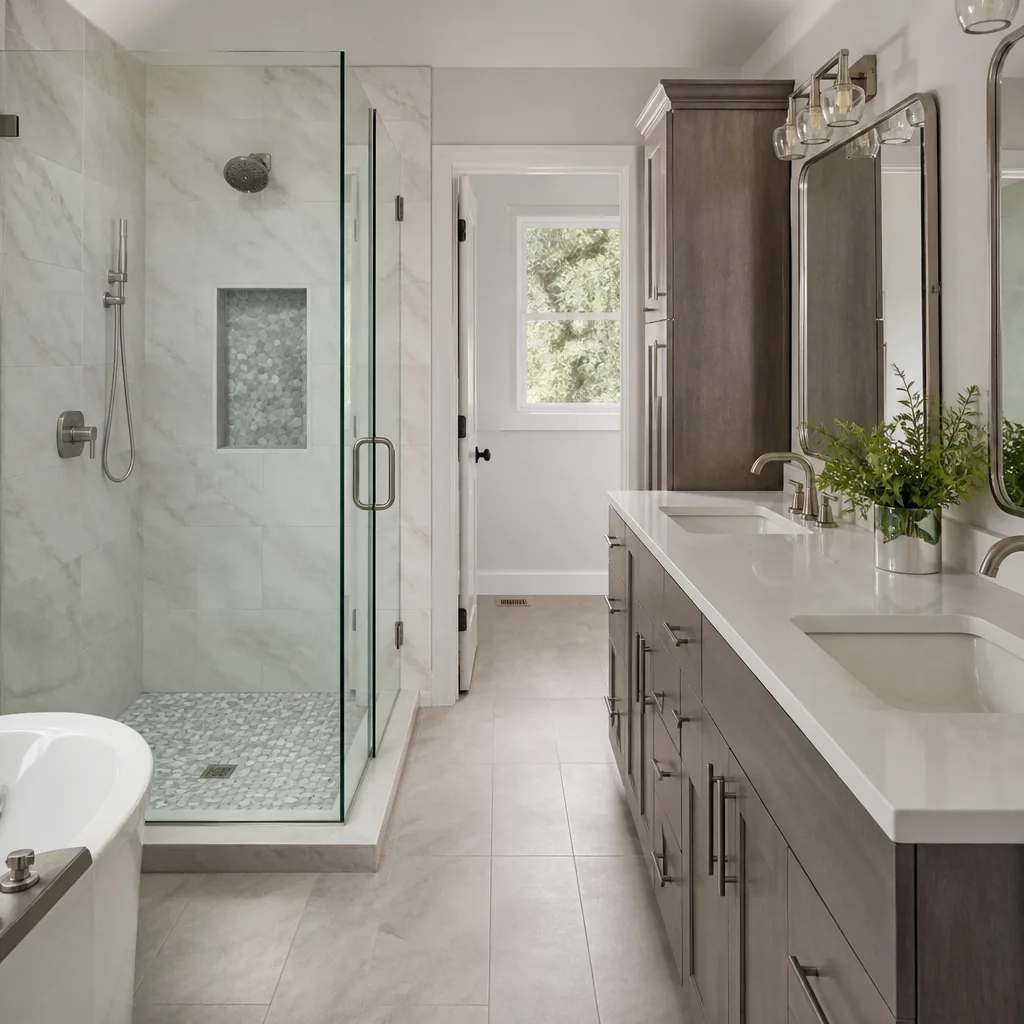
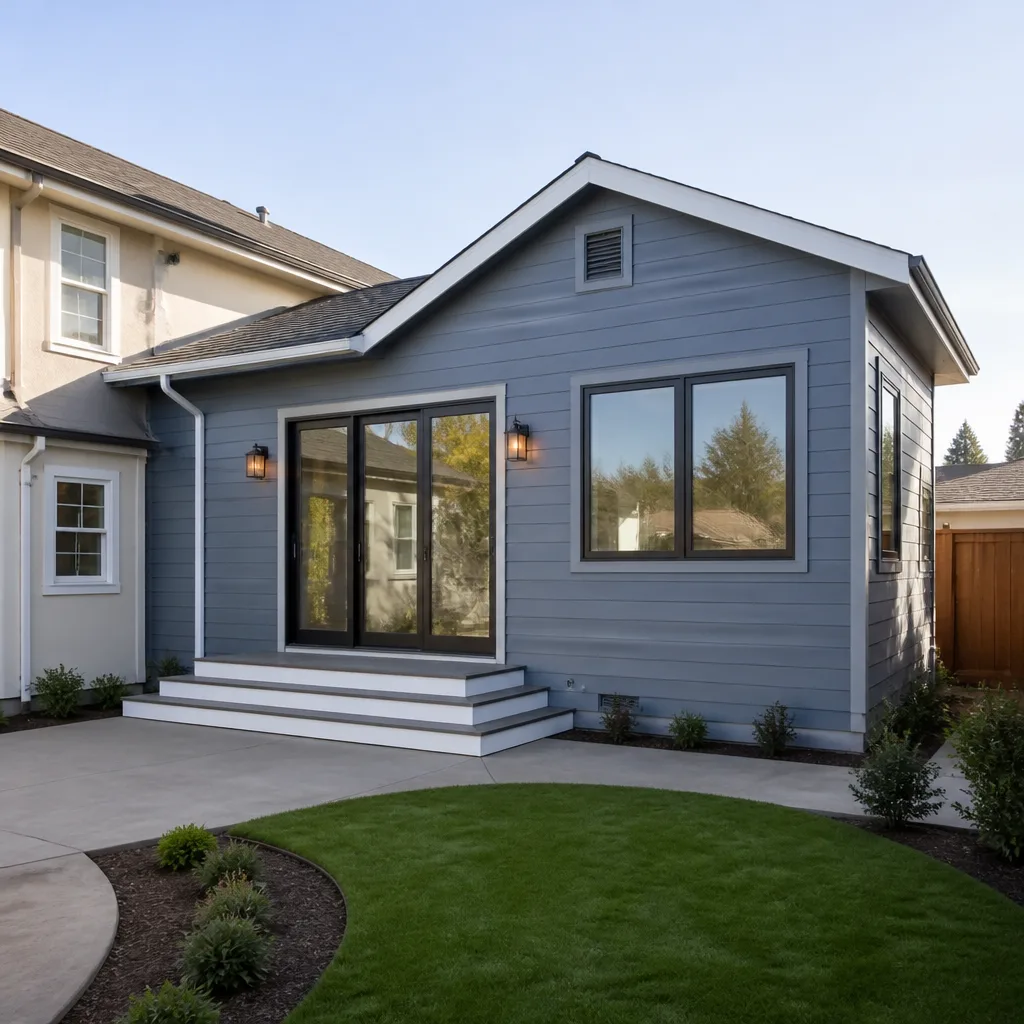
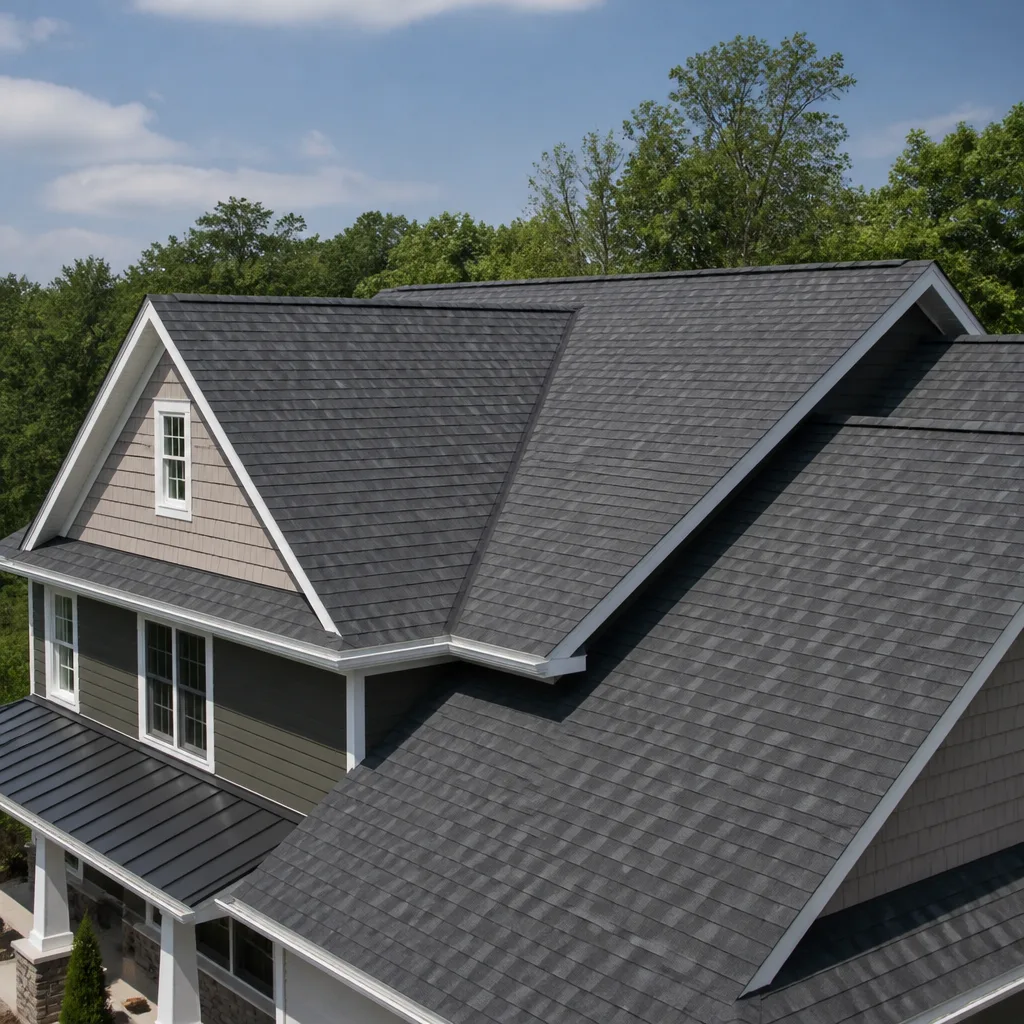
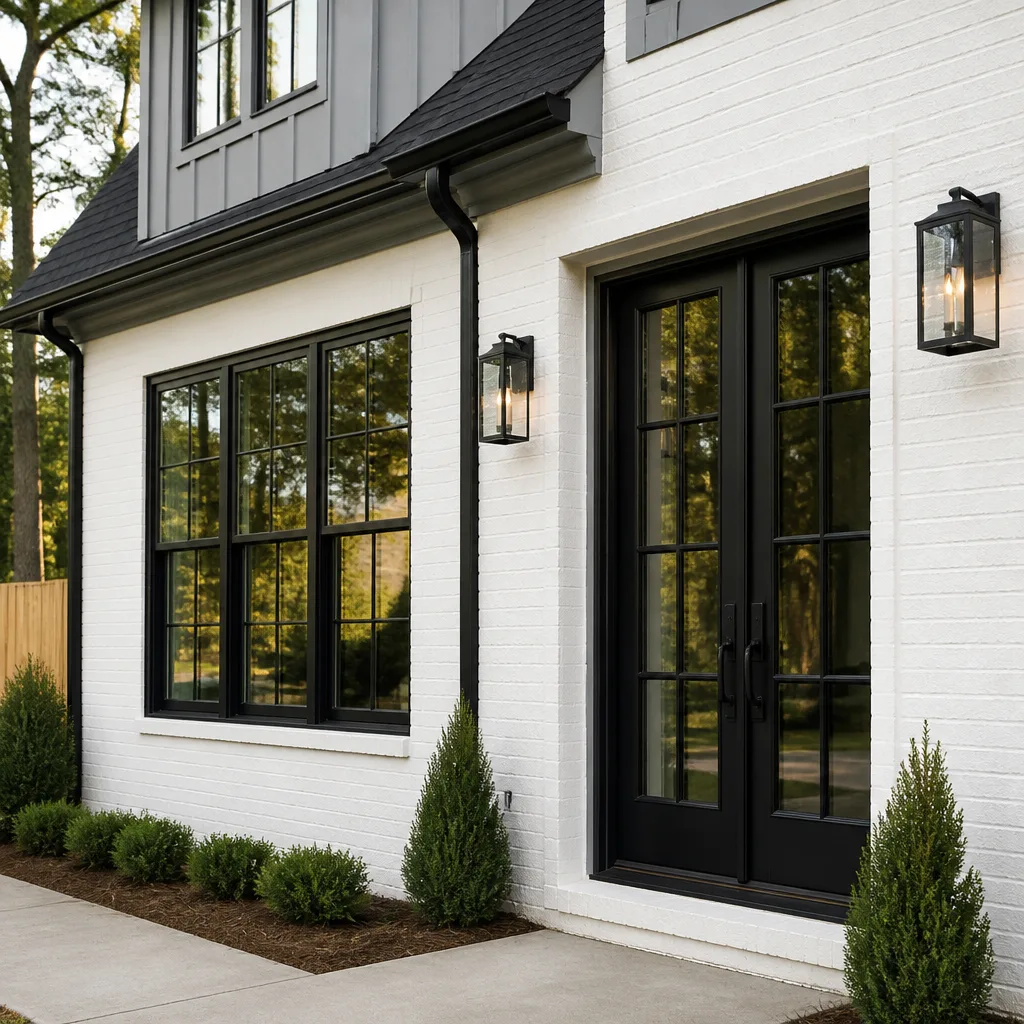
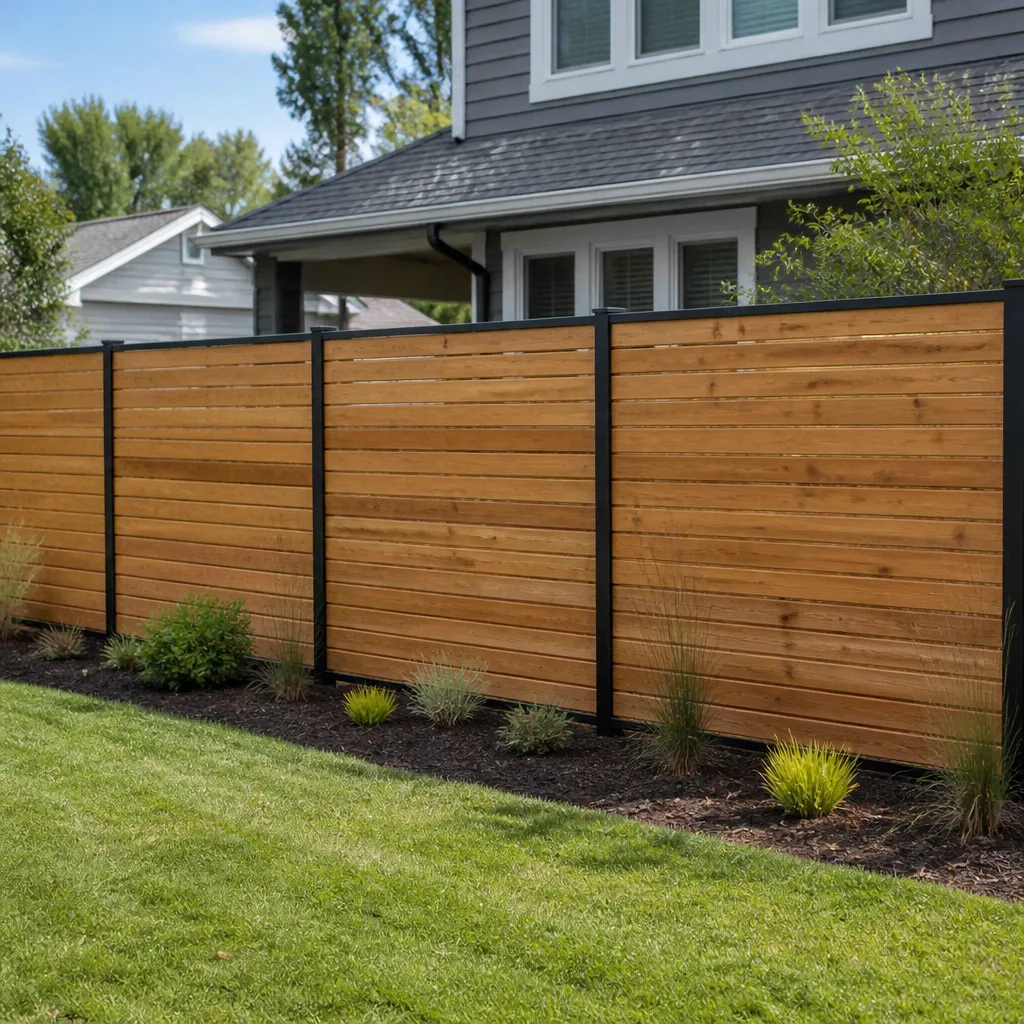
Styles & brands we work with
Signs Your Oldcastle Home Additions & ADU Is Failing
- Water staining at the ceiling-to-wall seam. This usually means the roof flashing at the tie-in point has pulled away from the main house or the sealant has failed. In Riverside, the dry-season expansion and contraction is what works that flashing loose long before the rain shows up.
- A door or window that suddenly sticks or won’t latch. For pre-engineered Oldcastle panels, a sticking door is rarely the door. It’s usually the adjacent corner post or floor ledger settling. We check the structure before we touch the hardware.
- Drywall cracks running diagonally from a window corner. This is the classic sign of differential movement between the addition and the main house. Older Riverside homes in the Arlington neighborhood are especially prone because the original framing settles on a different schedule than an attached Oldcastle module.
- Musty smell in the knee wall or low storage areas. That’s trapped moisture, which usually means a floor-to-panel seal or a sill flashing detail failed. By the time you smell it, it’s been happening quietly for a while.
- Visible rust or weeping on metal flashing or fasteners. Rust doesn’t mean the panel failed. It means the original fasteners weren’t rated for our climate’s swing or the flashing lap was too short for sustained rainfall. We replace and upgrade rather than patch over.
See the difference
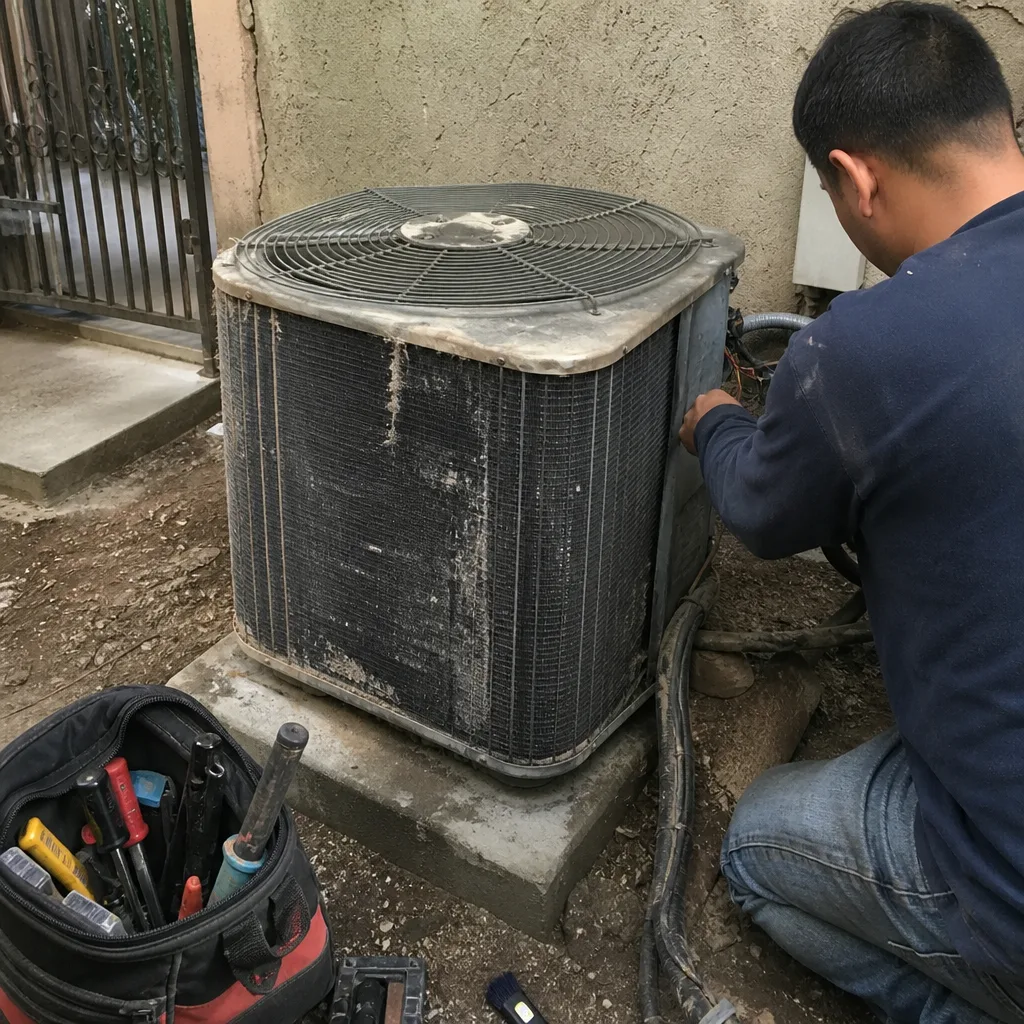 Before
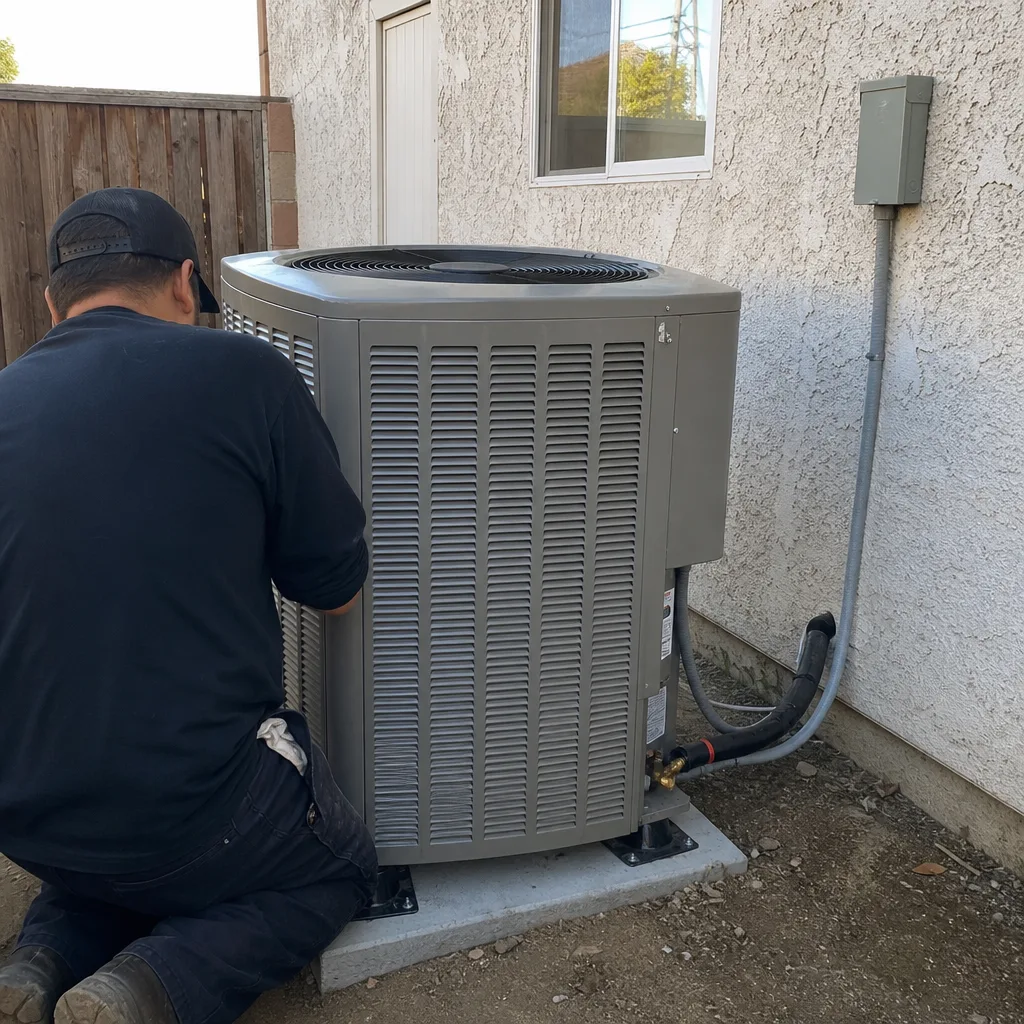 After
After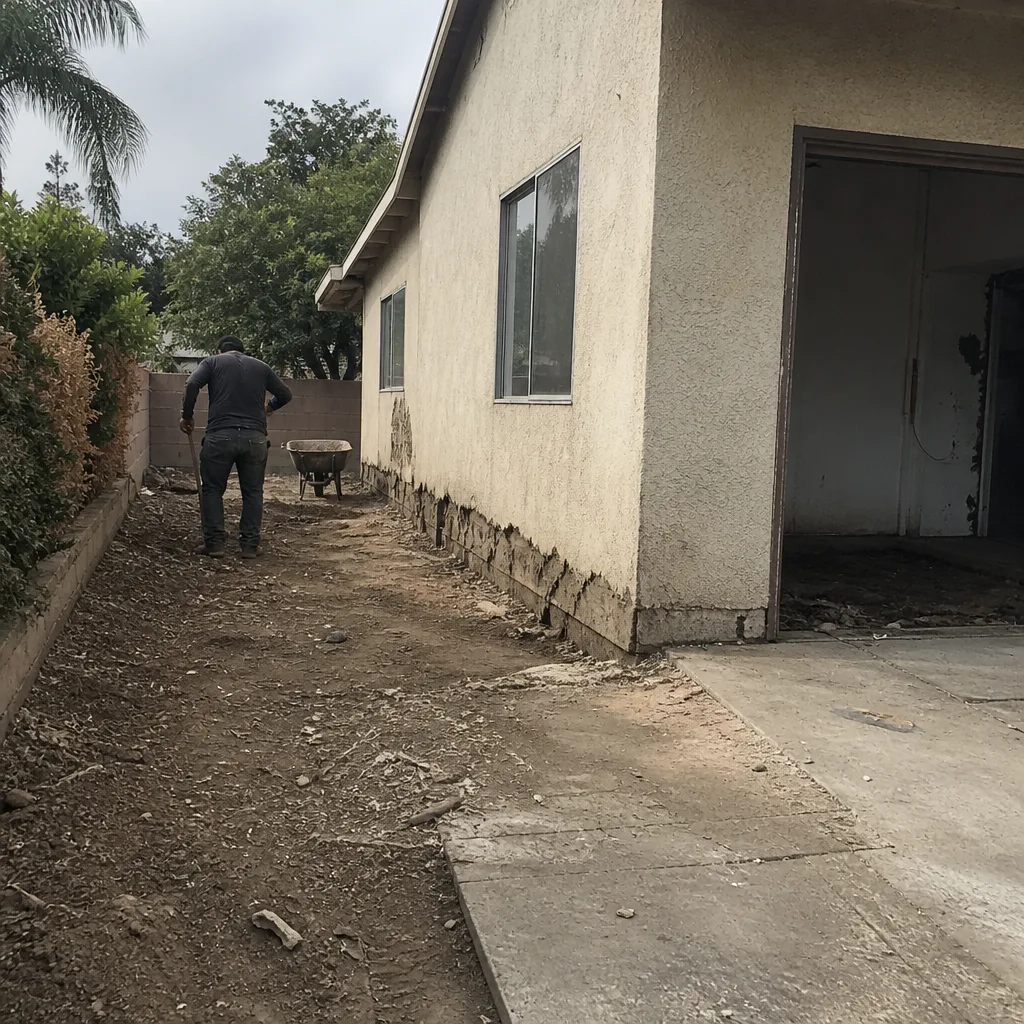 Before
 After
After Before
 After
AfterReplacement Cost & What’s Included
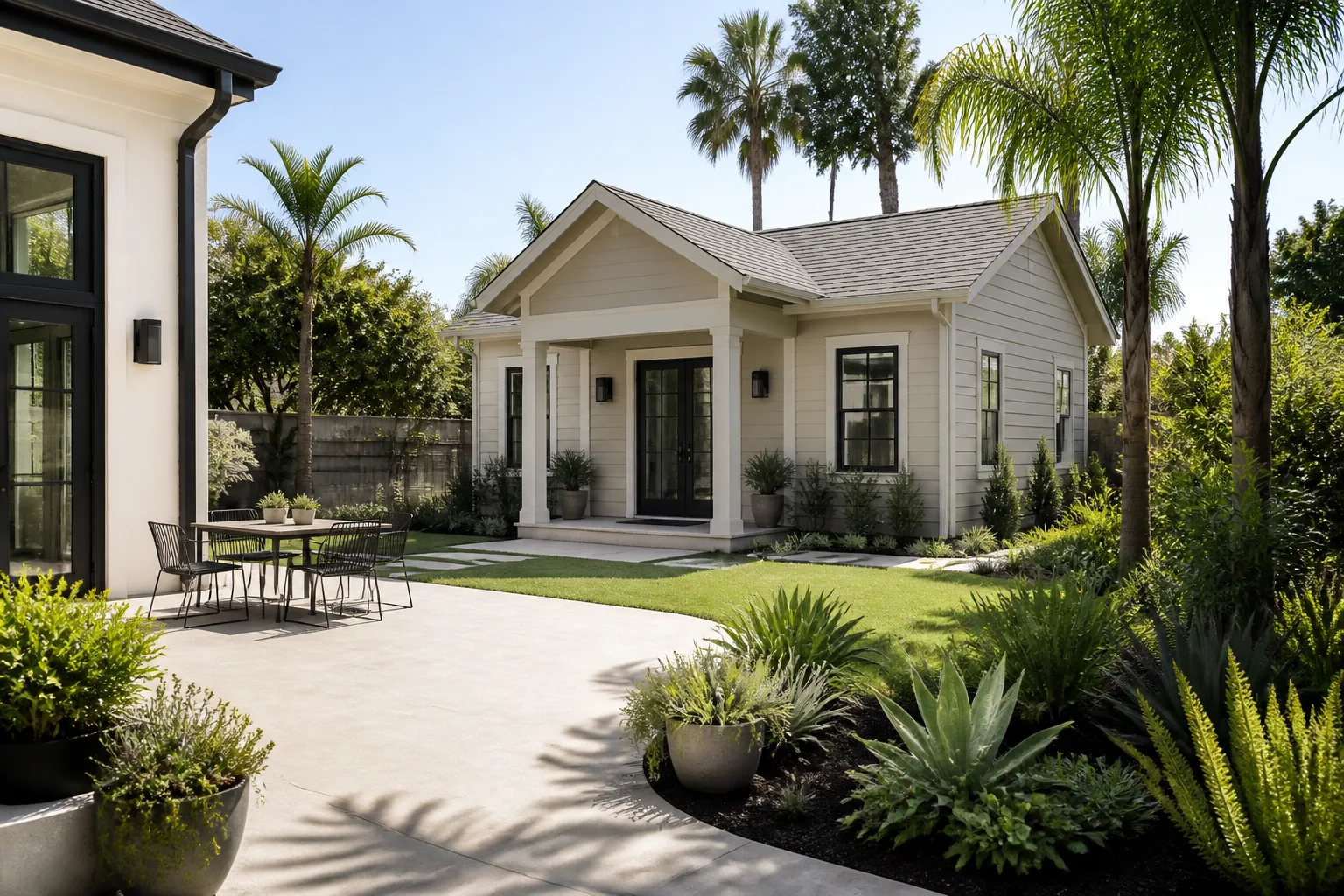
Full Riverside home addition and ADU work lands between $45,000 and $130,000. The single biggest driver is square footage, but what pushes a project toward the top of that range is the foundation condition, the roofline tie-in, and whether the existing Oldcastle shell is worth repairing or should be removed. Smaller repair-scope jobs (re-flashing a roofline, replacing a failed sealant line, resetting a corner post) are quoted as separate written line items, typically far below the full-project range.
| Scope | Typical Installed Range in Riverside |
|---|---|
| Full home addition with foundation | $45,000 – $130,000 |
| Standalone ADU construction | $90,000 – $220,000 |
| Garage conversion to living space | $30,000 – $80,000 |
| Roofline re-flash and sealant upgrade | Quoted as written line item after inspection |
| Corner post or ledger repair | Quoted as written line item after inspection |
Every price we hand you is a written number before work begins, parts and labor separated so you can see what you’re buying. The 365-Day Done Right Promise covers the work in writing: if what we installed fails inside a year, we come back and fix it at no charge. No re-inspection fee, no service call fee. Materials are sourced from brands we trust behind that guarantee: James Hardie siding, Therma-Tru doors, and flashing profiles matched to the existing Oldcastle dimensions.
DIY or Call Us?
There are things you can safely check yourself: look for cracked or missing sealant at the roofline seam, check that downspouts are discharging away from the addition’s foundation, and look for visible rust on exposed flashing. Those are observation tasks and they’ll help you describe the problem when you call. What you should not attempt is pulling a wall panel, re-flashing a roof tie-in, or resetting any structural member. A failed flashing repair can send water into the wall cavity for months before you see it, and working at roofline height on a Riverside roof in the dry season is not where a homeowner should be. Trevor Nash has done this work across the Inland Empire for the better part of two decades, and his rule is simple: give you a number before we pick up a tool, that’s just how this works. If you’ve got water where it shouldn’t be or a crack that’s growing, call (341) 895-1170 and we’ll come look.
FAQs
With proper flashing maintenance and drainage, the structural shell should last 40 – 50 years, but the sealant and flashing at tie-in points typically need replacement every 8 – 12 years in Riverside’s climate. The dry heat is what breaks down the sealant long before the panels themselves fail.
In most Riverside cases, yes. We repair the failed component, whether that’s a roofline flashing detail, a corner post, or a door rough opening, and leave the rest of the shell alone. Call (341) 895-1170 and we’ll tell you straight whether the repair makes sense.
Most single-detail repairs (flashing, sealant replacement, door re-hang) are completed in one to two days. Structural corrections like resetting a settled corner post can take three to five days depending on what we find when we open the wall.
We stock common flashing profiles, sealants, trim dimensions, and door systems that match Oldcastle panel lines, plus the 2×4 and 2×6 rough opening configurations used across Riverside. Uncommon trim profiles are ordered to match, and the lead time is built into the written quote.
Written by Trevor Nash, Owner, Penhallow Remodeling Riverside at Penhallow Remodeling Riverside, serving Riverside and nearby areas.