Free written scope consultation - allowances, timeline, and change-order rules on paper before a single trade is scheduled
Tuff Shed Driveway & Pavers: The Riverside Owner’s Guide
If you’ve got a Tuff Shed sitting on a driveway or paver base that’s cracked, sunk, or washed out, here’s the straight answer: we install Tuff Shed-compatible paver driveways and replacement paver bases throughout Riverside, with most jobs running $7,000 to $18,000 depending on square footage, access, and whether we’re salvaging existing pavers or starting fresh. We carry pavers and base material on our trucks, so we can usually get your shed’s foundation sorted within a day or two of the quote. Where this becomes a parts issue is when the problem isn’t the pavers themselves but the base underneath them, or when you’re trying to match a discontinued paver style Tuff Shed recommended years ago. Most Riverside owners call us because the shed door drags, the concrete pad at the entry has tilted, or water pools against the shed floor every winter.
Key takeaways:
- Paver driveway installation in Riverside runs $7,000 – $18,000; dedicated shed pads run less.
- The failure is almost always the base, not the paver itself.
- We match existing Tuff Shed paver patterns where the line is still manufactured, and source close equivalents when it isn’t.
- Every job gets a written price before work starts and the 365-Day Done Right Promise in writing.
Which Tuff Shed Models This Applies To
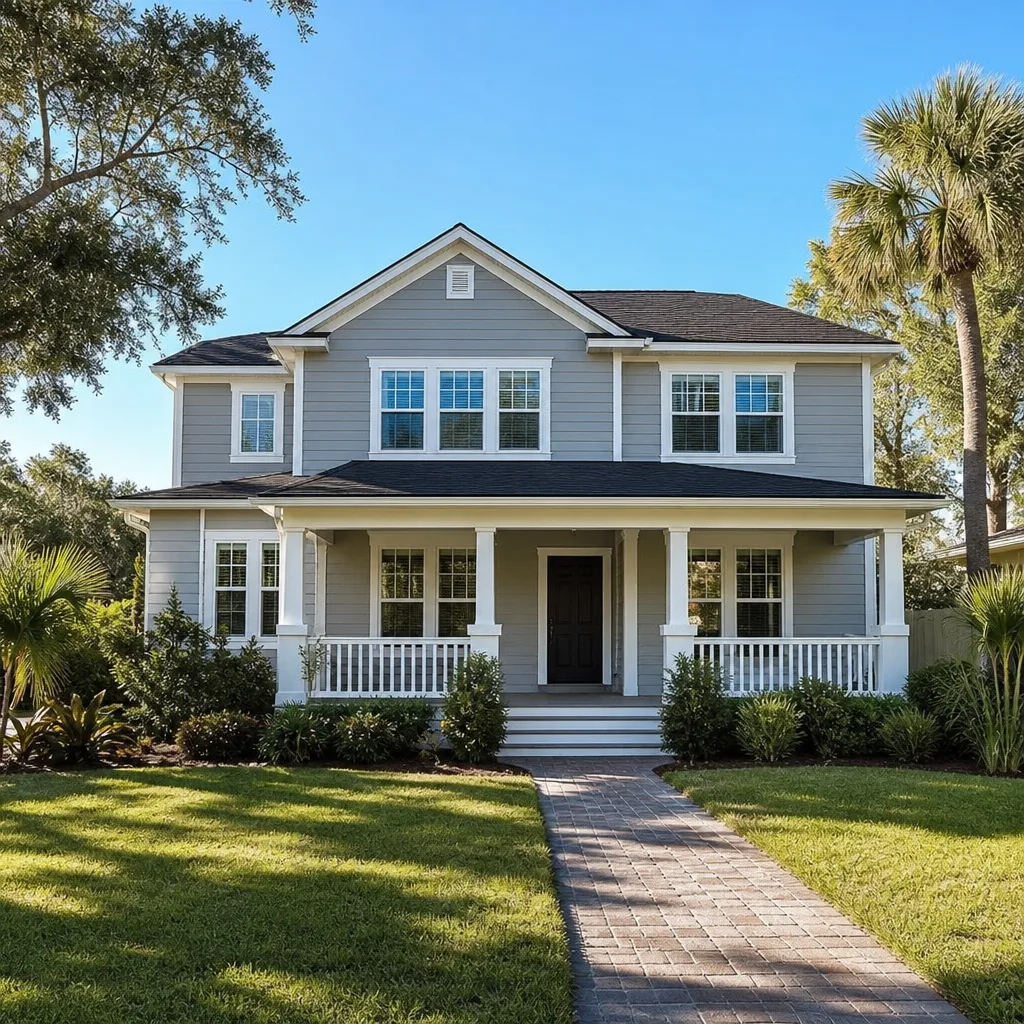
Tuff Shed doesn’t manufacture pavers, but their site-prep guides and common Riverside installation patterns pair specific shed series with specific foundation types. The Premier PRO and Premier Ranch series frequently sit on concrete or paver pads, while the Sundance and Tahoe series are more often set on compacted gravel with paver aprons at the door. If you have a copy of your original Tuff Shed order or site-prep sheet, look for the foundation spec line; it’ll tell you whether your shed was designed for a full paver base or just a threshold pad. That distinction matters, because the base depth and compaction requirements are different for each.
The compatibility gotcha we run into constantly in Riverside: Tuff Shed’s recommended paver foundation calls for a 4-inch compacted aggregate subbase under a 1-inch sand setting bed, but many driveways installed by others around the Inland Empire skip the aggregate depth to save money. The pavers look fine for two or three years, then the whole field starts undulating. If you’re replacing the base, you want a minimum of 4 inches of crushed aggregate, compacted in lifts, with edge restraints. That’s the difference between a 20-year pad and a 5-year pad. We’re an independent service provider and not affiliated with Tuff Shed, which is worth saying plainly. What that means for you is we source pavers from Belgard, Unilock, and Calstone distributors that stock the same lines Tuff Shed has referenced in their site-prep materials.
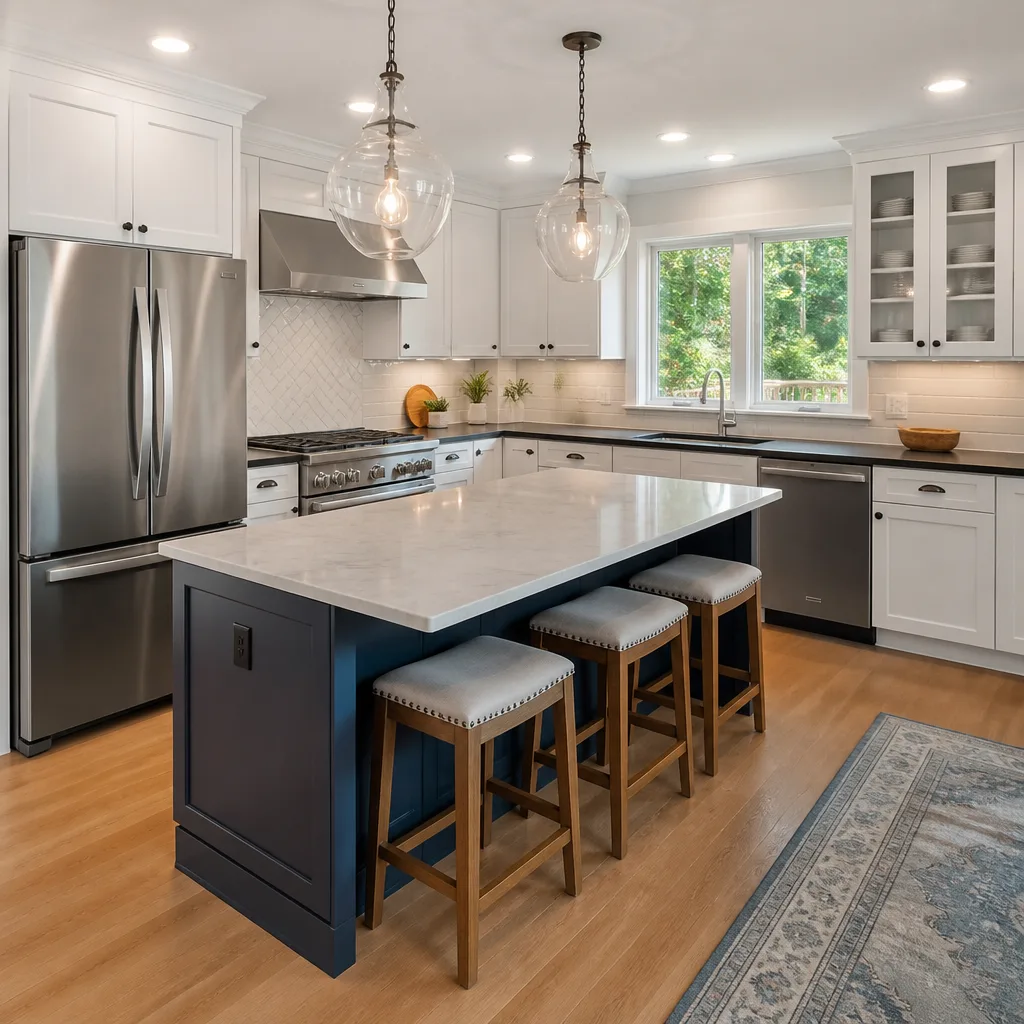
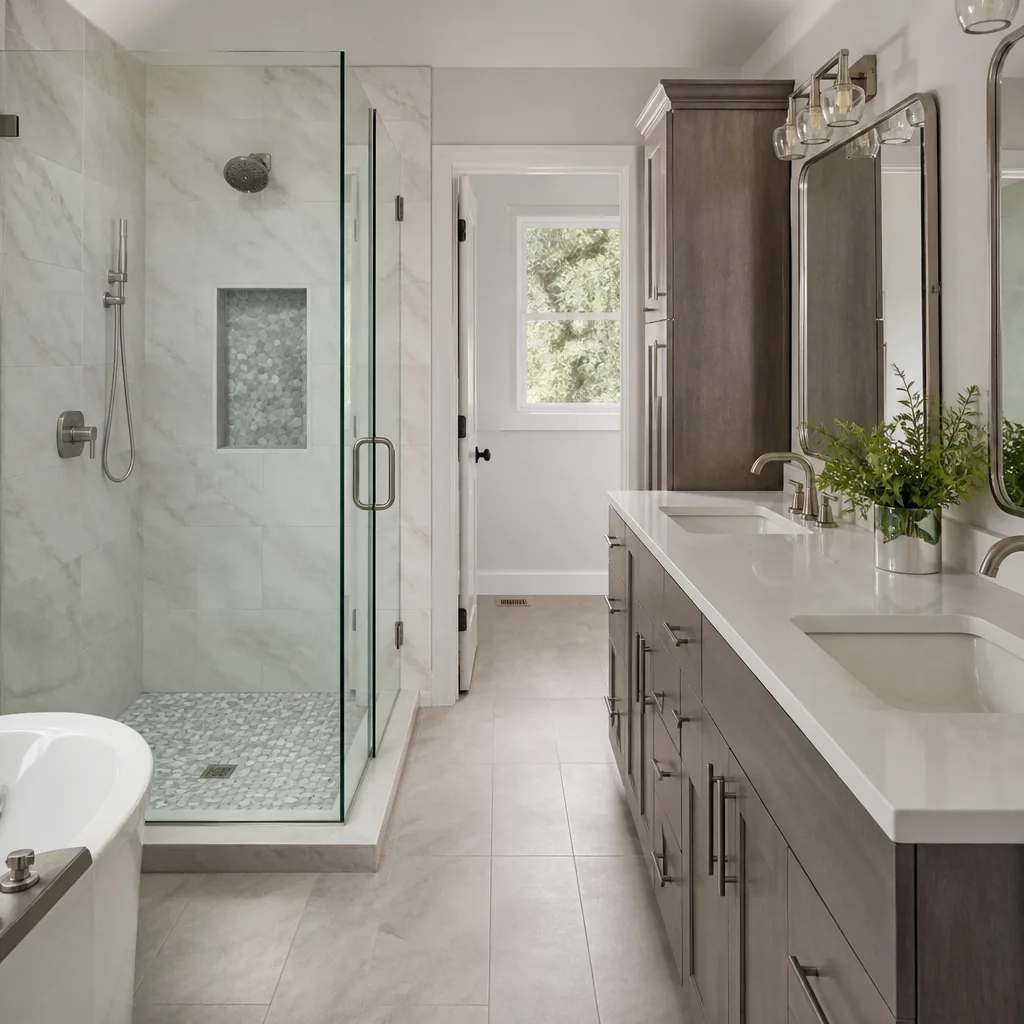
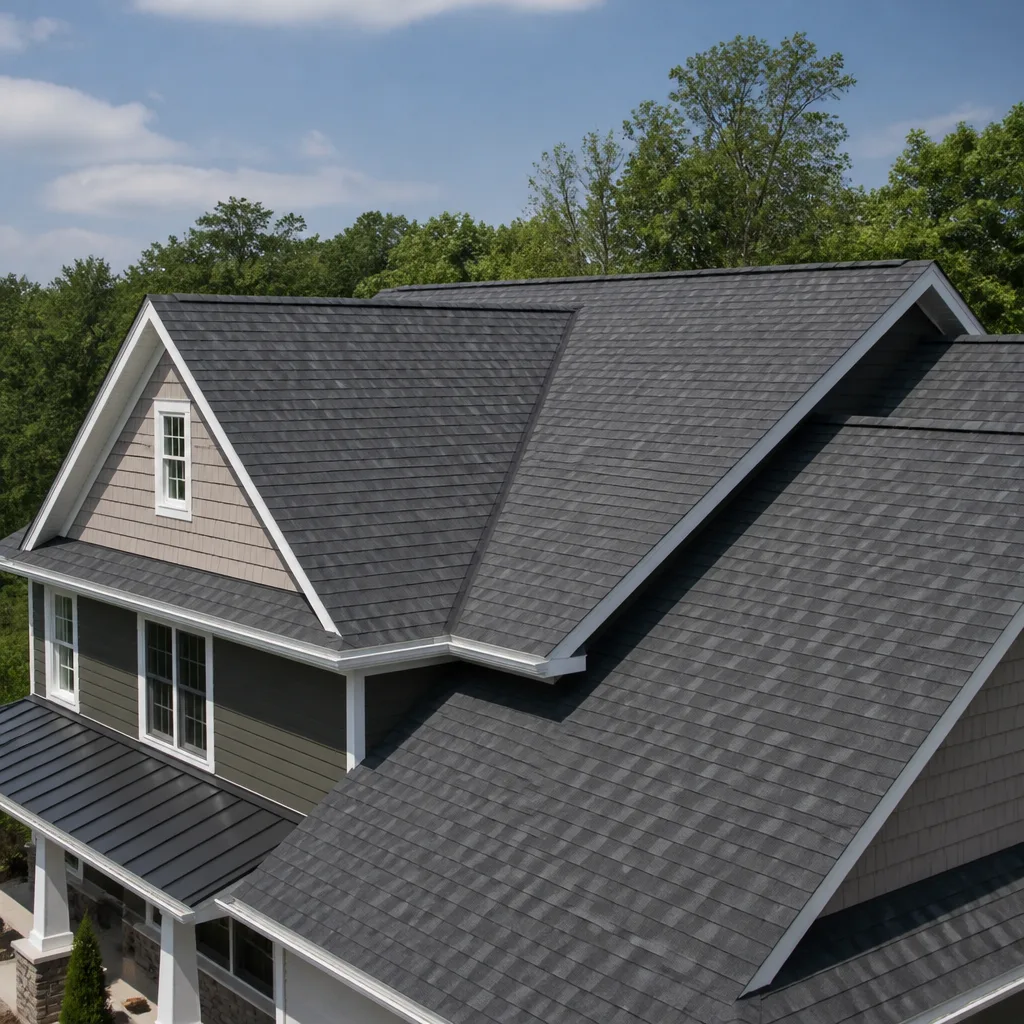
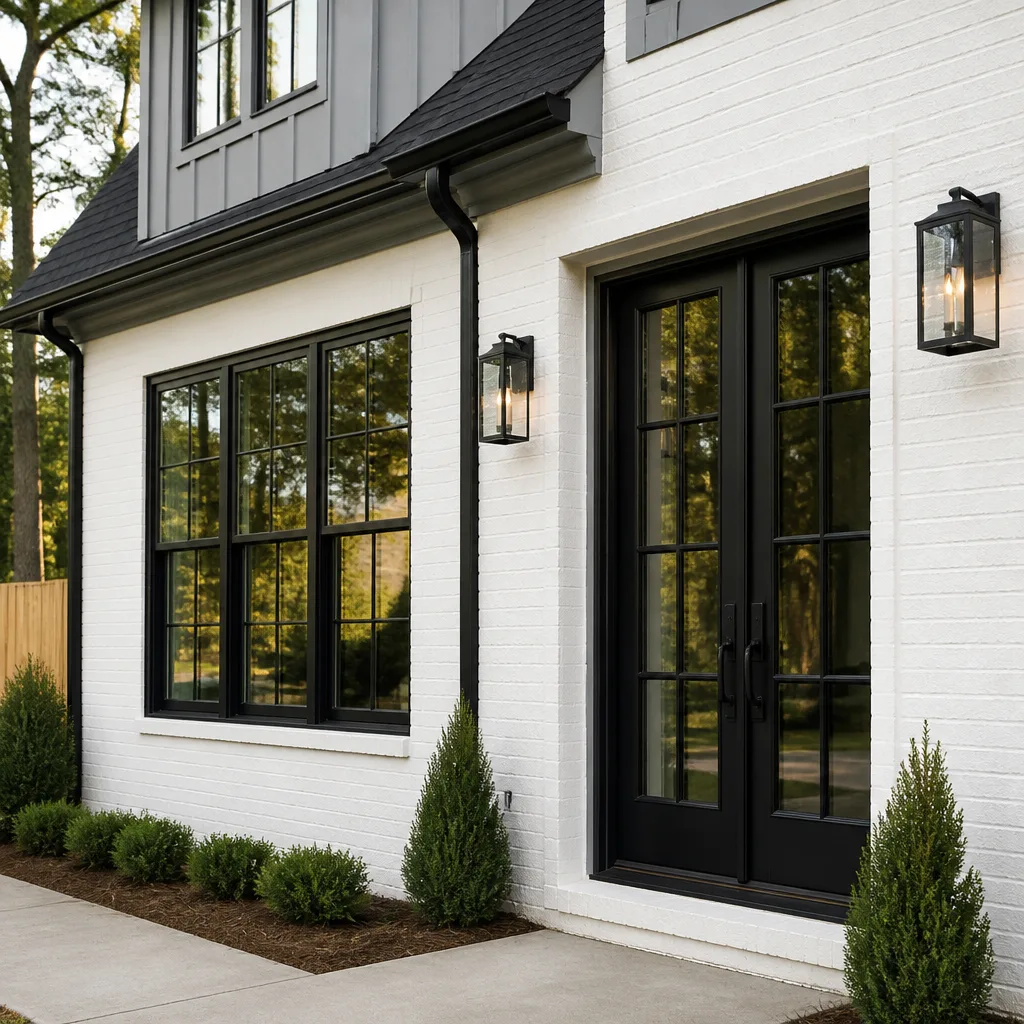
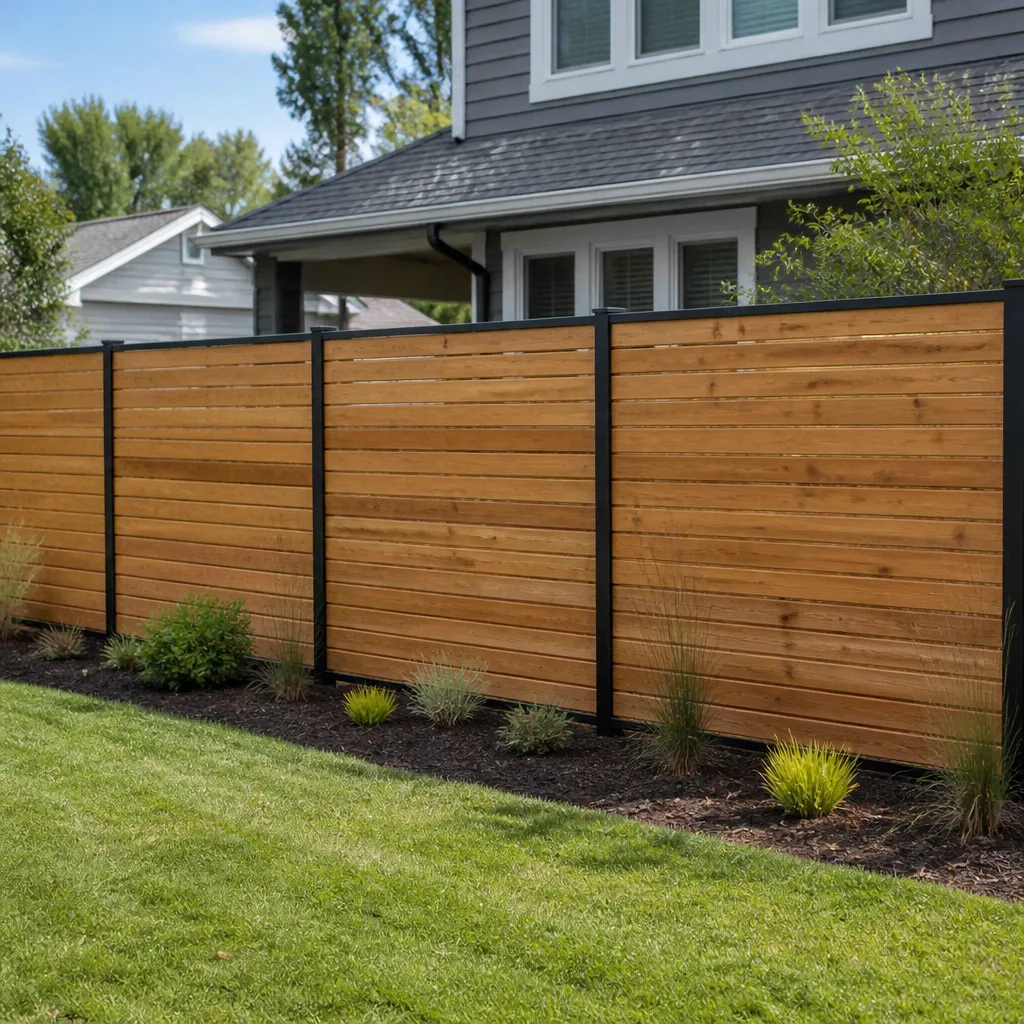
Styles & brands we work with
Signs Your Tuff Shed Driveway & Pavers Is Failing
- Door drag or binding. The shed door scrapes the pavers or won’t close fully. This means the paver closest to the threshold has lifted, typically because tree roots from a nearby Riverside oak or citrus pushed up through the sand bed.
- Paver rocking when you step on it. A paver that wobbles underfoot has lost its edge restraint or its sand joint. Left alone, one rocking paver becomes a chipped paver, then a broken corner that’s impossible to match cleanly.
- Low spots that hold water. In Riverside’s winter rain and summer irrigation overspray, low spots in the paver field collect water that seeps into the base and starts pumping fines (the fine particles in your bedding material) out through the joints. You’ll see tiny sinkholes next to paver edges.
- Visible cracking across multiple pavers in a straight line. A crack that runs in a straight line across several pavers usually points to a failing joint in an underlying concrete apron, especially common where a paver driveway meets a concrete garage slab poured at a different time.
- Weeds pushing through every joint. Weeds sprouting everywhere signal the polymeric sand in the joints has decayed. In Riverside’s heat, polymeric sand breaks down faster than the bag claims, and once it’s gone, ants and weeds move in and the pavers shift.
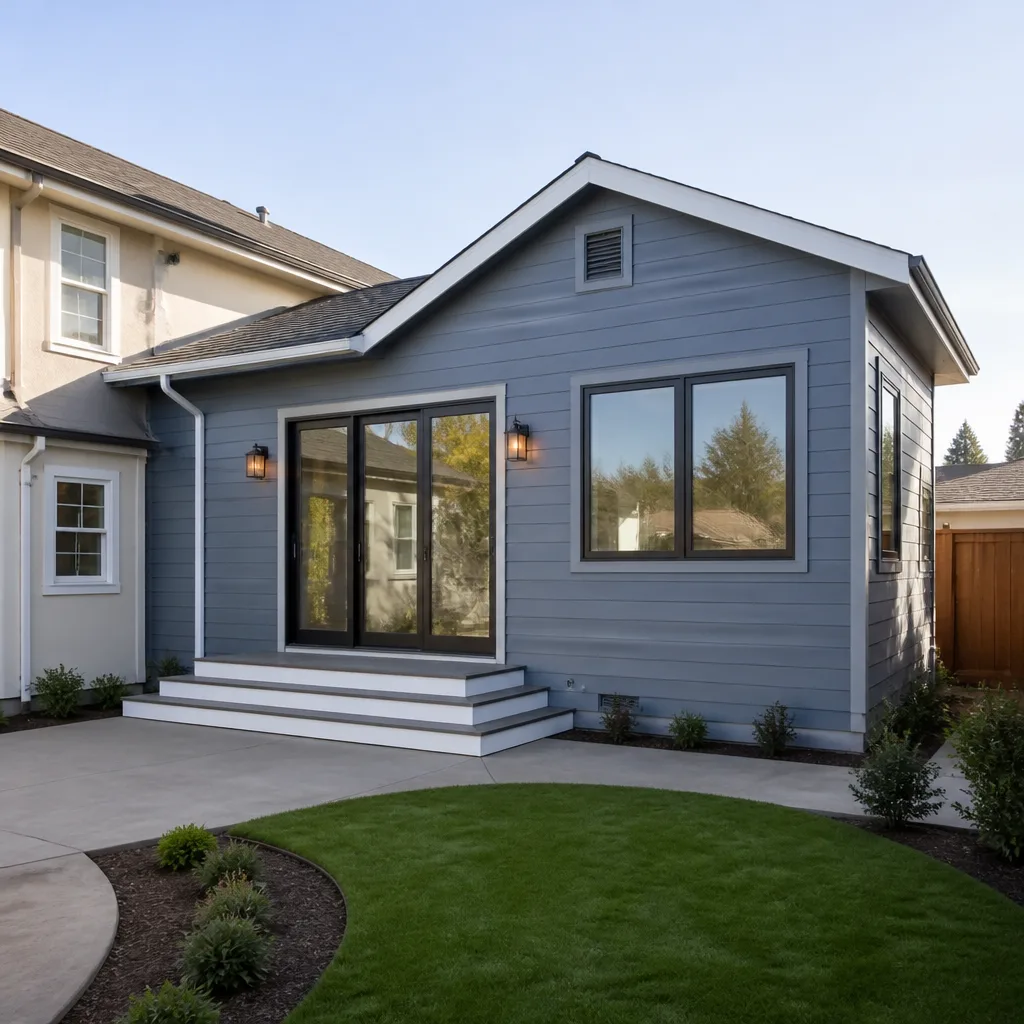
See the difference
 Before
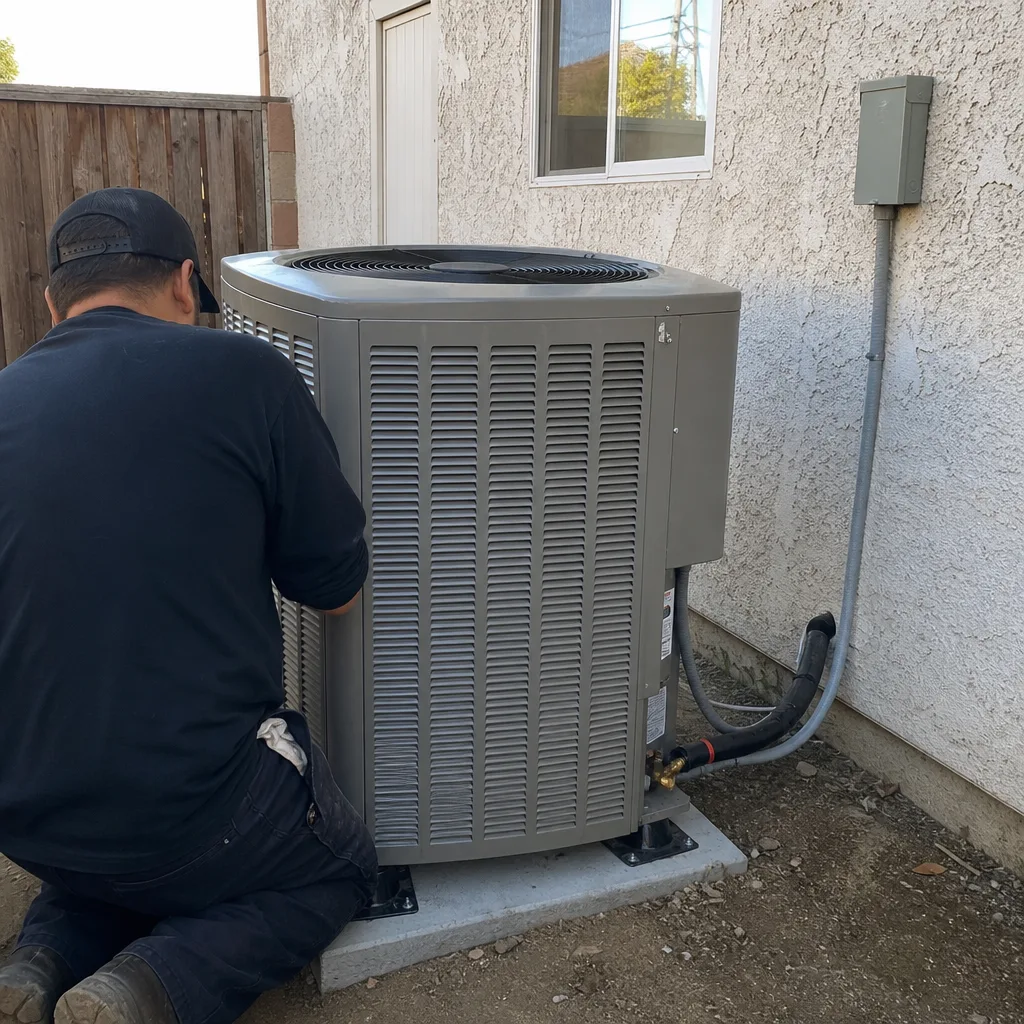 After
After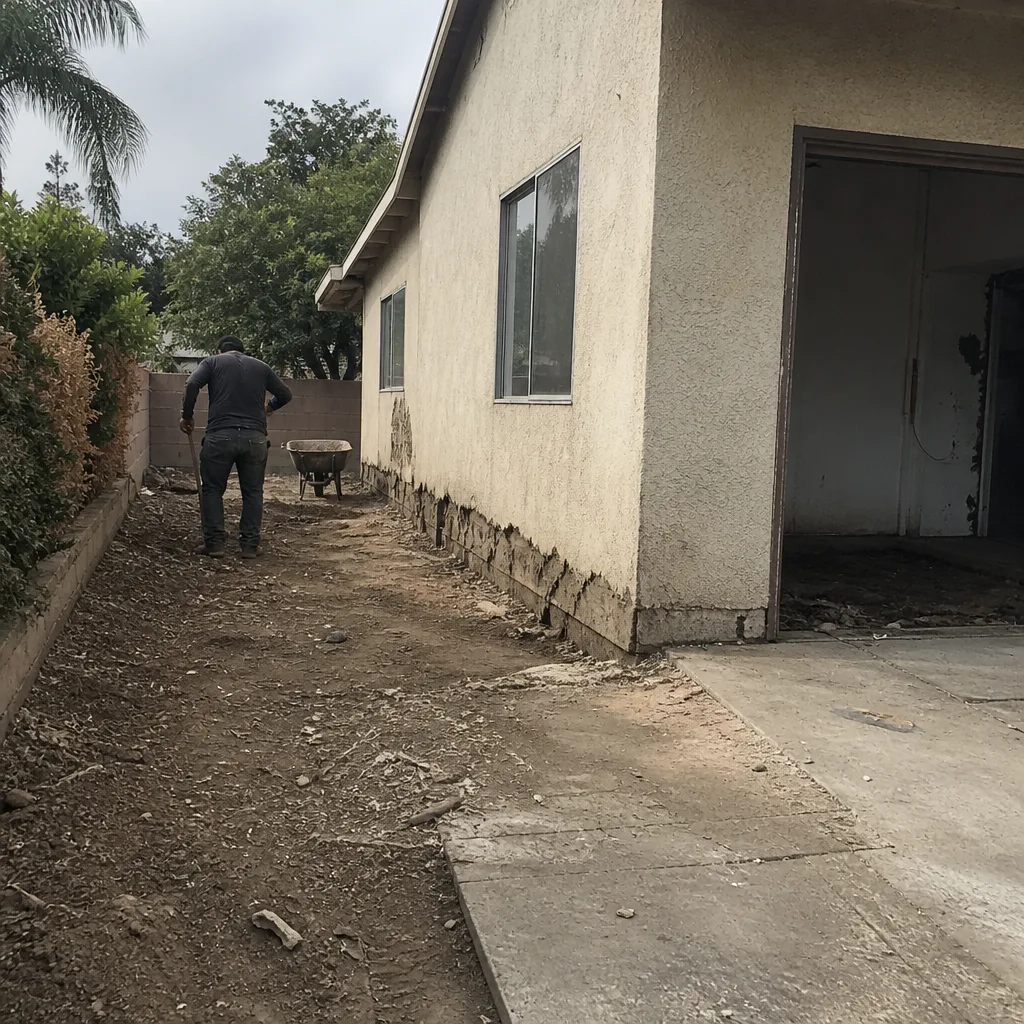 Before
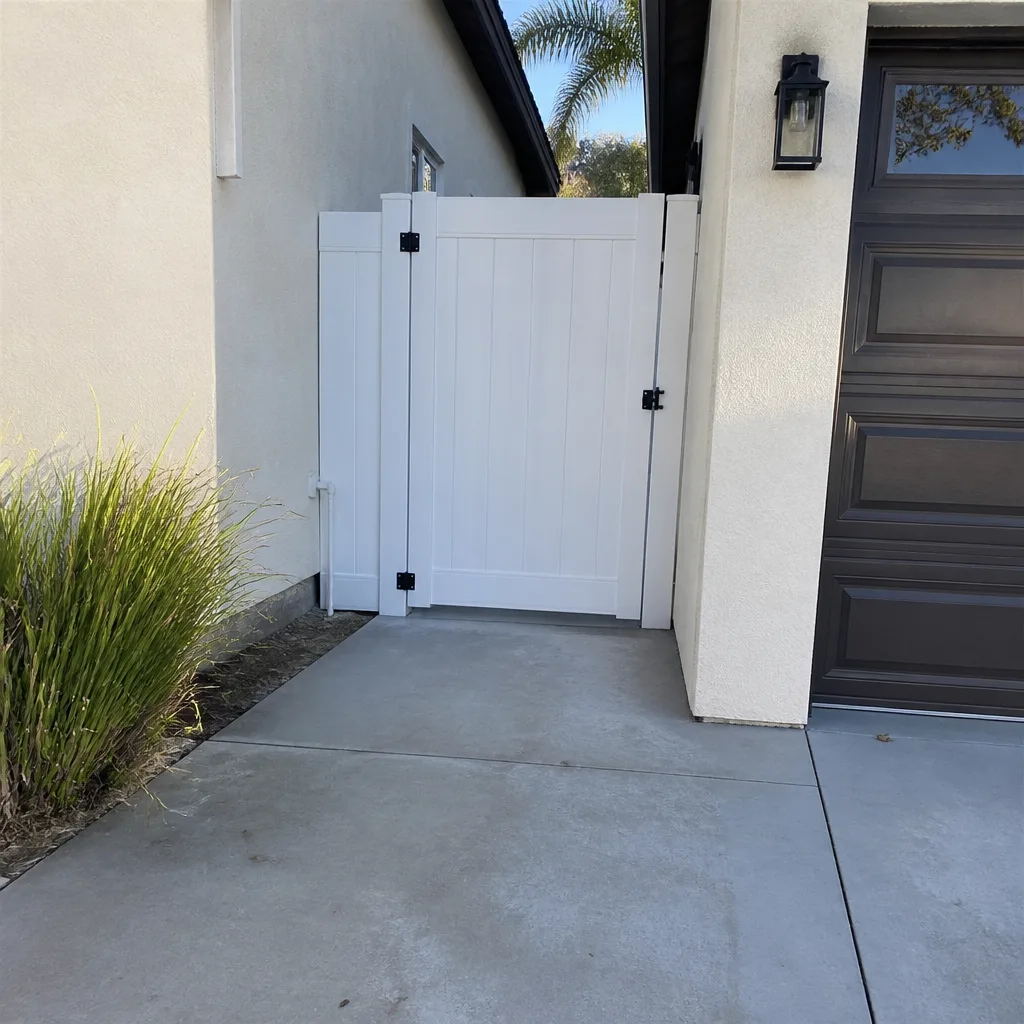 After
After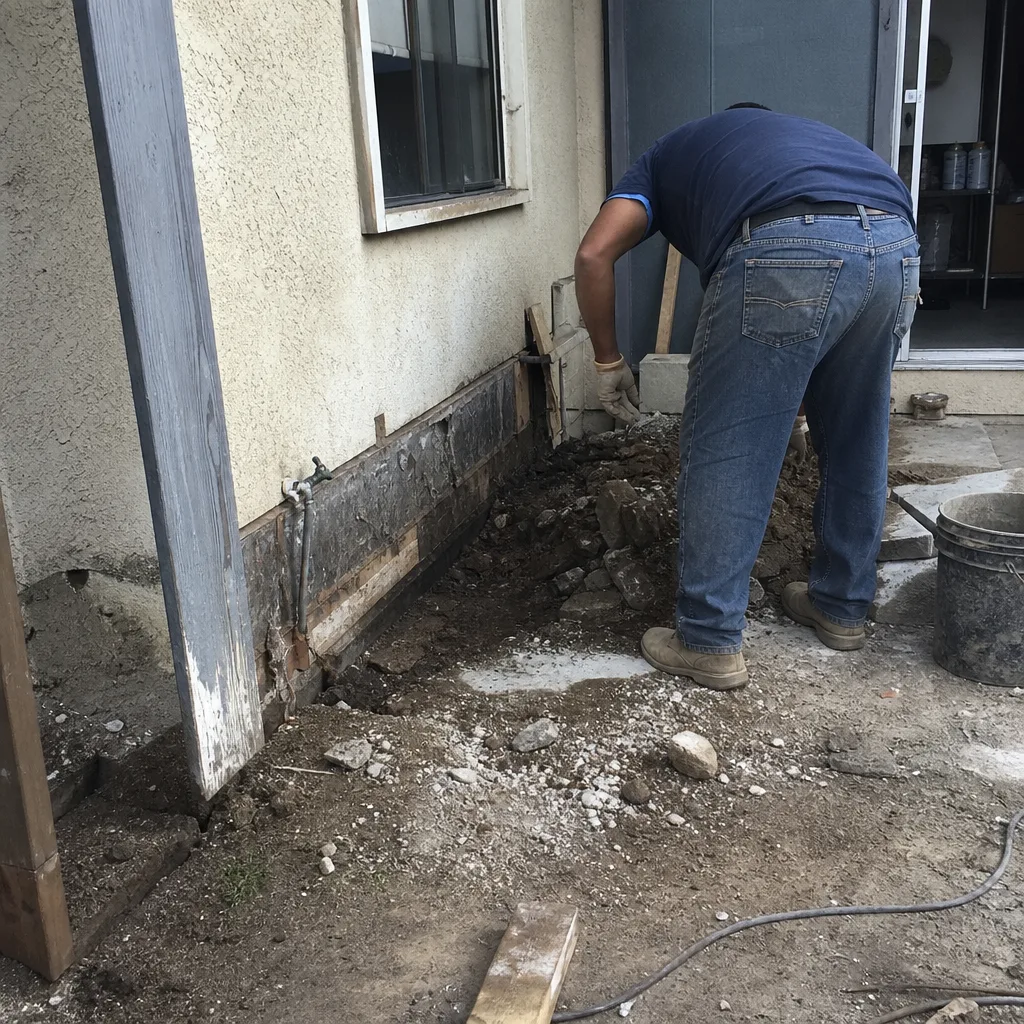 Before
 After
AfterReplacement Cost & What’s Included
For a full Tuff Shed paver driveway in Riverside, figure $7,000 to $18,000 installed. A shed-only paver pad, maybe 8 by 10 feet up to 12 by 16 feet, lands most often between $2,500 and $6,000 because the excavation is smaller but the minimum equipment and material delivery costs still apply. What drives the number up: the depth of excavation needed to remove failed base, whether we can reuse your existing pavers, and the paver line you select. Belgard’s more architectural patterns run higher per square foot than a standard 4×8 tumbled paver. We’re occasionally asked to do partial repairs, like replacing a 40-square-foot section of sunken pavers, and those jobs run $1,200 to $3,500 with re-compaction of the base. Every quote is a written line-item price before we start, and the work carries the 365-Day Done Right Promise: if the paver field fails inside that window, we fix it at no charge. You also get a free second visit if a repair fails, no service call, no re-inspection fee.
DIY or Call Us?
Here’s where we’d split it. You can safely handle some baseline checks: clearing debris from the paver edge restraints, sweeping new sand into dry joints, and checking whether your downspout is dumping water right onto the pad (we see that constantly in Riverside’s older Arlington-area homes). Those are maintenance items. Lifting pavers, re-compacting base, or replacing structural edge restraints is where DIY goes sideways, mostly because you can’t get proper compaction with a hand tamper. If the base isn’t compacted to the right density, the new pavers will fail again inside a year. That’s a $2,000 mistake to save $500. Give us a call at (341) 895-1170 and we’ll send someone out to look, measure, and give you a number before we pick up a tool. You can decide from there with real information.
FAQs
A properly built paver driveway in Riverside should last 20 to 30 years with occasional joint sand replacement. The heat and clay-heavy soils here shorten the life of the base, not the pavers, so the real variable is what’s under the surface. If the base was compacted correctly and the edge restraints hold, the pavers themselves almost never wear out. Call (341) 895-1170 if you suspect your base was never built to spec, and we’ll confirm what’s happening underneath before recommending anything.
Yes, in most cases we can repair the failing section rather than replace the whole pad. We lift the affected pavers, re-compact the base, add fresh bedding sand and edge restraint, and reset the pavers. If the existing pavers have shifted so far that matching the pattern looks off, we’ll tell you that honestly and quote the full pad instead. Call (341) 895-1170 and we’ll measure it out and give you both numbers.
Most shed-pad repairs and replacements take one to two days on site, assuming we’re not chasing a major drainage issue. A full driveway is typically three to five days depending on the paver pattern and whether we’re doing the whole field or a section. We’ll give you the schedule in writing with the quote.
We stock common 4×8 and 6×9 tumbled pavers in the colors most often used around Riverside, and we source Belgard and Unilock patterns from local distributors the same week. If your existing paver was discontinued, we’ll pull samples and match the closest stone that reads the same from ten feet away. The brands we regularly work with, like KraftMaid and Cambria in kitchens and Belgard in hardscape, all fall under the same rule: we’d rather tell you it doesn’t match than pretend it does.
Written by Trevor Nash, Owner, Penhallow Remodeling Riverside at Penhallow Remodeling Riverside, serving Riverside and nearby areas.