Last updated October 15, 2026








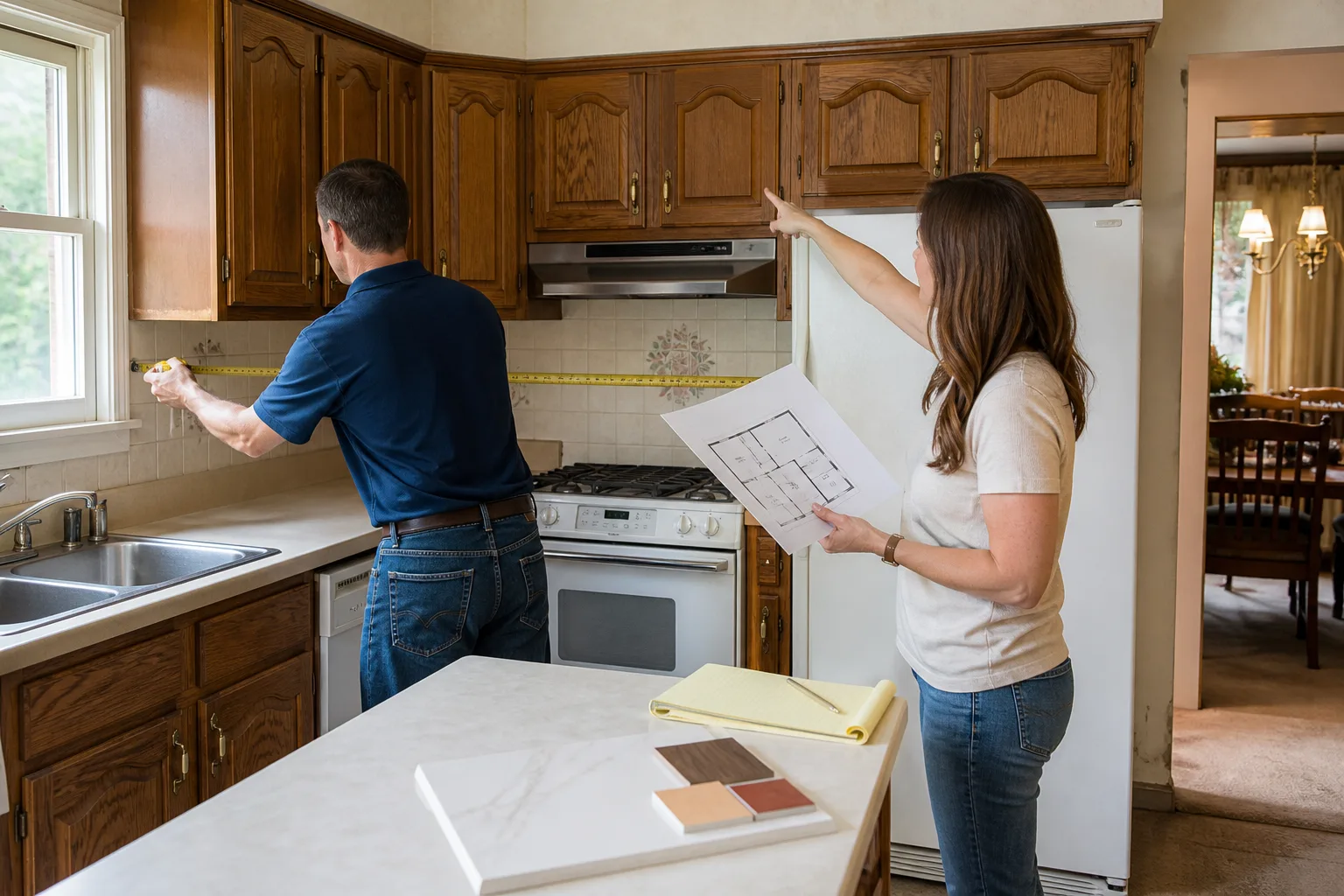
Free written scope consultation - allowances, timeline, and change-order rules on paper before a single trade is scheduled
How to Hire a Construction Contractor in Riverside: A Step-by-Step Guide
The California Contractors State License Board logged over 17,000 consumer complaints in a recent year, and the single most common dispute wasn’t workmanship. It was a final bill that didn’t match what was discussed at the kitchen table. If you’re planning a kitchen remodel, bathroom renovation, or whole-home project in Riverside, this guide and our Complete Guide to Construction in Riverside give you the screening process that separates contractors who document everything from contractors who hope you won’t ask. You’ll learn exactly what to verify, what language to demand in writing, and which questions reveal a contractor’s true colors before demo day.
Quick Answer
Hiring a construction contractor in Riverside comes down to four verifiable steps: confirm the California contractor license on the CSLB website, require a written fixed price before any work starts, get a written workmanship guarantee that lasts at least a year, and put arrival expectations in the contract itself. A contractor who won’t commit to those four things in writing has already shown you how the project will end. Everything else, from references to brand names, matters only after those boxes are checked.
Styles & brands we work with






Table of Contents
- How to Verify a California Contractor License in Riverside
- The Written Price Test: What Separates a Real Bid from a Guess
- Contract Language That Protects You, and Language That Doesn’t
- Why the Arrival Window Belongs in the Contract
- What a 365-Day Workmanship Guarantee Should Actually Cover
- Questions to Ask Riverside References That Actually Reveal Something
- Permits and Inspections: The Tell That Separates Pros from Pretenders
- Red Flags That Show Up Before the Contract Does
How to Verify a California Contractor License in Riverside
The first step takes less than three minutes, and skipping it is the most expensive mistake you can make. Every contractor doing work over $500 in labor and materials in California must hold a valid license from the Contractors State License Board, or CSLB. The verification process is free, public, and available online at cslb.ca.gov. Here’s the step-by-step:
- Go to cslb.ca.gov and click “Check a License” on the homepage. You’ll need the contractor’s name or license number. The license number should be on their business card, their website, and their truck. If it’s missing from all three, that’s your first red flag.
- Match the name exactly. The name on the license must match the name on the contract. Not “similar to” the name. Not a trade name that sounds close. The CSLB database lists the exact entity name, and that’s the name that belongs on your paperwork.
- Check the status. The license must be “Active.” Suspended, expired, or revoked licenses mean the contractor cannot legally accept your project. The CSLB database also shows bonding and insurance status, which should be current.
- Check the classification. This is where Riverside homeowners get tripped up. A contractor with a C54 (Tile) license is licensed to install tile. They are not licensed to remodel your entire bathroom. Riverside homeowners planning a kitchen or bathroom remodel need a B, General Building Contractor, which authorizes a contractor to oversee multiple trades on one project. If a contractor only holds a specialty license, they cannot legally pull permits for a whole-room remodel.
In our experience at General Contractor in Riverside, homeowners who check the license before signing a contract almost never end up in CSLB disputes. The homeowners who skip the check are the ones who find out during a dispute that the contractor was never licensed at all. The CSLB’s “Find My Licensed Contractor” tool also shows if the contractor has any disciplinary actions or judgments against them. Read those. They’re public for a reason.
One more Riverside-specific note: the city requires building permits for structural changes, electrical work, plumbing changes, and anything that modifies the footprint of your home. A licensed contractor who says you can skip the permit is telling you they’re willing to cut corners. The permit protects you, not the contractor. If a contractor suggests working without one, thank them for their time and move on.
The Written Price Test: What Separates a Real Bid from a Guess
Here’s the thesis of this entire guide: the written price is the hiring test. A contractor who won’t hand you a fixed number in writing before work starts has already told you how the job will end, because verbal estimates have a way of growing once the old cabinets are in the dumpster and the drywall is open.
In Riverside, a kitchen remodel typically runs $18,000 to $55,000 depending on layout, cabinet line, and countertop material-details we break down further in our Construction Cost Breakdown: The Riverside Homeowner’s Reference for 2026. A bathroom remodel typically runs $12,000 to $30,000. Those ranges exist because the price depends on choices you make: are you pulling a shower tray out and putting in a tiled pan with a cement board substrate (the moisture-resistant layer behind your tile)? Are you keeping the existing footprint or moving plumbing? Are you choosing stock cabinets or custom from KraftMaid or Wellborn? Every one of those decisions moves the number.
A real contractor gives you a written price that accounts for those specifics. A vague contractor gives you a range and a shrug. Here’s the language to listen for:
- “I’ll get you a number when we open the walls.” Translation: you’ve already committed, and the number won’t matter to them once demo starts.
- “It’ll probably run somewhere between…” Translation: you’re about to finance their discovery process.
- “I’ll need to see it once we’re in there.” Translation: the price is coming, and it’s higher than the estimate.
A written price means a specific dollar amount on a document, signed by the contractor, before any demolition, any deposit, or any scheduling. Not an estimate range. Not a verbal ballpark. A number you can hold them to. At Penhallow Remodeling Riverside home, we put the price in writing before a single cabinet is pulled, because a price that changes at the door isn’t a price. It’s a sales tactic.
Contract Language That Protects You, and Language That Doesn’t
A California home improvement contract is a legal document, and the language inside it tells you how the contractor intends to treat you. There are terms that protect homeowners and terms that protect contractors from homeowners who ask questions. Here’s the language to look for, and the language to reject.
Language that works in your favor:
- “Fixed price” or “lump sum.” The total project cost is stated as a specific dollar amount. If the contractor hits an unexpected condition (dry rot behind the siding, old wiring behind the drywall), the fix is handled through a written change order that you approve before the work happens.
- “Written change order required for any additional work.” This protects you from surprise charges. No signed change order, no additional cost. If it’s not in writing, it didn’t happen.
- “Payment schedule tied to milestones.” You pay a percentage at contract signing, a percentage at rough inspection, a percentage at final inspection. Never pay the full balance before the work is complete and the permits are signed off.
- “Contractor to obtain all required permits.” The contractor pulls the permits, schedules the inspections, and is responsible for closing them out. If the contractor asks you to pull the permit in your own name to save money, that’s a red flag: it makes you the legal party of record and shifts liability to you.
Language that signals trouble:
- “Allowances.” An allowance is an amount the contractor “allows” for a material, like tile or fixtures. If your tile allowance is $4 per square foot and you pick tile at $11, you pay the difference. Allowances aren’t dishonest, but they create a moving price. Ask for the allowance numbers in writing, and ask what happens if you exceed them. Better yet, pick all materials before signing so the contractor can price the actual tile, not a guess.
- “Time and materials.” This means you pay by the hour plus whatever the materials cost. There is no incentive for speed, and there is no cap on cost. Time and materials has a place in very small, uncertain repairs. It has no place in a Riverside kitchen or bathroom remodel.
- “Subject to change.” Three words that undo the entire purpose of a written contract. If the price is subject to change, it’s not a price. If the scope is subject to change, it’s not a plan. Reject contracts with this phrase, or strike it out and initial the change.
We’ve seen too many Riverside homeowners sign contracts that read like a list of reasons the contractor can charge more. A contract is supposed to do the opposite. It’s supposed to be the document that makes the final bill match the number you agreed to at the kitchen table.
Why the Arrival Window Belongs in the Contract
Price is the most common dispute, but scheduling reliability is the most common frustration. A contractor who says “we’ll be there sometime next week” and then shows up on a different week entirely has cost you days of work, days of rescheduled meetings, and the slow burn of waiting by the door. In Riverside, where summer temperatures regularly exceed 95 degrees and nobody wants a half-disassembled kitchen in July, delays compound-one reason we published Seasonal Construction Care for Riverside: Year-Round Homeowner’s Guide.
The fix is embarrassingly simple: put the arrival window in writing. A defined arrival window means the contractor commits to being there on a specific day, within a specific time range, and the contract reflects that commitment. If the crew doesn’t arrive in the window, there’s a documented breach, and you have a written record instead of a shrug and an excuse.
Here’s how to write a punctuality clause into your contract, in plain language:
- State the start date and time range. “Work will begin on the week of [date], with crews arriving between 7:30 and 8:30 AM.” Be specific. “Sometime next month” is not a schedule.
- State the consequence of missing the window. “If the contractor fails to arrive without 24 hours’ notice, the homeowner may deduct [amount] from the final payment.” The amount doesn’t have to be punitive. $50 or $100 per missed arrival is reasonable and legal if both parties agree to it in writing before signing.
- State the expectation for every day after. “Crews will maintain a consistent daily arrival window of [time] unless the homeowner agrees otherwise in writing.” This turns a vague hope into a contractual obligation.
Does this sound aggressive? It shouldn’t. A contractor who shows up when they said they would doesn’t fear this clause. A contractor who knows they’re overcommitted across three projects in Riverside and Temecula will bristle. That bristling is information.
At Penhallow Remodeling Riverside, we give every homeowner a defined arrival window before work starts, because “sometime next week” isn’t how you treat adults. This is part of The Kingswell Way, the operating standard we’ve followed since 2004: say the price before the work, show up in the window we gave, leave the place cleaner than we found it.
What a 365-Day Workmanship Guarantee Should Actually Cover
“We stand behind our work” is the most common phrase in contractor marketing, and the most meaningless. Standing behind something doesn’t tell you what happens when the tile cracks or the cabinet pulls loose. A warranty with teeth names the duration, names what’s covered, and names exactly what happens if something fails.
Here’s what a 365-day workmanship guarantee should include in writing:
- A defined term. 365 days means 365 days. Not “as long as it holds up” and not “within a reasonable time.” A specific number, printed in the contract.
- A defined scope. Workmanship covers the labor, not normal wear and tear, not homeowner-caused damage, and not defects in materials that carry their own manufacturer warranties. A good contract lists what’s covered (installation, joinery, setting, waterproofing) and what’s not (scratches, misuse, Acts of God).
- A fix-it obligation. The guarantee should state plainly: if the installed work fails within the warranty period, the contractor returns and repairs it at no charge. No service call fee. No re-inspection fee. No hesitation. That’s the clause.
- A free second visit. If a repair fails a second time, the contractor returns again, also at no charge. Some warranties end after the first fix. A real guarantee doesn’t.
Product warranties layer on top of this. Cambria quartz carries a lifetime warranty against manufacturing defects. James Hardie siding carries a 30-year non-prorated warranty on the product. Kohler and Moen fixtures have limited lifetime warranties on their finishes and valves. Those come from the manufacturer, and a reputable contractor installs the products so that the warranties stay valid. A bad install voids a product warranty, which is why workmanship and materials work together.
At Bathroom Remodeling in Riverside, we include a written 365-Day Done Right Promise on every project. If it’s not done right, we make it right. That’s the entire guarantee, and it’s backed in writing, not in a handshake.
Questions to Ask Riverside References That Actually Reveal Something
Everyone asks references the same three questions: Did they show up? Did they finish on time? Would you hire them again? Those are fine, but they’re shallow. A happy reference will answer them warmly, and a contractor’s worst enemy will still produce three people who’ll say nice things. The real questions probe for specific, verifiable behaviors:
- “What was the original written price, and what did you actually pay at the end?” This reveals whether change orders appeared mid-project and whether the reference approved them. If the final bill matched the written price, that’s a contractor worth hiring. If it didn’t, ask why not. Listen for the reference’s tone. Resentment is hard to hide.
- “Did the crew arrive within the window they gave you?” Not “were they on time overall.” The window. Every day. References who hesitate, laugh, or hedge are telling you the truth, whether they mean to or not.
- “Who pulled the permits, and did the inspector pass it the first time?” A contractor who pulls permits and passes inspections is a contractor who follows the rules. A reference who doesn’t know who pulled the permit might not have had permits pulled at all. That’s a problem in the city of Riverside, where the Building and Safety Division enforces the California Residential Code.
- “What happened after the job was done, when something needed fixing?” Every project has a punch list. The question is whether the contractor returned promptly to handle it. A reference who says “we couldn’t get them back for six weeks” is making your decision for you.
- “Would you let their crew in your house when you weren’t home?” This gets at trust directly, and the answer matters more in Riverside, where homeowners often leave for work in Orange County or Ontario and aren’t on-site to supervise. A reference who trusts the crew unsupervised is the strongest endorsement possible.
When you call references, do it by phone, not by email. People reveal more in conversation than in written replies, and a good question asked politely gets an honest answer. Two references per contractor is the floor. Three is better. If a contractor can’t produce two references for similar projects in Riverside or the Inland Empire, they’re either new or hiding something. Either way, you’re the one taking the risk.
Permits and Inspections: The Tell That Separates Pros from Pretenders
In Riverside, permits are not optional. The city requires building permits for any project that changes the structure, electrical, plumbing, or mechanical systems of your home. A kitchen remodel that moves a sink or adds a circuit needs a permit. A bathroom remodel that relocates a drain or replaces a shower valve needs a permit. Whole-home remodels need permits for nearly everything.
Some contractors will tell you permits aren’t necessary. They’ll say “it’s just a refresh” or “nobody pulls a permit for that.” What they’re really saying is: I don’t want the city inspecting my work, because I know what the inspector will find. Or: I don’t want to wait for the review process because I have three other jobs lined up. Neither answer protects you.
Here’s what permits actually do for the Riverside homeowner:
- Code compliance. The inspector verifies that the work meets the California Residential Code. That’s a third-party check on the contractor’s work, paid for by your permit fee, not by your contractor. If the work fails inspection, the contractor fixes it before the final sign-off.
- Insurance validity. If a non-permitted project causes damage (a leak, a fire, a structural failure), your homeowners insurance can deny the claim. The policy language often states that the home must comply with local building codes. Non-permitted work violates the policy.
- Resale protection. When you sell your home in Riverside, the buyer and their inspector may ask for permits on any work that required them. Unpermitted work is a negotiating chip against you, and sometimes a deal-killer. Permitted work with a final sign-off is a selling point.
A legitimate contractor pulls the permits in their own name, schedules the inspections, and doesn’t bill you extra for the privilege. At Kitchen Remodeling in Riverside, permits are part of the job, not an add-on. The permit fee goes to the city. The inspection schedule is our responsibility. When the final inspection passes, that’s the moment the project is truly done.
Red Flags That Show Up Before the Contract Does
Most contractor disasters are predictable. The signs appear early, before any money changes hands, if you know what to look for. Here are the specific red flags Riverside homeowners should never ignore:
- No license number on the truck, the card, or the website. Riverside requires contractors to print their CSLB license number on all advertising materials, including vehicles. If it’s absent everywhere, the contractor is either unlicensed or sloppy about rules. Neither bodes well.
- A deposit above 10% or $1,000, whichever is less. California law caps the down payment for home improvement contracts at 10% of the total or $1,000, whichever is lower. Any contractor asking for more is violating state law. That’s a one-strike disqualification.
- No physical address. A contractor who only gives a P.O. box or a cell phone number might be legit, or might be operating out of a truck with no fixed base. Riverside homeowners should be able to find the contractor’s business address and verify it exists. You don’t need to visit. You just need to know they have a place where a process server could find them. Sounds cynical. It’s practical.
- The rush. “I can start Monday if you sign today.” Riverside has a long permitting queue and a tight labor market, so a contractor who can start tomorrow is likely not pulling permits. A real project has a start date two to eight weeks out. Get the start date in writing, and don’t let anyone pressure you into signing before you’ve checked the license and read the contract.
- Vague material names. “Quality cabinets” means nothing. “KraftMaid cabinets with plywood boxes and soft-close hinges” means something. “Good tile” means nothing. “Ceramic floor tile in a 12×24 format with epoxy grout” means something. A contractor who won’t name the products is a contractor who plans to shop for the cheapest version of whatever they described.
The pattern is consistent: contractors who hide information in the sales phase hide problems in the build phase. The contractor who hands you a written price, names the materials, shows the license, and puts the arrival window in writing is the contractor who has nothing to hide and a process to follow. Hiring starts with the first conversation, not the first hammer swing.
Common Mistakes to Avoid
- Hiring the cheapest bid without reading the line items. A low bid often comes from a contractor who plans to substitute cheaper materials, skip permits, or discover expensive problems after demo day. In Riverside, where material costs track Los Angeles pricing without the Los Angeles wages, a bid that’s 40% below every other estimate is not a bargain. It’s a warning.
- Paying a deposit before checking the license. The license check takes three minutes on cslb.ca.gov. A contractor who wants the deposit before you’ve had time to run the check is a contractor who wants your money before you know who they are. Never reverse the order. License first. Deposit second.
- Accepting verbal assurances in place of written terms. “Don’t worry, I’ll take care of it” is not a contract term. If the contractor won’t write it down, the contractor won’t do it. This applies to price, to scope, to timeline, to warranty, and to anything else said at the kitchen table. Get it in writing or treat it as if it were never said.
- Letting the contractor talk you out of permits. The permit is your protection, and the inspector is your advocate. A contractor who wants to skip the permit wants to skip the oversight. Riverside’s code enforcement can put a stop-work order on an unpermitted project, which means your kitchen remodel freezes mid-demo while you try to untangle it. Permits are non-negotiable.
- Skipping the reference calls because the contractor “seems great.” Every contractor seems great at the estimate appointment. The reference call is where you learn whether the cuteness holds up over six weeks of demolition dust and drywall mud. Call at least two references. Ask the specific questions. Listen to the pauses.
- Signing a contract with blank lines or “TBD” in the scope. Every project has unknowns, but those unknowns go in the change order process, not in the contract. A contract with TBD for the cabinet line, the countertop material, or the plumbing fixtures is a contract without a real price. Pick the materials, then sign the contract. Brands like Cambria, Silestone, and Caesarstone come at three different price points, and the difference is thousands of dollars. Decide before the contract, not after.
- Downloading a generic contract template and assuming it covers you. California has specific consumer protection laws for home improvement contracts, including the three-day right to cancel, the down payment cap, and mandatory disclosures. A generic online template may not include all of them. A CSLB-compliant contract is the minimum standard. Ask the contractor if their contract is CSLB-compliant, and read it top to bottom before signing.
See the difference
 Before
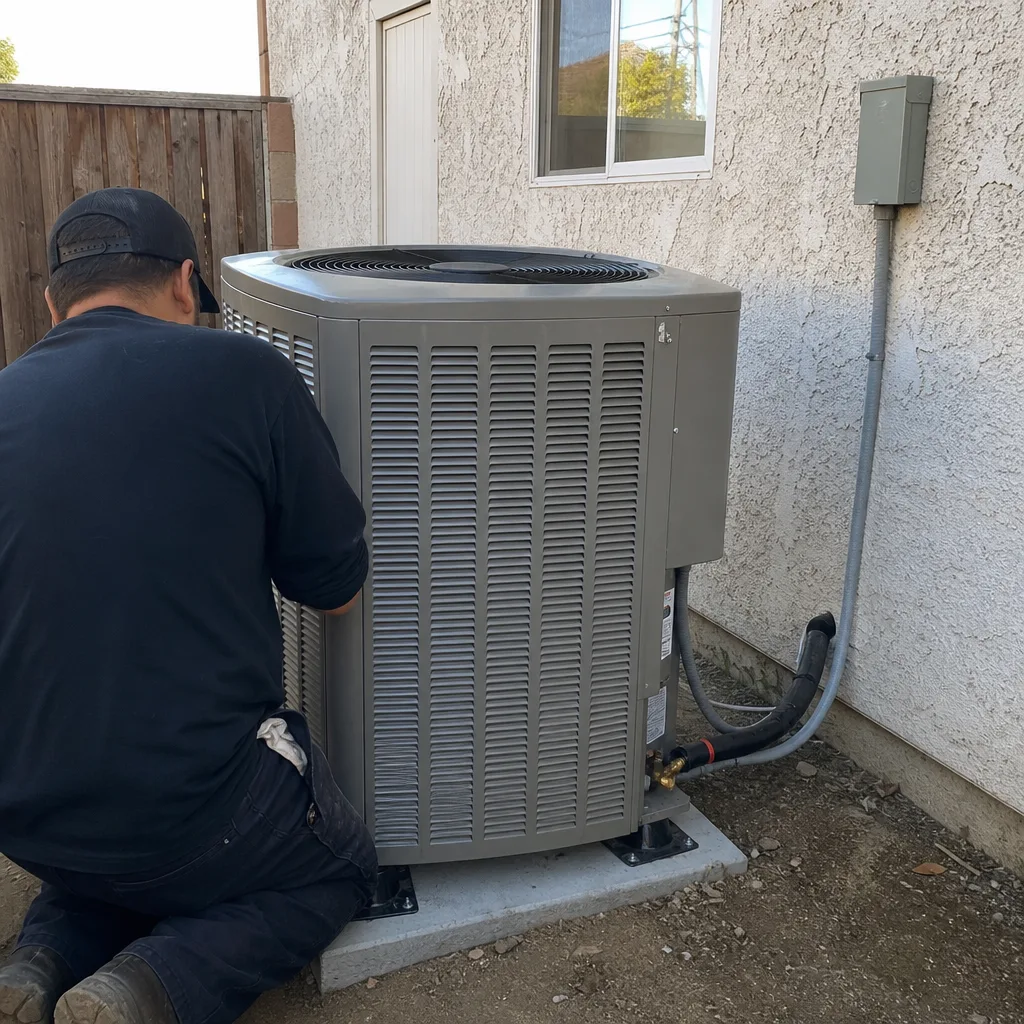 After
After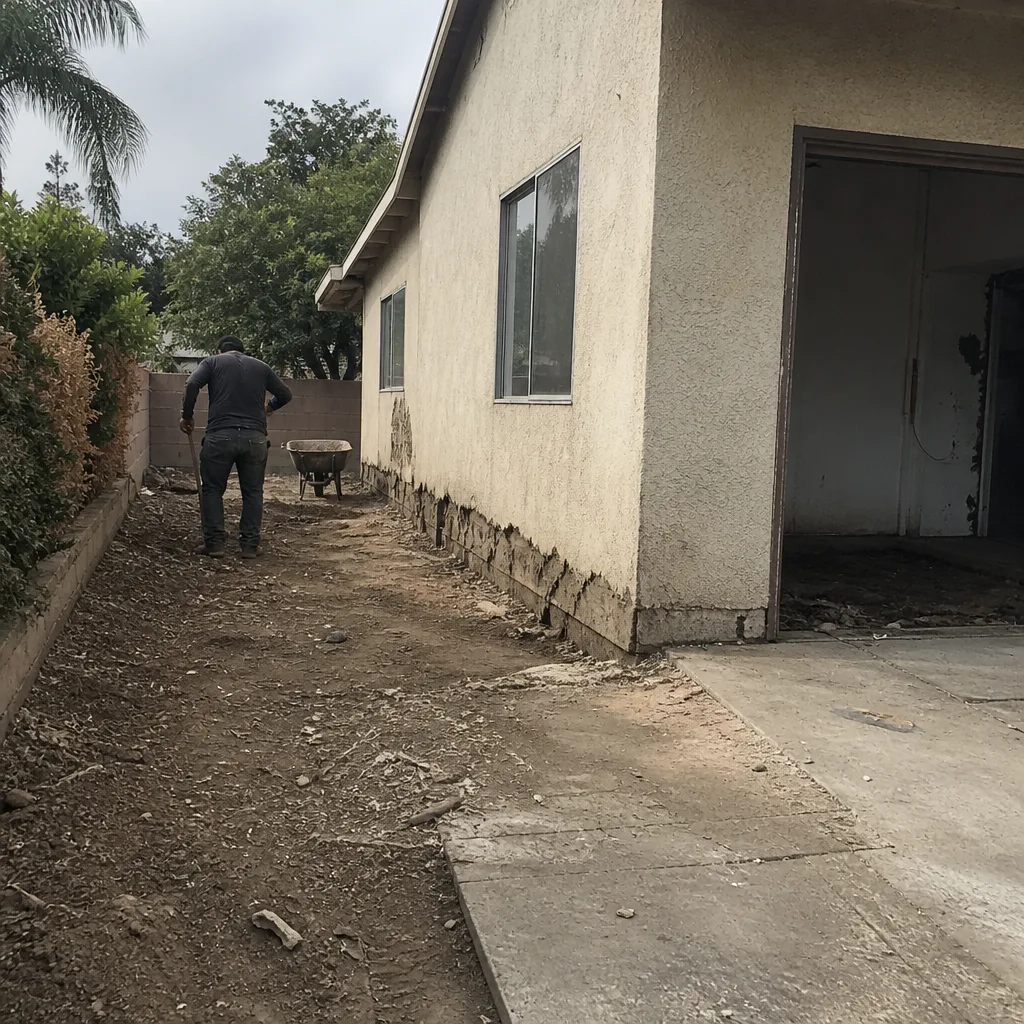 Before
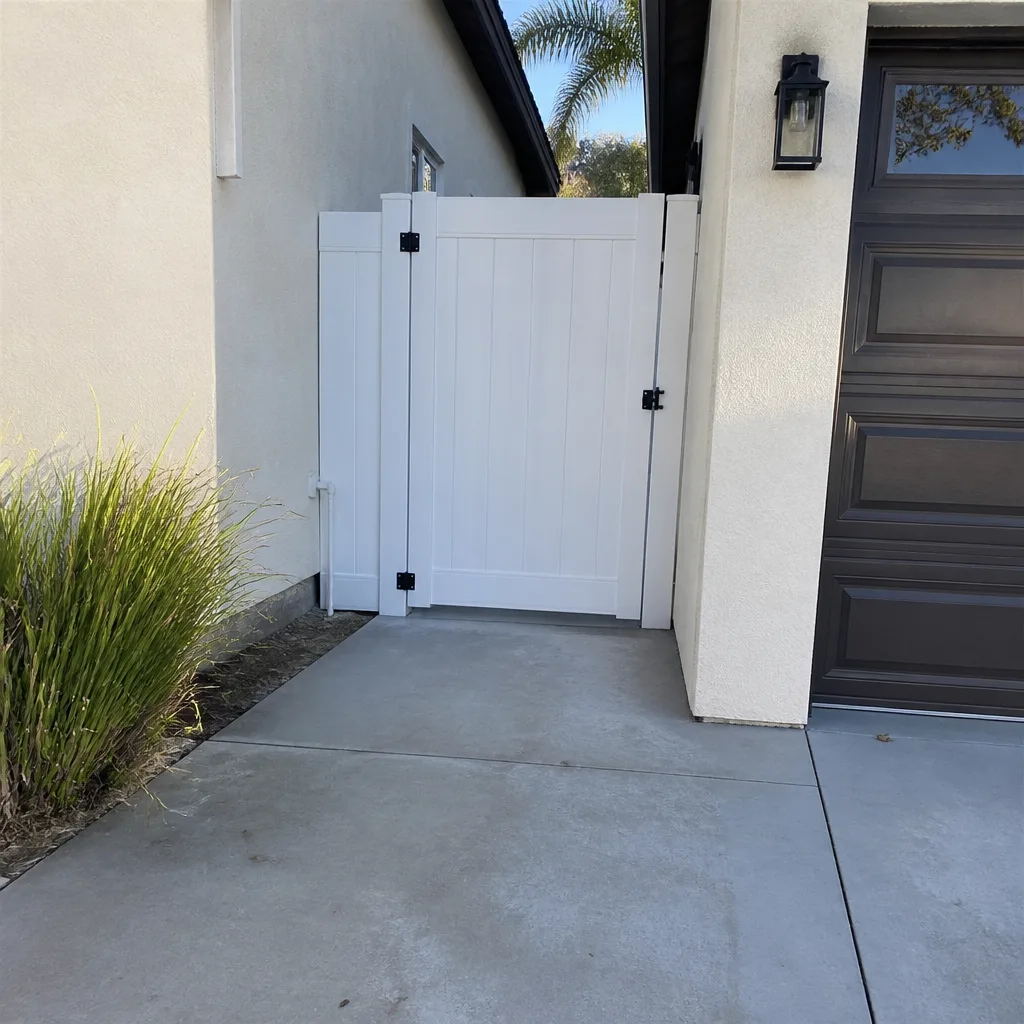 After
After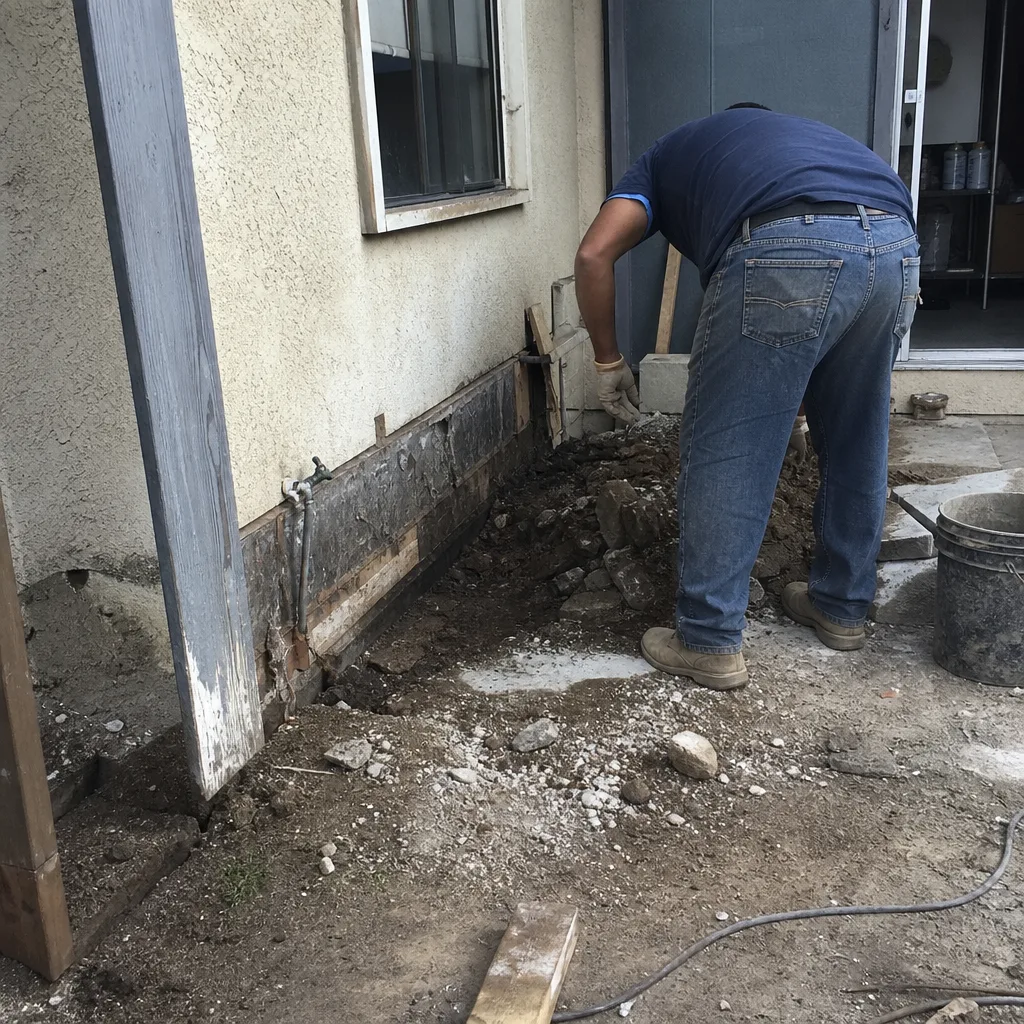 Before
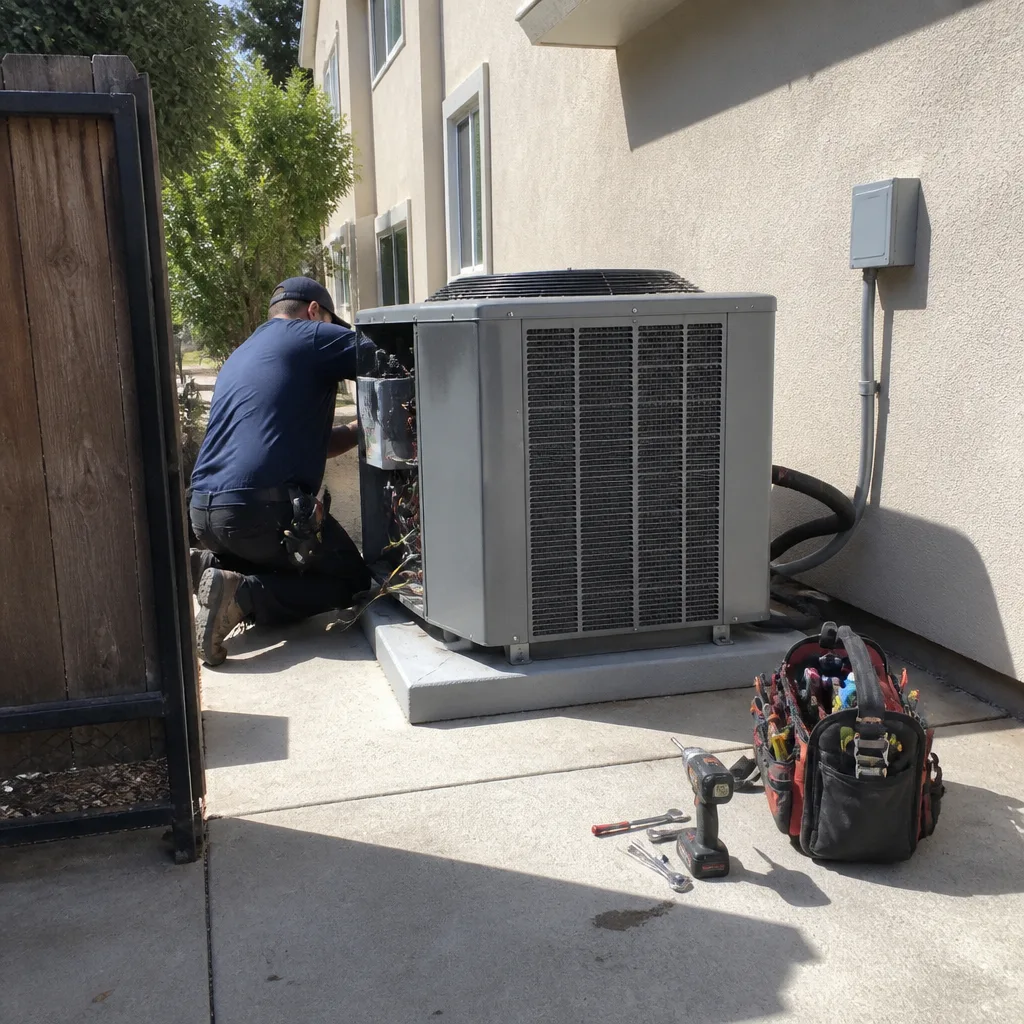 After
AfterWhen to Call a Professional
Some projects genuinely need a licensed contractor from day one, and trying to act as your own general contractor saves money on paper and costs far more in practice. If your project involves moving plumbing, adding circuits, removing load-bearing walls, or waterproofing a shower, the stakes are structural and the mistakes are expensive. A Riverside homeowner coordinating their own sub-trades is accountable for every permit, every inspection, and every scheduling gap, and no subcontractor answers to you the way they answer to a general contractor. If you’re planning a kitchen or bathroom remodel, a whole-home renovation, or a project that changes the footprint of your home, bring in a General Contractor in Riverside before you touch a single wall. Penhallow Remodeling Riverside offers free estimates in Riverside, and every estimate includes a written price, a written guarantee, and a defined arrival window. Call (341) 895-1170 to schedule yours.
Frequently Asked Questions

Kitchen remodels in Riverside typically run $18,000 to $55,000, and bathroom remodels typically run $12,000 to $30,000, with the final number driven by cabinet line, countertop material, and whether you’re moving plumbing or electrical. Whole-home remodels start higher and scale with square footage and scope. Every project should carry a written fixed price before work starts, so the number on day one is the number on the invoice. Call (341) 895-1170 for a free, written estimate on your specific project.
Go to cslb.ca.gov, click “Check a License,” and enter the contractor’s name or license number. Confirm the license is Active, the name matches the contract exactly, and the classification is appropriate for your project, which for a kitchen or bathroom remodel should be a B, General Building Contractor. The database also shows bond and insurance status and any disciplinary actions. It takes under three minutes and costs nothing.
A typical kitchen remodel in Riverside runs eight to twelve weeks from demolition to final inspection, depending on the scope of the plumbing and electrical work and the lead time on custom materials. Cabinets from KraftMaid or Wellborn can carry a four to six week lead time, and Riverside’s permitting review typically adds two to four weeks before construction starts. A written contract should include a start date and a defined arrival window for every day after.
A legitimate contractor changes the price only through a written change order that you approve before the additional work happens. Unexpected conditions, like dry rot or old wiring, get documented, priced, and signed off as a change order, never as a surprise line item on the final invoice. If a contractor tells you mid-project that the price is going up without a change order, you have the right to say no. Call (341) 895-1170 if you want a contractor who puts the price in writing before any work starts.
Yes, if the remodel moves plumbing, relocates walls, or changes the electrical. Moving a drain, adding a circuit, or changing the shower valve all require permits from the city of Riverside. A licensed contractor pulls the permits in their own name and schedules the inspections as part of the project. Skipping permits voids your insurance on related damages and creates a resale liability when you sell the home.
A workmanship warranty should name a specific term, typically 365 days, and state plainly that if the installed work fails within that period, the contractor returns and fixes it at no charge. The warranty should cover labor and installation defects, not normal wear and tear, and should include a free return visit if the repair fails a second time. Product warranties from manufacturers like Cambria, Kohler, and James Hardie layer on top of the workmanship guarantee, and a good contractor installs products so those warranties stay valid.
The Bottom Line
Hiring a construction contractor in Riverside is not about finding the lowest bid or the fastest start date. It’s about finding someone who will document the price, the schedule, the materials, and the guarantee in a contract you can enforce. Check the license on the CSLB website in under three minutes. Require a written fixed price. Put the arrival window in writing. Read the warranty language and make sure it names a term and a fix-it obligation. And if a contractor resists any of those steps, that resistance is your answer. The contractor who hands you everything in writing before work starts is the contractor who has nothing to hide and a process worth trusting. For more guides & resources, visit our blog.
Written by Trevor Nash, Owner at Penhallow Remodeling Riverside, serving Riverside since 2004.