Free written scope consultation - allowances, timeline, and change-order rules on paper before a single trade is scheduled
GAF Driveway & Pavers: The Riverside Owner’s Guide
GAF driveway and paver installation in Riverside typically runs $7,000 – $18,000 for a full paver driveway, depending on square footage, base prep, and the specific GAF paver line you choose. We stock GAF-compatible driveway pavers and can usually start your project within one to two weeks of the estimate. Most Riverside homeowners discover they need this work after a few pavers start sinking, shifting, or cracking along the edges where the driveway meets the street.
You’ll notice it first as a low spot that pools water after rain, or a paver that rocks underfoot when you step on it. Over time, the sand jointing washes out, weeds push through, and the clean grid pattern starts wandering in ways that catch your eye every time you pull into the garage. That’s the moment to address it, before the base layer underneath starts eroding and the repair bill climbs into full re-excavation territory.
Key Takeaways:
- Full GAF paver driveway installation in Riverside: $7,000 – $18,000
- We install and match GAF paver lines, and we’re independent of GAF – not a factory-direct arm
- Every job gets a written price before work starts and a written guarantee after it’s done
- Failure almost always starts underneath the pavers, not in the pavers themselves
Which GAF Models This Applies To
GAF is best known for roofing, but their paver and hardscape division produces several interlocking concrete paver lines that have found their way onto Riverside driveways, walkways, and pool decks over the years. The compatibility question with pavers is less about a specific “model number” and more about thickness, pattern repeat, and color batch. Most GAF driveway pavers come in 60mm and 80mm thicknesses – thicker pavers are rated for vehicle traffic, and thinner ones belong on patios and walkways.
Here’s the gotcha we see regularly in Riverside: if your original installer mixed two color batches, or if you bought a partial pallet years ago and now need to patch a section, an exact color match across GAF batches is not guaranteed. Concrete absorbs pigment differently from run to run. We always recommend keeping a few spares from the original batch in your garage, and if you don’t have them, we’ll pull from the closest current batch and blend the repair area so the transition looks intentional rather than patchy.
On the OEM-versus-aftermarket question: for GAF pavers specifically, there’s no meaningful reason to chase aftermarket equivalents. The cost difference between OEM-adjacent paver lines and generic box-store pavers is narrower than most people expect, and the dimensional consistency on a GAF-type premium line is better – which matters when you’re fitting a replacement into an existing pattern. We source GAF-compatible pavers and can also work with comparative lines (Belgard, Unilock) if you want to see options side by side.
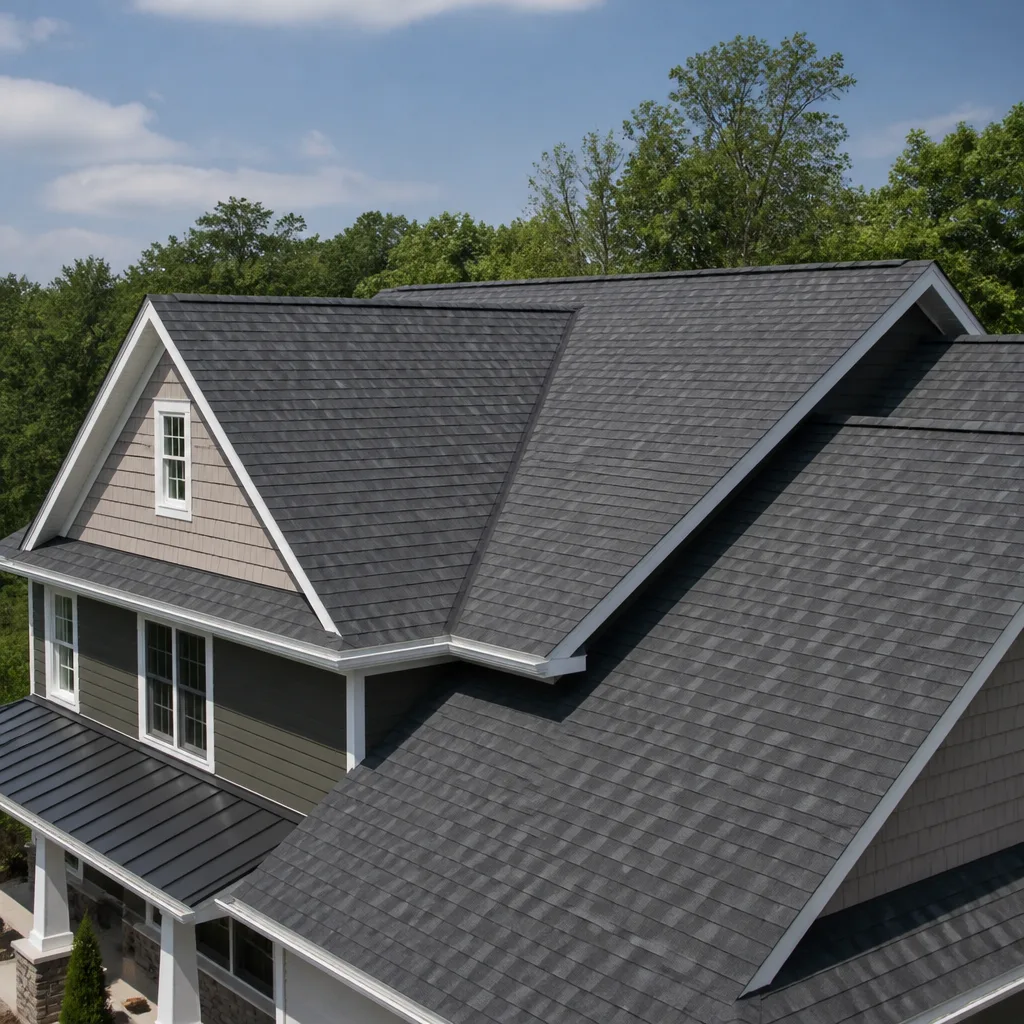
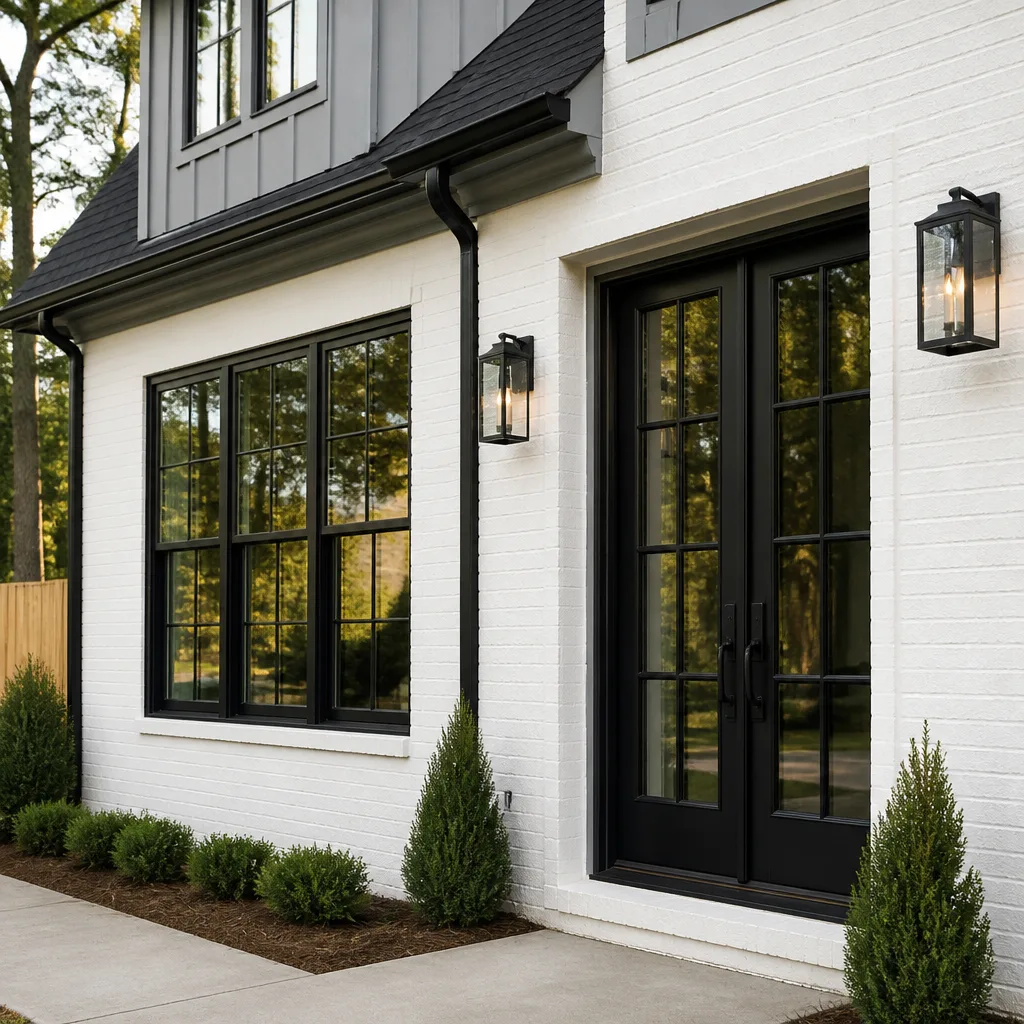
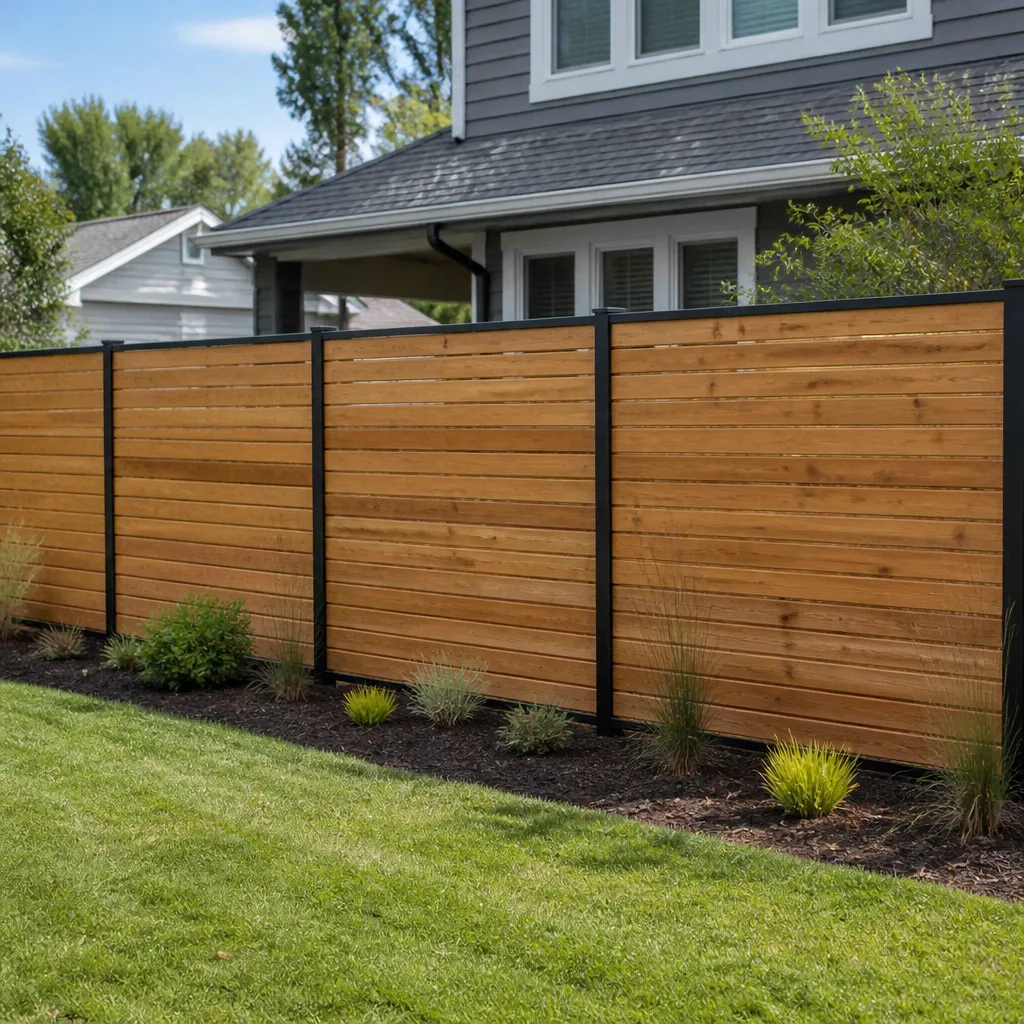
Styles & brands we work with
Signs Your GAF Driveway & Pavers Is Failing
- Sunken or dipping pavers, especially near the street apron. This usually means the compacted base underneath has settled or washed out. Riverside’s clay-heavy soil expands and contracts through wet and dry seasons, and a base that wasn’t properly compacted to begin with will show it here first.
- Pavers rocking or tipping when you step or drive on them. A single pivot point means the sand bedding layer has thinned beneath that paver. Left alone, the edges start chipping and the paver itself can crack under vehicle weight.
- Weeds or grass growing through the joints in patches. That’s the jointing sand failing. Once organic material takes root, it retains moisture and accelerates the washout around it. You’ll see this more in shaded driveways or near lawn edges.
- Widening gaps that no longer hold sand after rinsing or rain. Pavers spreading apart point to edge restraint failure – the border course or plastic edging that holds the whole field in tension has let go somewhere.
- Pavers cracked across the middle in straight lines. That’s not a material defect. It’s vehicle load on a section with a void underneath, which almost always traces back to a soft spot in the subgrade that was never addressed during original excavation.
See the difference
 Before
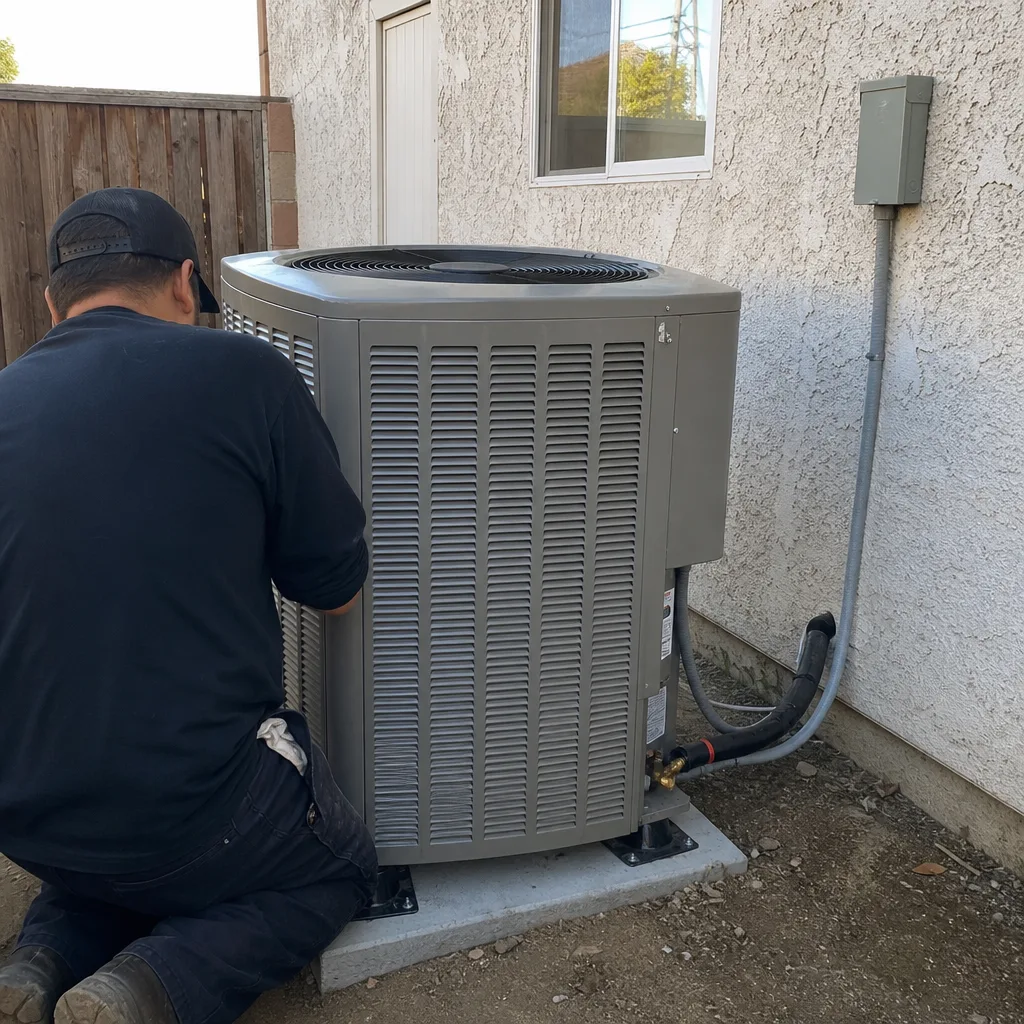 After
After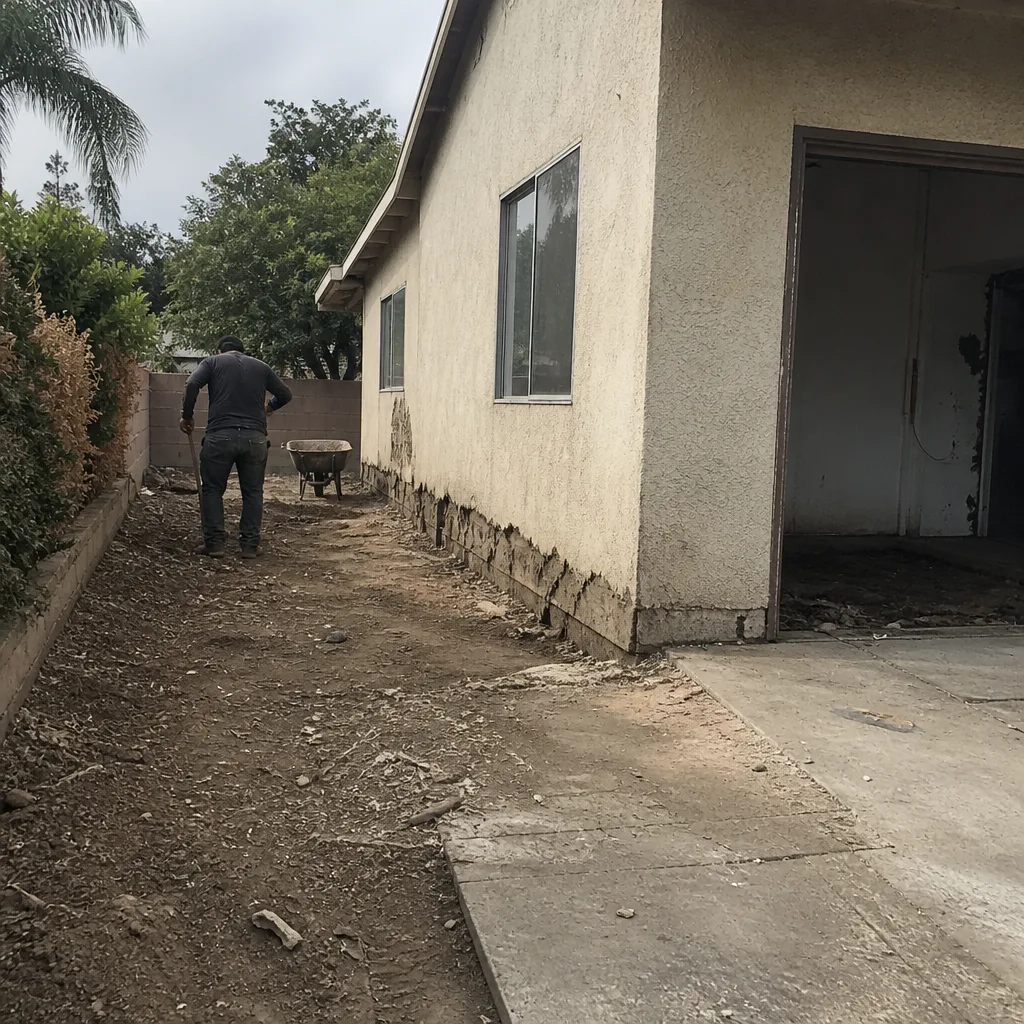 Before
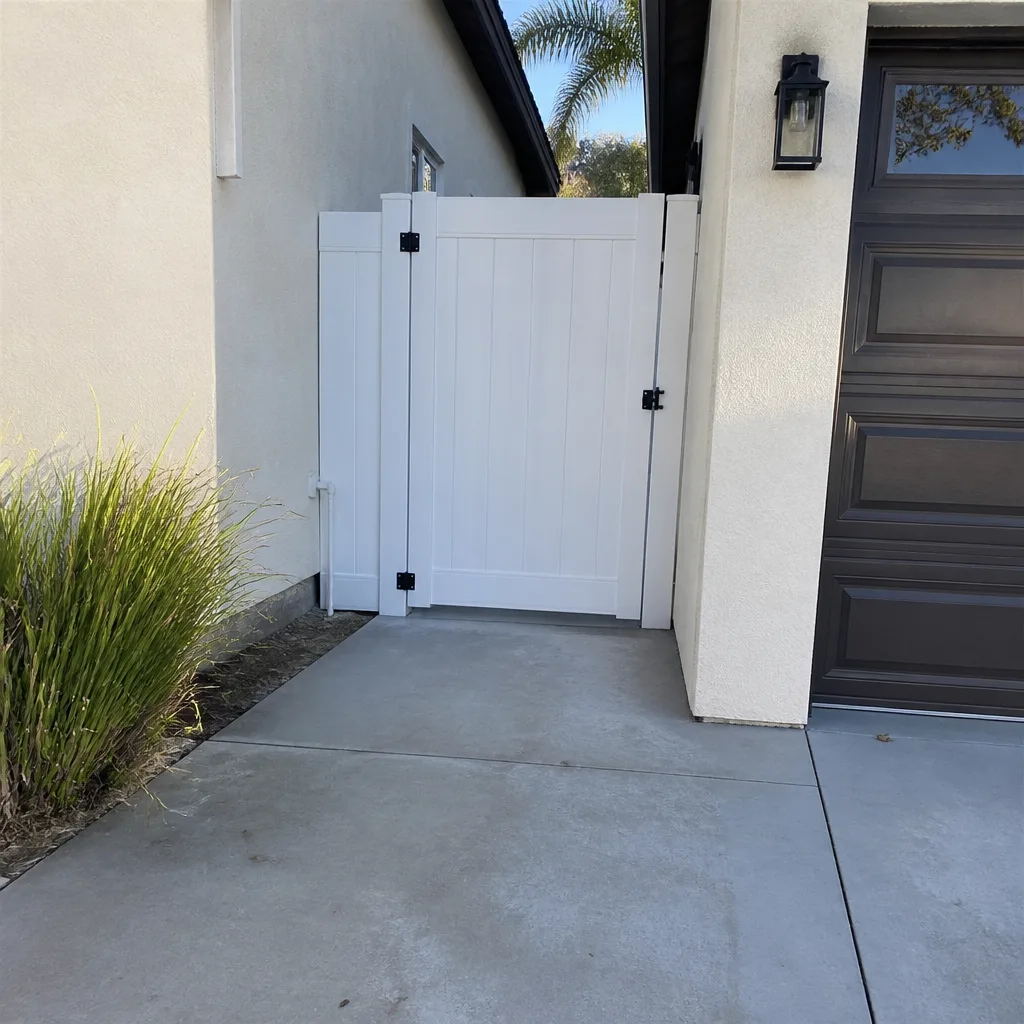 After
After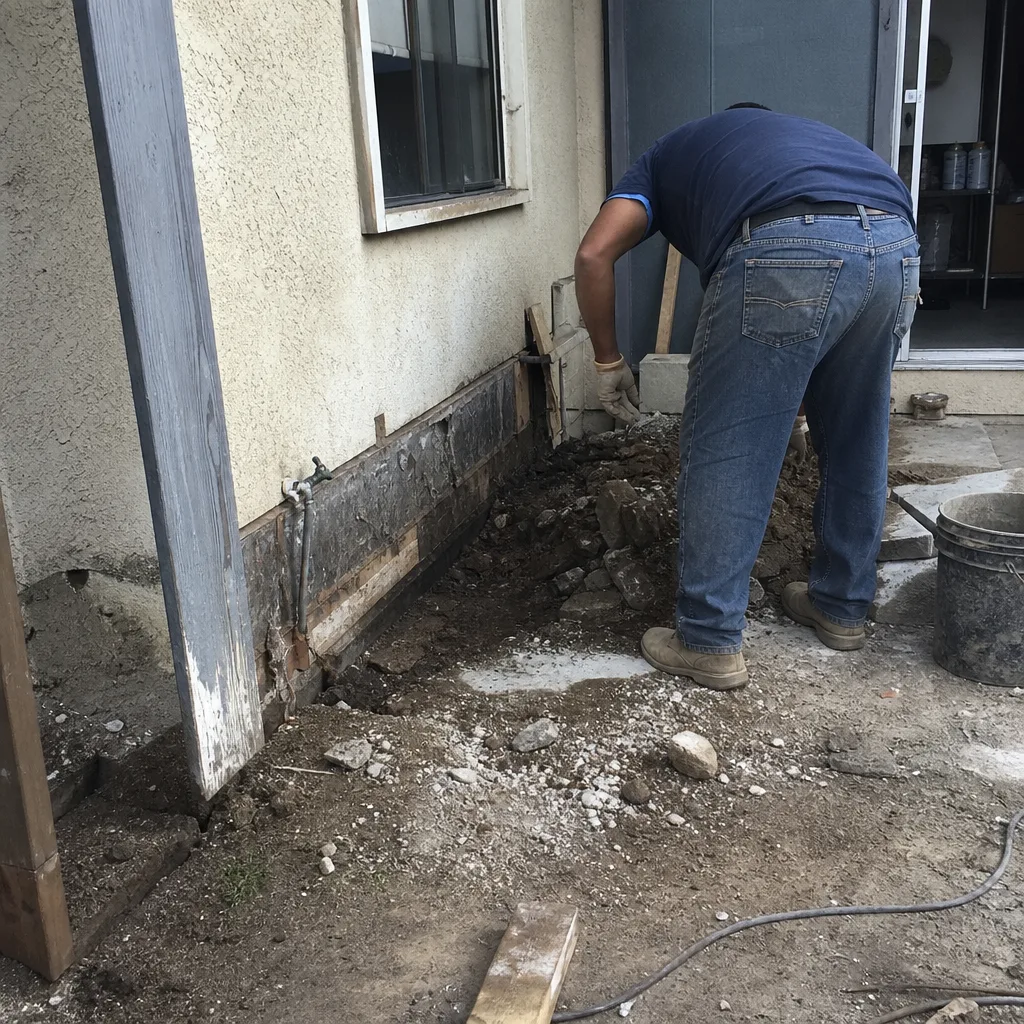 Before
 After
AfterReplacement Cost & What’s Included

For a full GAF-compatible paver driveway in Riverside, we tell homeowners to budget $7,000 – $18,000 installed. That range covers tear-out of the old surface, excavation to proper depth, gravel base compaction, sand bedding, the pavers themselves, edge restraint, and jointing sand. What moves the number: total square footage (a two-car driveway with a walkway approaches $18,000; a modest single-car pad sits closer to $7,000), access for equipment, and how much of the old base can be salvaged versus hauled away.
If you’re not replacing the whole driveway – say you need a section of sunken pavers lifted, the base re-compacted, and the same units relayed – that typically falls in the $1,500 – $4,000 range for a partial repair depending on how many square feet are involved. You’ll see that written as a single number before we start, not an estimate range that creeps.
Every paver project includes our 365-Day Done Right Promise in writing: if the work fails inside that window, we come back and make it right at no charge. And if a repair fails after we’ve been out, the second visit is free too.
DIY or Call Us?
Here’s the honest split. You can replace a single cracked paver if you have the original spare and the crack is isolated. You can pull a few pavers and re-sand a small low spot, and you can top off jointing sand in a walkway. Those are weekend jobs that don’t involve heavy equipment or a structural failure underneath. What you should not do is attempt to lift and re-grade a sunken driveway section yourself. Once you’re moving more than a few dozen pavers, you’re dealing with base compaction, drainage slope, and edge restraint – and the most common DIY failure we’re called in to fix is a driveway that looks flat but now sends water toward the foundation instead of toward the street. Water is patient and it will find whatever mistake you buried. A paver base rebuild isn’t dangerous like a garage-door spring, but it’s labor-intensive and if the drainage grading is wrong, the damage shows up inside your home. Call (341) 895-1170 and we’ll give you a number before we pick up a tool – that’s just how this works.
FAQs
A properly installed paver driveway in Riverside should last 25 – 30 years with basic maintenance, though the jointing sand will need topping off every 2 – 4 years. The pavers themselves rarely fail; what fails is the base and edging, and that’s a reflection of the original install quality. Call (341) 895-1170 if you’d like us to assess what’s under your current surface before it becomes a bigger problem.
Yes, in most cases. Sunken sections can be lifted, the base re-compacted and leveled, and the original pavers relayed – you only replace pavers that are cracked or chipped beyond use. If the base underneath was badly underbuilt, a partial repair may not hold long-term and a full rebuild of that section is the smarter spend.
Most GAF-compatible driveway teardowns and replacements run 3 – 5 working days from excavation through final jointing sand, depending on size and weather. We give you a defined arrival window before we start, and you’ll know the schedule before the first paver comes up.
We source the pavers directly and handle the entire material list – you’re not running to a supply yard or coordinating delivery windows. We will confirm the paver line, color, and quantity in your written estimate before any money changes hands. We also regularly work with hardscape materials from Belgard and Unilock, and our broader project work draws on trade brands like KraftMaid, Cambria, and Silestone.
Written by Trevor Nash, Owner, Penhallow Remodeling Riverside at Penhallow Remodeling Riverside, serving Riverside and nearby areas.