



Free written scope consultation - allowances, timeline, and change-order rules on paper before a single trade is scheduled
Plant Prefab Roofing: The Riverside Owner’s Guide
We stock and install Plant Prefab-compatible roofing materials in Riverside, with most component replacements running $400 – $1,800 installed depending on the panel section, membrane type, and how much of the surrounding flashing needs to be pulled and redone. Most owners discover a problem the hard way: a water stain on the ceiling after a Santa Ana wind event, a soft spot underfoot near a roof penetration, or daylight showing through a seam that never quite sealed right from the factory.
Plant Prefab builds homes in a controlled factory environment, which is a real advantage for consistency. But roof assemblies still get stressed in transit, and Riverside’s July heat does not forgive a membrane that was nicked during a crane set or a flashing detail that shifted on the truck. What we see most often is not a catastrophic roof failure. It’s a small failure that lets water in slowly enough that you don’t catch it until the drywall tells you.
Which Plant Prefab Models This Applies To

Plant Prefab’s residential product line includes the LivingHome series in multiple configurations, along with accessory structures and panelized home kits that rolled out over the past several years. The roofing system varies by model and production year. Earlier LivingHome models shipped with a low-slope roof assembly that relied on a single-ply membrane, usually a white TPO or a gray EPDM, mechanically fastened and heat-welded at the seams. Newer models use a standing-seam metal roof option on steeper pitches, and some accessory structures use an exposed-fastener metal panel system.
The compatibility gotcha we see in Riverside: the TPO membrane and the metal roof assemblies are not interchangeable without modifying the roof deck edge details. The edge metal, parapet caps, and scupper sizes were designed for a specific membrane thickness. If you replace a TPO panel section with a different membrane brand or thickness, the termination bar and cover strip often will not seat correctly. We match by measuring the existing membrane with a caliper, checking the weld pattern at the seams, and reading the panel label inside the roof hatch or at the eave, if it survives.
For OEM parts, Plant Prefab’s factory specifications call for the same membrane family the roof shipped with. For many owners, a quality aftermarket equivalent from the same manufacturer (a GAF, Carlisle, or FiberTite system, for example) performs just as well and costs less than chasing a factory part. The decision comes down to two things: whether the roof still carries a manufacturer warranty that would be voided by a non-factory membrane, and what is actually available. We’ll tell you plainly which is the better path for your specific model year.
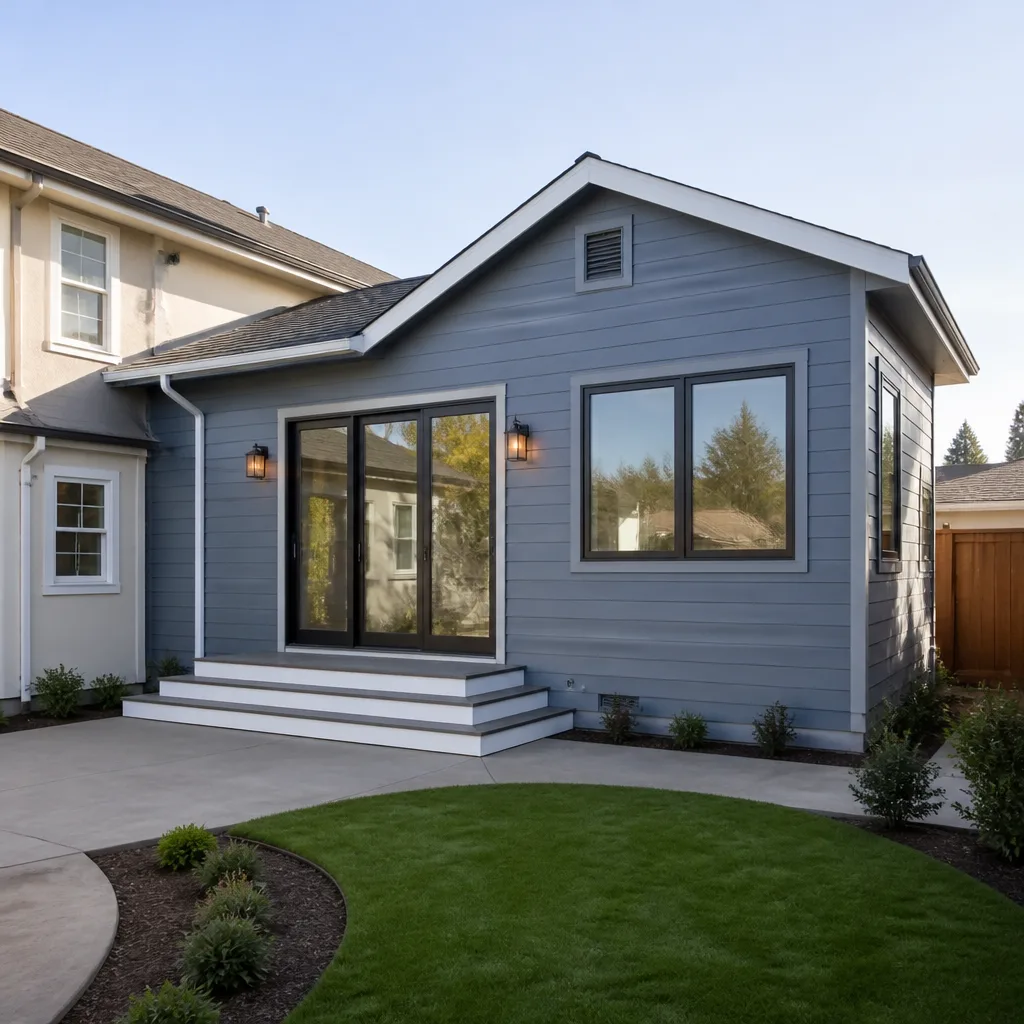
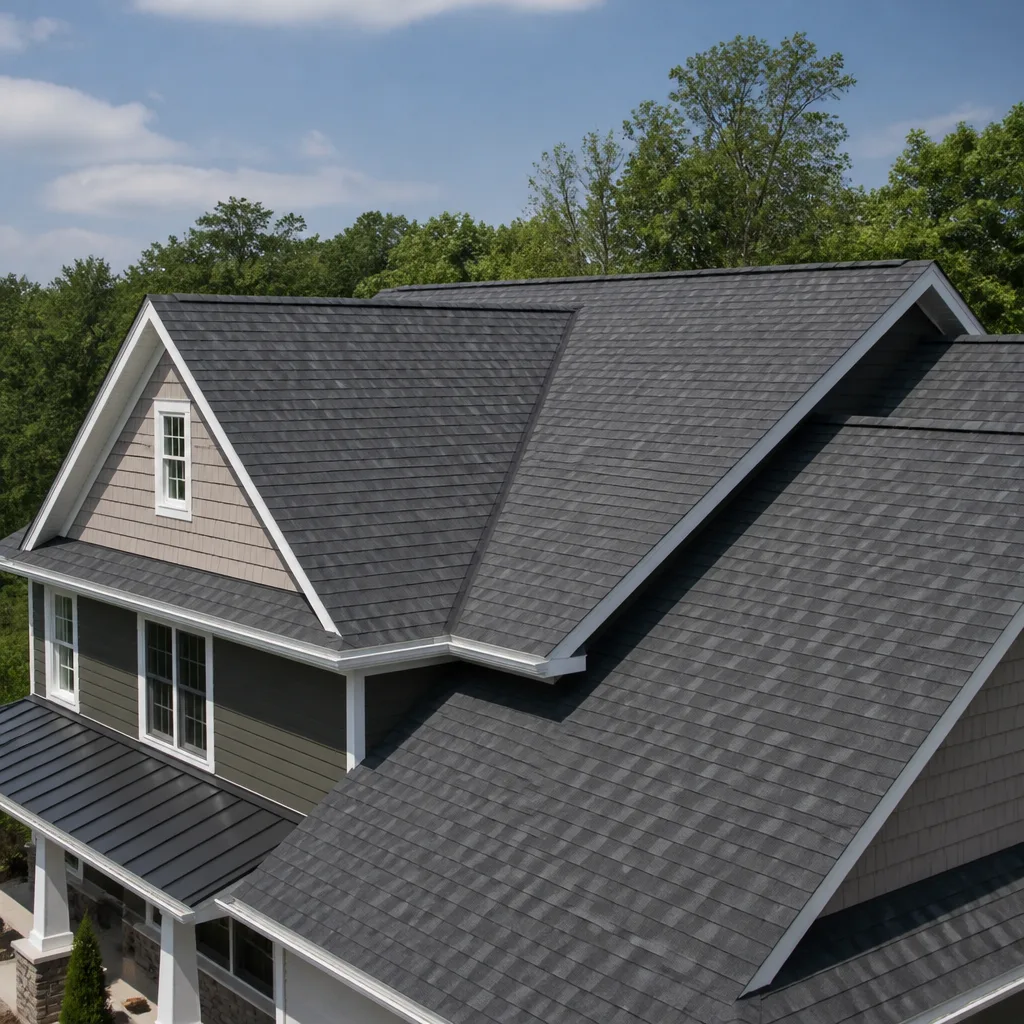
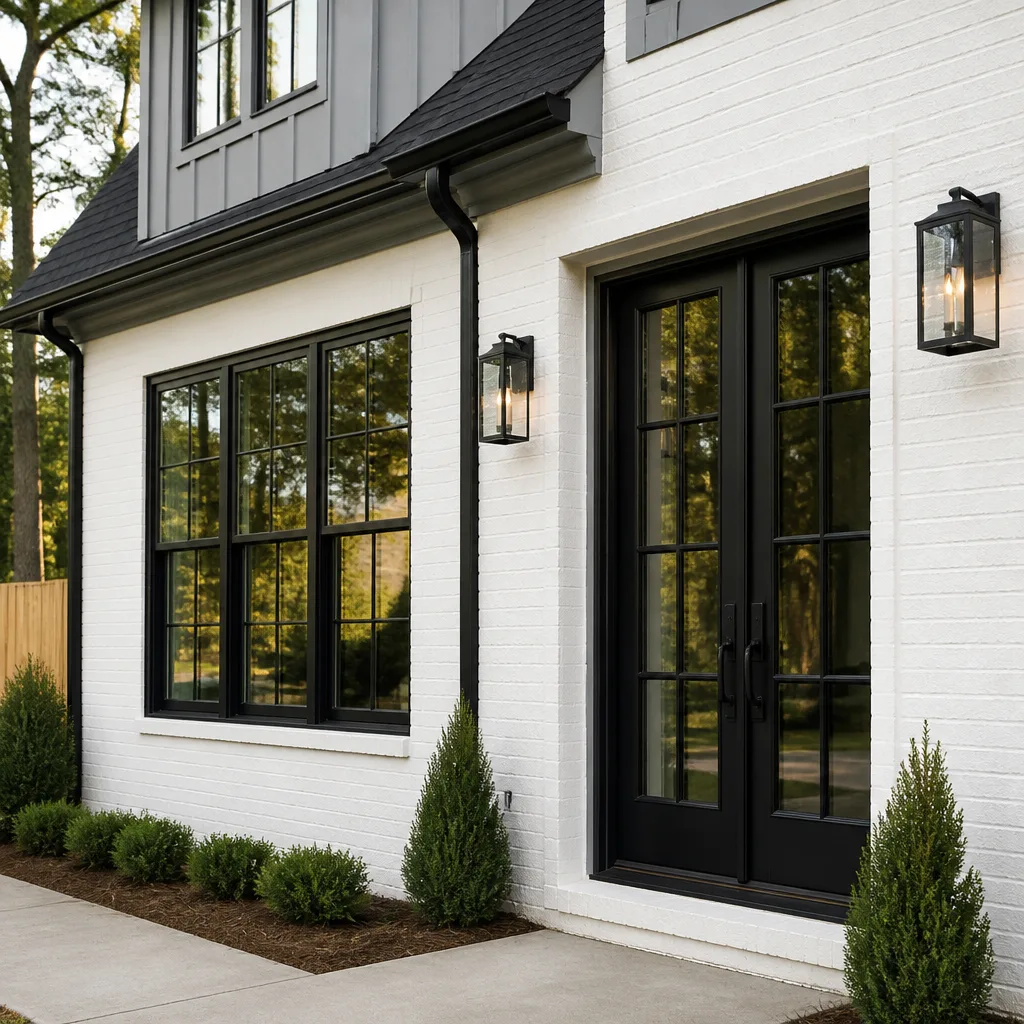
Styles & brands we work with
Signs Your Plant Prefab Roofing Is Failing
- A persistent water stain on the ceiling that grows after rain. Usually this is a failed seam weld or a punctured membrane around a vent pipe or HVAC curb. The water travels along the deck before it drips, so the stain is rarely directly under the actual leak. Riverside’s infrequent rain means leaks can go unnoticed for months, which is why a small stain is worth checking early.
- Visible membrane cracks or crazing at the parapet corners. The Inland Empire sun does a number on single-ply membranes that weren’t UV-stabilized for our exposure. Cracking at stress points, corners, and curbs means the membrane has lost its flexibility and will not rebond, even with a fresh weld. This is a replacement, not a patch.
- Rust streaks or fastener pop-ups on metal roof panels. On exposed-fastener Plant Prefab accessory buildings and some standing-seam configurations, the neoprene washers under the screws degrade after six to eight years of Riverside heat. Once the washer hardens and splits, the fastener backs out and water follows the thread. You will see rust stains radiating from the screw heads.
- Granules collecting in the gutters. If your Plant Prefab model was finished with a modified bitumen or shingle cap layer, granular loss accelerates fast in our heat-and-wind cycle. Balding shingle caps expose the asphalt to UV and turn a fifteen-year roof into a seven-year roof. Check your gutters after every Santa Ana event.
- Daylight or a visible gap at a roof-to-wall transition. Prefab panel seams are tight in the factory, but the building settles once on footings, and the roof plane can flex a quarter inch in high wind. That gap opens at the transition flashing, and water blows sideways into it during wind-driven rain. If you can see daylight from inside, water has already been getting in.
See the difference
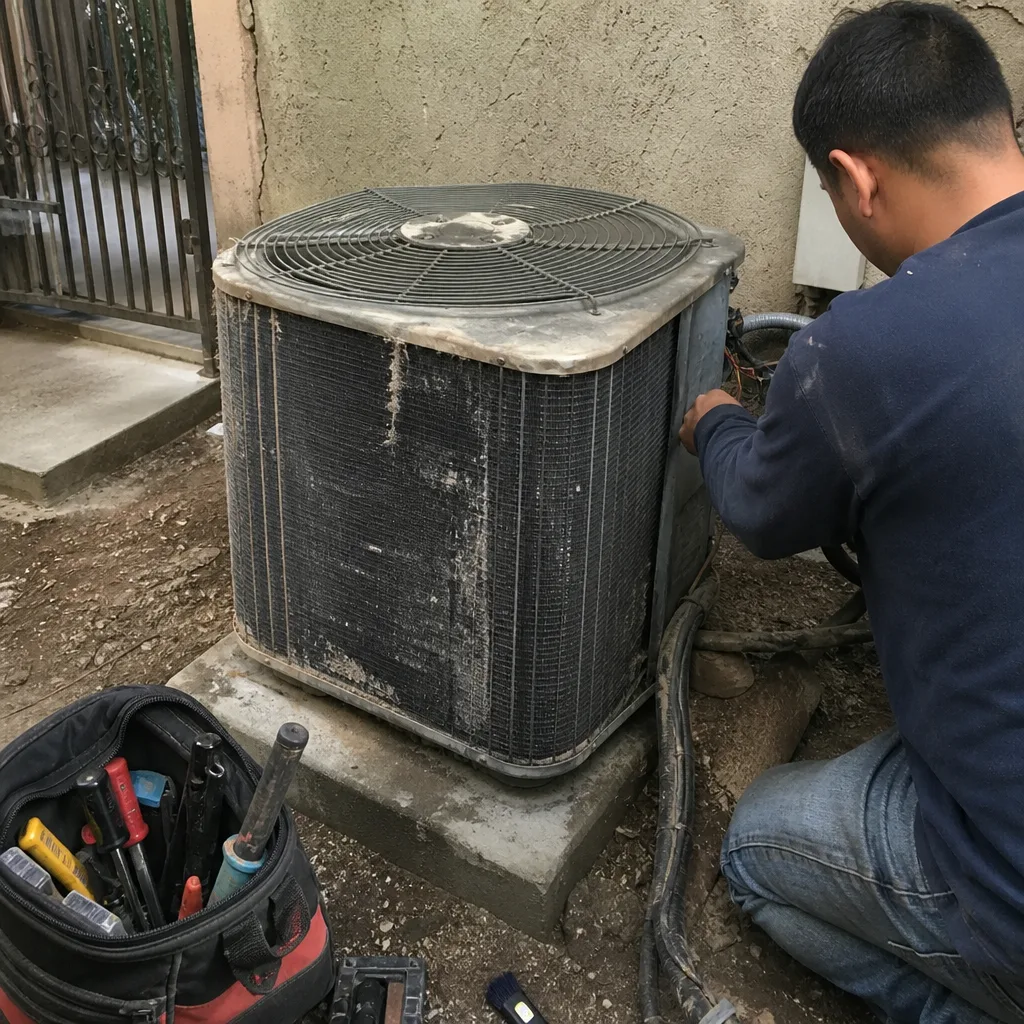 Before
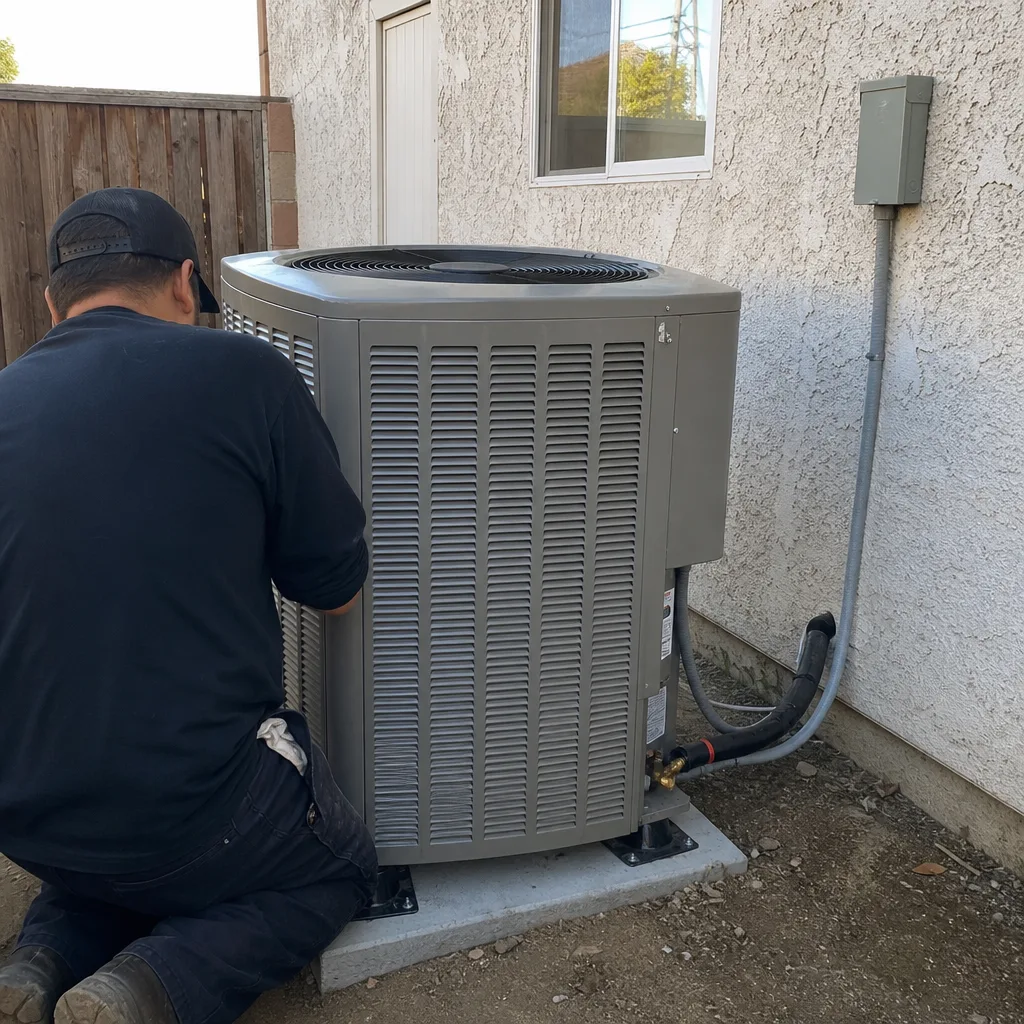 After
After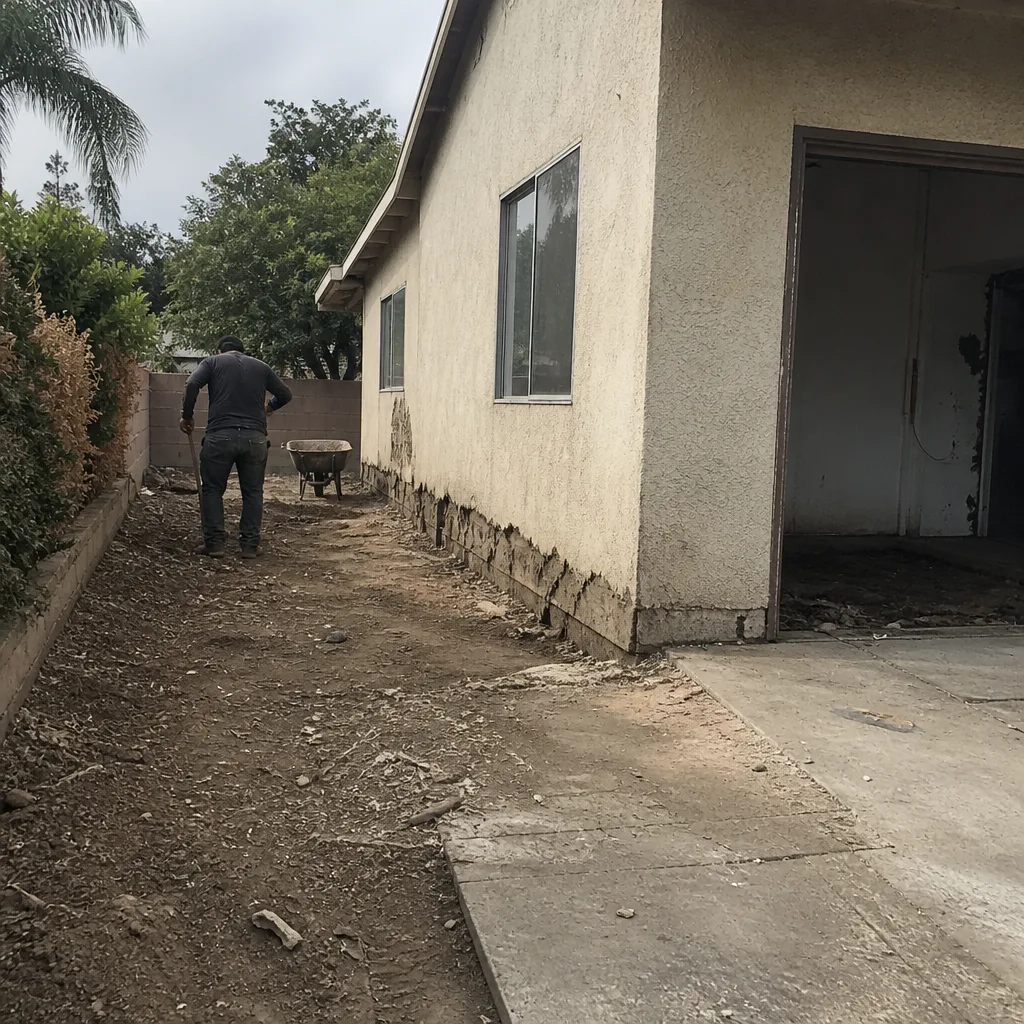 Before
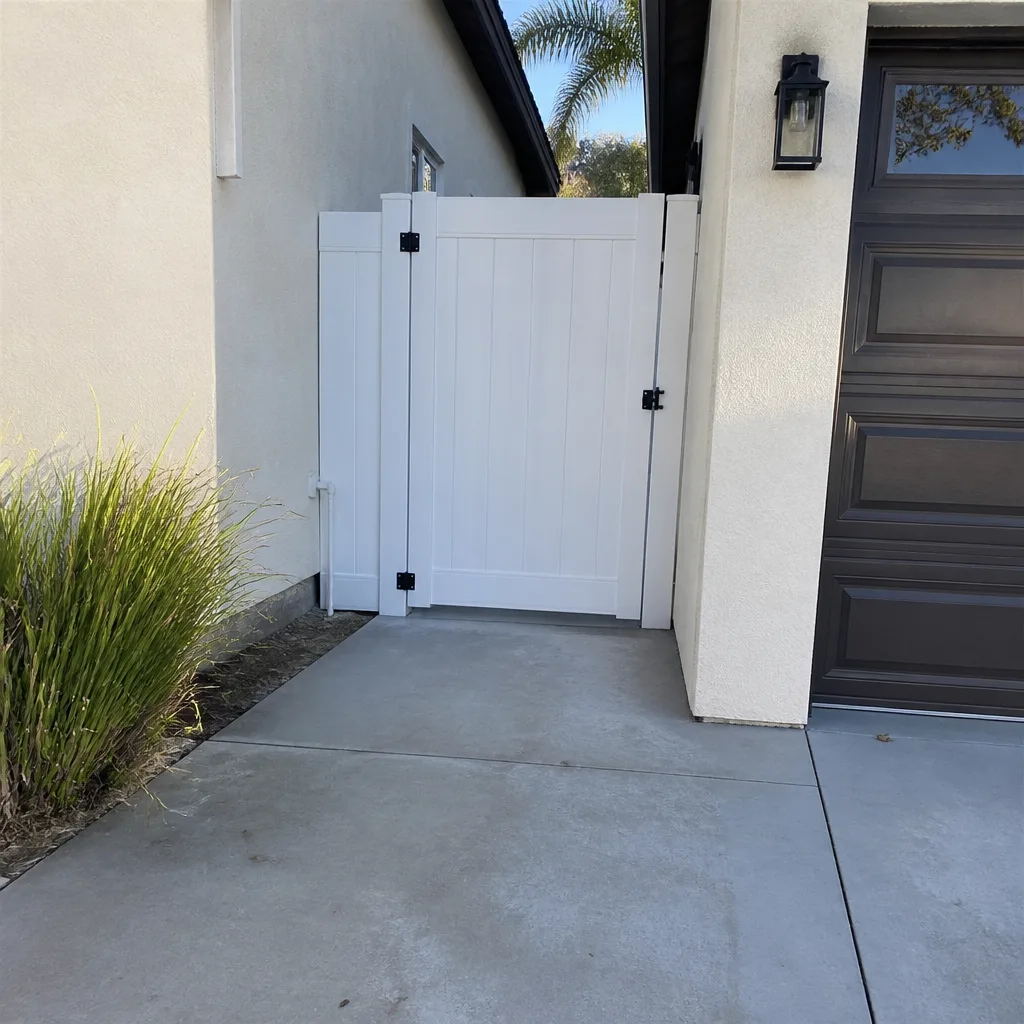 After
After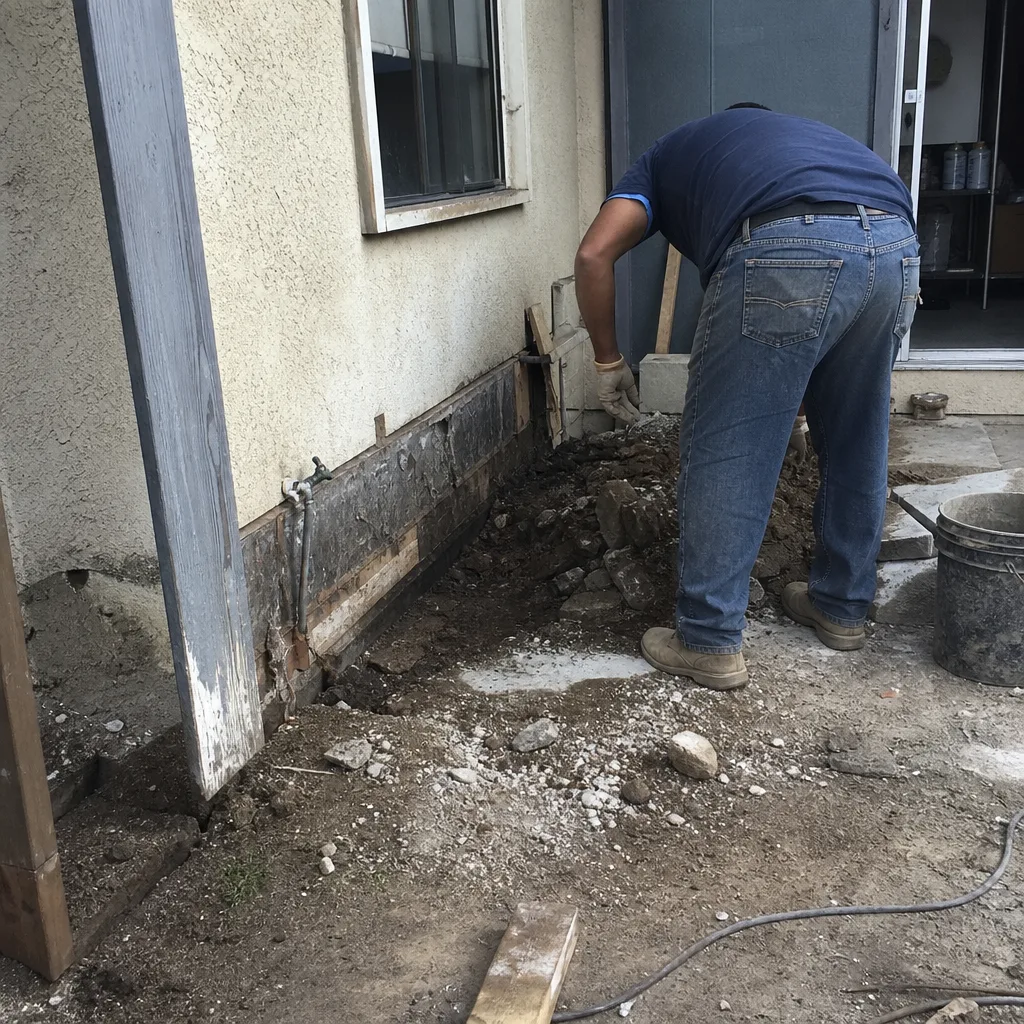 Before
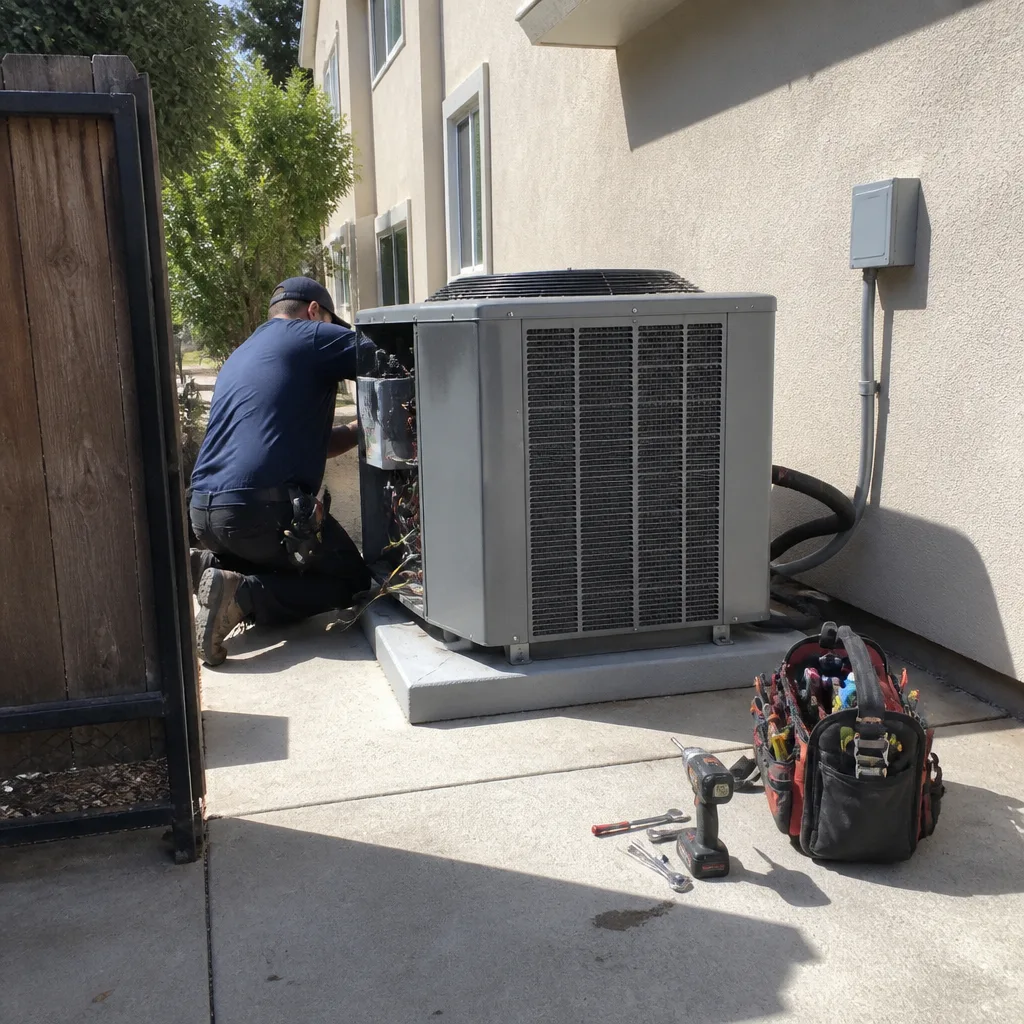 After
AfterReplacement Cost & What’s Included
For a Plant Prefab roofing component replacement in Riverside, most jobs land between $400 and $1,800 installed. A small membrane repair at a single penetration, with new boot flashing, sealant, and a fresh patch welds up at the low end. A full roof section membrane replacement, with parapet cap pull-and-reset, termination bar, and new edge metal, runs toward the high end. If the entire roof needs replacement, the range shifts to $8,000 to $20,000, which is the market reality for a complete tear-off and new roofing assembly in Riverside.
What drives the price: membrane type and thickness, how much flashing has to be removed and reinstalled, roof access and slope, and whether we are matching an existing system or upgrading a failed one. You get a written price before any work starts. No verbal range, no estimate that moves at the door. The number Trevor writes on day one is the number on the invoice, and the work carries our 365-Day Done Right Promise. If something fails inside a year, we come back and fix it at no charge. In writing.
We also install Cambria countertops, KraftMaid cabinetry, and Silestone surfaces for interior work, but when it comes to your Plant Prefab roof, we treat it strictly as a roofing repair: match the part, price it honestly, stand behind it.
DIY or Call Us?
Some things you can check safely from the ground: visible rust streaks on metal panels, curled or missing shingle caps, granules at the downspouts, and fasteners that have backed out within ladder reach but not at height. If you see any of those, take photos and call us. We’ll tell you over the phone whether it is urgent or can wait for a scheduled visit.
What you should not do is climb onto a low-slope membrane roof and start probing with a screwdriver or a heat gun. Membrane welding is not a weekend skill, and a bad weld on a roof you stand on is a leak you will not find until the next rain. Working at roof height also carries real fall risk, especially on hot Riverside days when the surface temperature reads twenty degrees higher than the air. Tension and heat near roofing equipment wants a trained person. If you have a stain on the ceiling and you are not sure where water is getting in, call (341) 895-1170 and we will schedule an inspection. The estimate is free.
FAQs

A properly installed single-ply membrane roof in Riverside typically lasts 15 to 20 years, while standing-seam metal can go 30-plus with fastener maintenance, but our heat, UV, and wind events push the low end of that range if the roof was nicked during transport or set. If you are seeing failure at year six or seven, that points to an installation or transit damage issue rather than normal wear.
Yes, when the damage is localized, a properly welded patch at a penetration or a resealed seam is a legitimate ten-to-fifteen-year fix, not a band-aid. We repair when the surrounding membrane is still flexible and the deck below is dry. If the membrane has cracked broadly or the deck is water-damaged, patching just moves the leak. Call (341) 895-1170 and we will tell you which situation you have.
A membrane patch at a single penetration takes a half day including cleanup. A roof section replacement takes one to two days depending on deck damage and flashing scope. A full roof replacement on a Plant Prefab home is typically a three-to-five-day job, weather permitting.
We stock common TPO and EPDM membrane rolls in the two most common thicknesses, boot flashings for standard vent and pipe sizes, termination bar, sealant, and fasteners on the truck. Model-specific edge metal and parapet caps are usually ordered to match your existing profile, which takes a few extra days. For metal roof panels, we stock matching screws and closure strips and order panels as needed.
If your Plant Prefab roof is leaking, cracking, or starting to show its age under the Riverside sun, call us at (341) 895-1170. We’ll inspect it, tell you what is actually wrong, and give you a written price before we pick up a tool. That’s just how this works.
Written by Trevor Nash, Owner, Penhallow Remodeling Riverside at Penhallow Remodeling Riverside, serving Riverside and nearby areas.