
Free written scope consultation - allowances, timeline, and change-order rules on paper before a single trade is scheduled
Sterling Home Additions & ADU: The Riverside Owner’s Guide
Sterling home additions and ADU projects in Riverside typically run $45,000 – $130,000 installed, depending on square footage, foundation work, and whether you’re building up or out. We install and manage Sterling-compatible additions and ADUs from first stake to final inspection, and most initial consultations happen within a few days of your call. Where most homeowners discover the “part” that failed isn’t a single hinge or panel – it’s usually the planning, the waterproofing detail, or the tie-in between the new structure and the old one that’s now causing cracks, leaks, or a stop-work order from the City of Riverside.
If you’ve got a Sterling addition or ADU that’s showing signs of trouble – a sagging roofline at the transition, water staining where the new meets the original, or doors that no longer close square – the fix usually isn’t a patch. It’s correcting the structural or flashing detail underneath. That’s the work we do, and we write the price down before we touch anything.
Key Takeaways:
- Sterling addition and ADU work in Riverside runs $45,000 – $130,000 for full builds; repair and remediation work is priced per project after a site walk.
- The most common failure points are the roof-to-wall flashing at the tie-in, foundation settlement at the seam, and undersized shear walls on older Riverside homes.
- Every job gets a written price before work starts and a written 365-Day Done Right Promise when we’re finished.
Which Sterling Models This Applies To
Sterling builds several addition and ADU configurations, and the compatibility question usually comes down to how your original structure was framed. We work on detached ADUs, attached single-story additions, and garage-top units across Riverside – including Arlington, La Sierra, Canyon Crest, and the Wood Streets. The older the original home, the more likely the tie-in detail is where things went wrong.
Here’s what matters when matching the right fix to your Sterling project: wall height and roof pitch at the transition, foundation type (raised versus slab), and whether the original framing is 2×4 or 2×6. On a 1950s Riverside bungalow, we frequently find the original studs are true-dimension lumber – actually 2 inches by 4 inches, not the 1.5 by 3.5 you’d buy today. That quarter-inch difference matters when you’re sistering new framing to old. If the addition was permitted, the permit records with the City of Riverside will list the original plans; if it wasn’t, we’ll have to open the wall to see what’s actually there before we quote framing repair.
For most homeowners, OEM Sterling components aren’t a thing the way they are for a faucet or a window. The “part” is the assembly: the flashing, the shear paneling, the hold-down hardware, the moisture barrier. We source from industry-recognized trade brands – James Hardie for siding, Therma-Tru for exterior doors, and the same lumber and Simpson Strong-Tie hardware any structural engineer in Riverside would spec. Penhallow Remodeling Riverside is an independent contractor, not affiliated with Sterling, so we’re free to use whatever actually fixes the problem instead of whatever the brochure said.
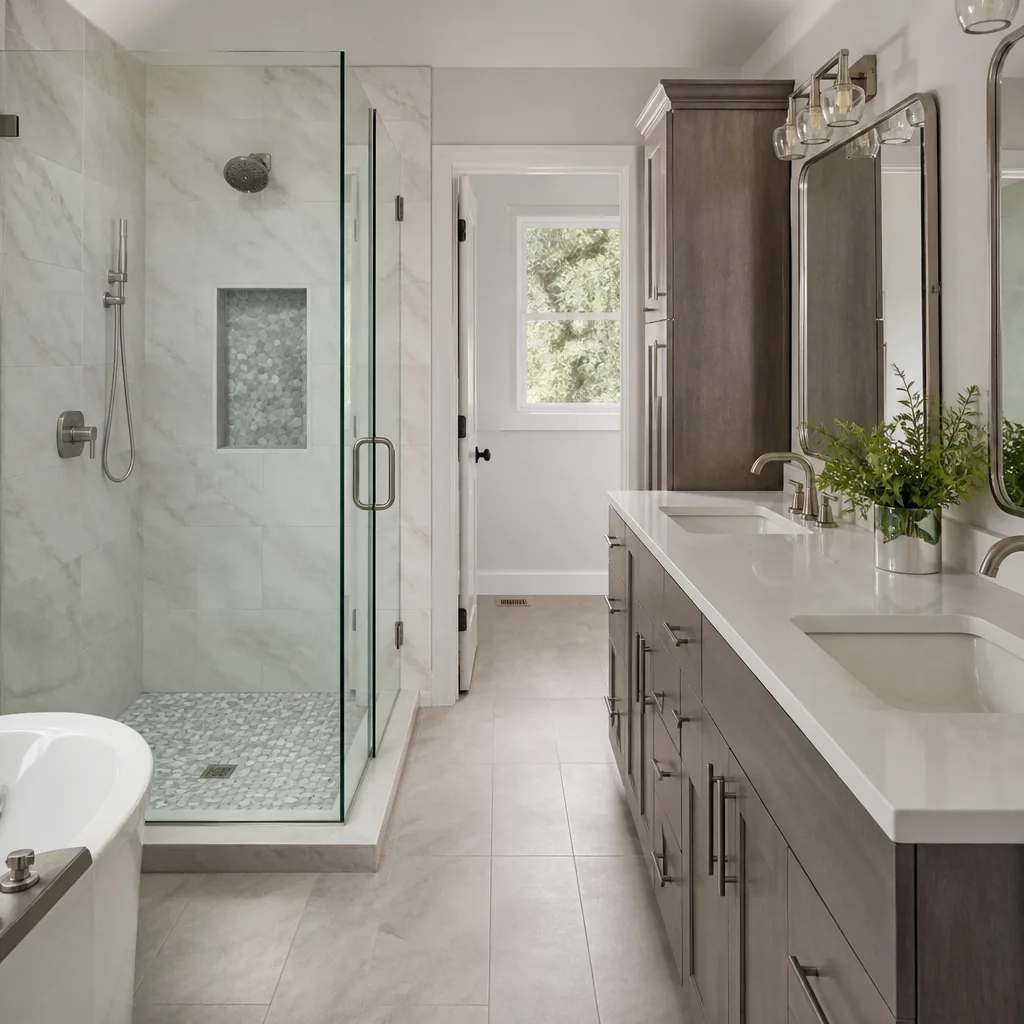
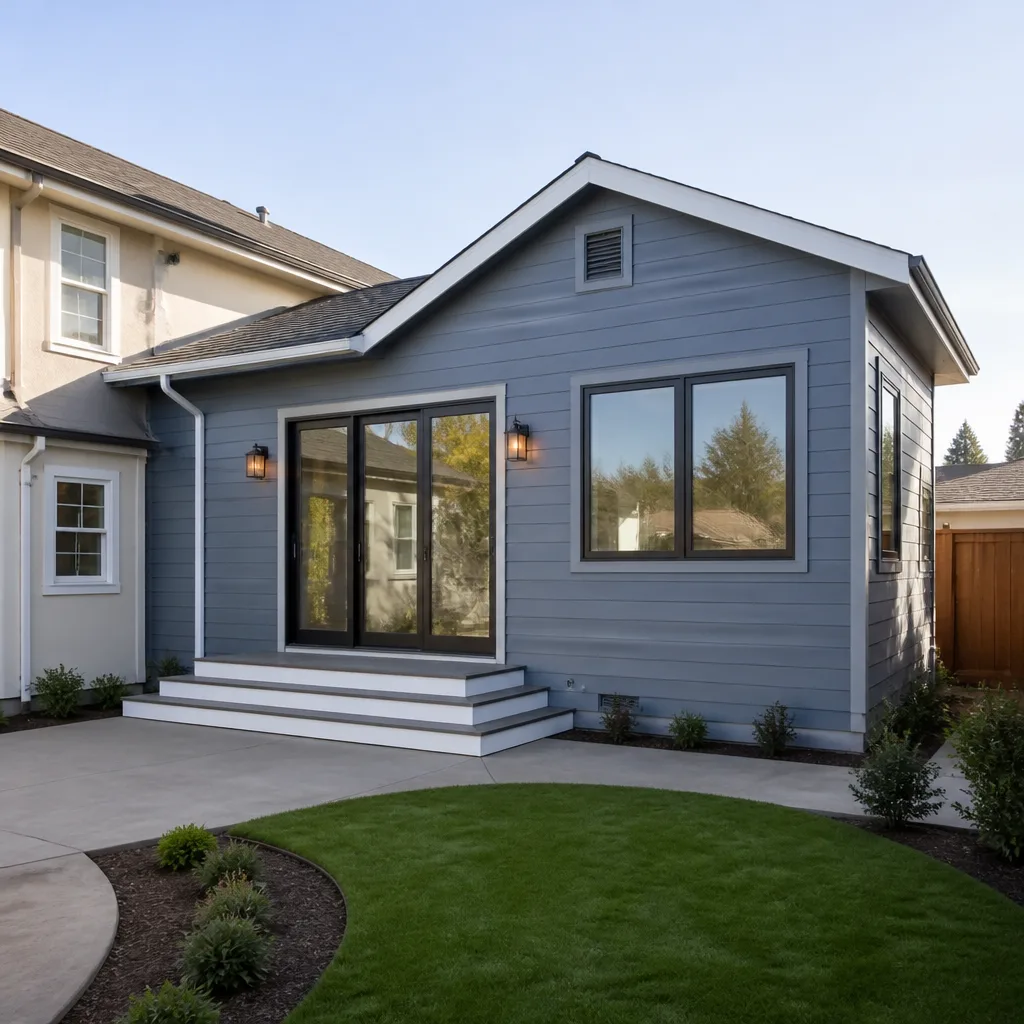
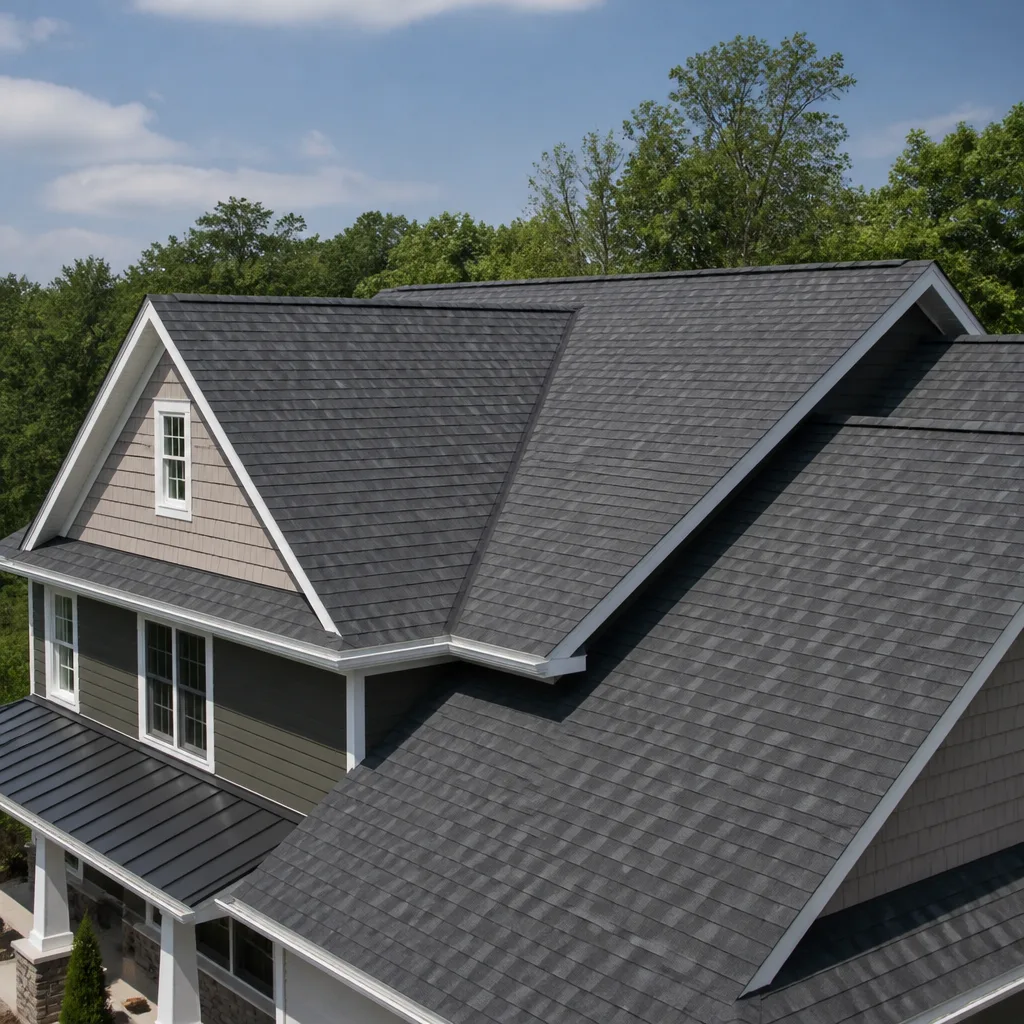
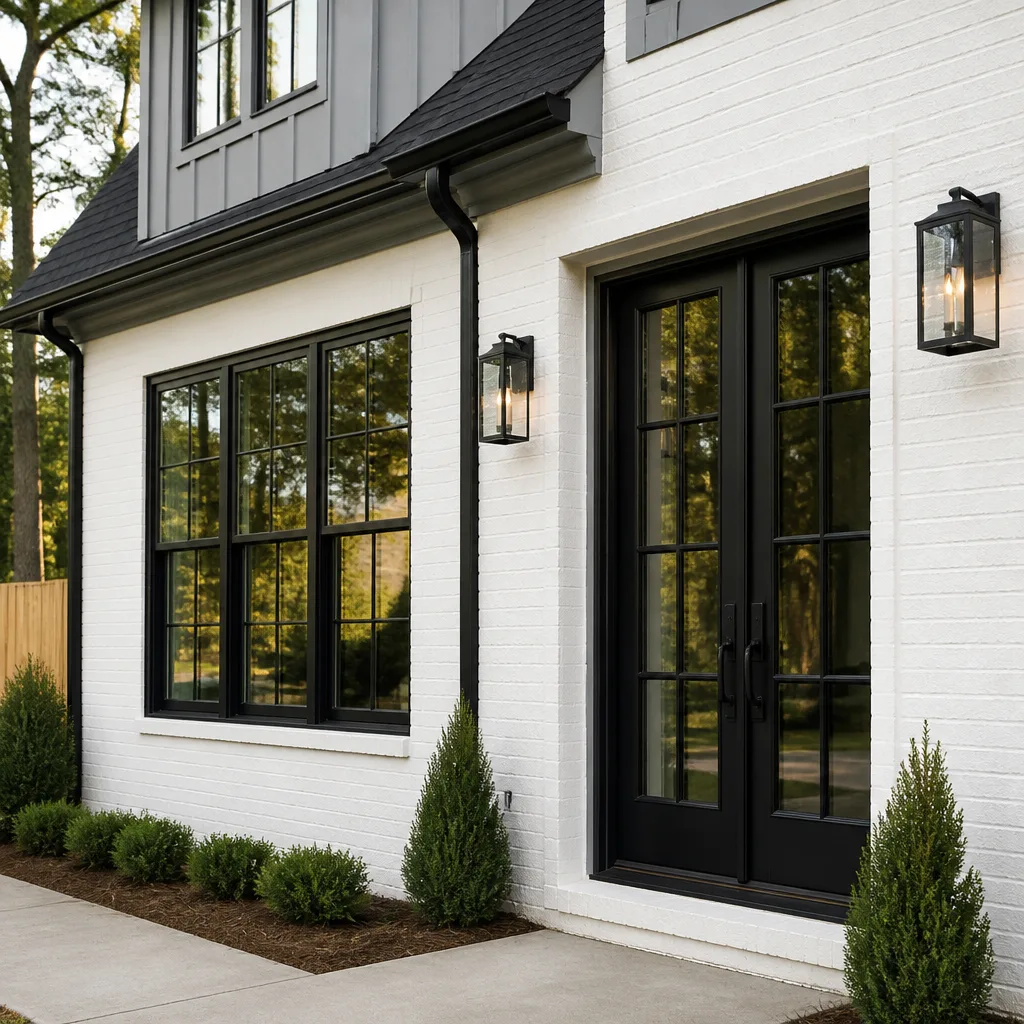
Styles & brands we work with
Signs Your Sterling Home Additions & ADU Is Failing
- Doors that stick or won’t latch within a year of the build. This usually means the foundation under the addition is settling more than the original structure, or the framing wasn’t fully dried before drywall went up. Riverside’s clay-heavy soils expand and contract with rain, and that movement shows up at door corners first.
- A visible crack running along the seam where the addition meets the original wall. This is the classic tie-in failure – either no slip joint was installed, or the flashing detail wasn’t lapped correctly. We see this on Arlington homes built before modern seismic codes, where the original wall and the new wall move at different rates.
- Water staining on the ceiling where the new roof ties into the old. Almost always a flashing problem, especially on low-slope Inland Empire roofs that pond water after a good winter rain. Even a half-inch lap done backwards will leak in Riverside’s January storms.
- A musty smell inside the ADU that never quite goes away. That’s moisture trapped in the wall cavity, which means the vapor barrier was installed on the wrong side or not at all. In Riverside’s dry summers it hides; in winter it doesn’t.
- Cracks in stucco or siding radiating from windows and corners of the addition. This points to missing or undersized header support, or shear wall fastening that doesn’t meet current code. Older additions, pre-2000, rarely have the hold-down hardware Riverside building inspectors require today.
See the difference
 Before
 After
After Before
 After
After Before
 After
AfterReplacement Cost & What’s Included
A full Sterling home addition in Riverside runs $45,000 – $130,000 depending on square footage, foundation type, roofline complexity, and finish level. A detached ADU with a kitchen and bath lands at the higher end – realistically $90,000 – $220,000 in this market when you factor in utility trenching and separate metering. Remediation work on a failing addition is a different animal: a tie-in flashing repair might run a few thousand dollars, while a foundation correction at the seam could push past $15,000 if piers are required.
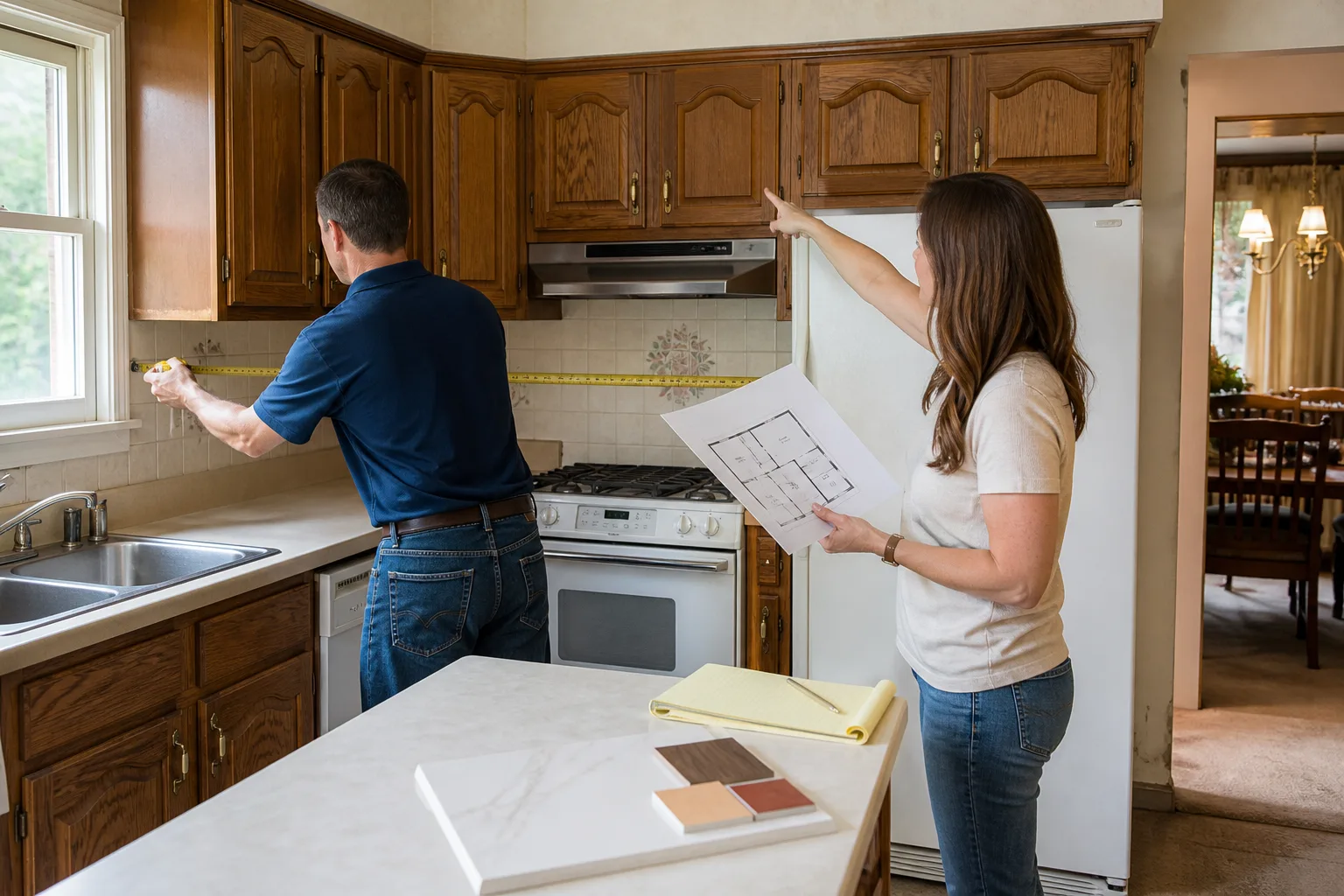
Every quote from us is a written line-item price, not a ballpark. You’ll see the cost of lumber, fasteners, flashing, labor, permits, and disposal – and that number doesn’t change once we start, unless you change the scope. Riverside permit fees are what they are, and we pull the permits and schedule the inspections. We’re state-licensed and insured, and every technician who walks onto your property is background-checked and in uniform. The work is covered by our 365-Day Done Right Promise: if something fails inside a year, we come back and fix it at no charge. In writing, on every job.
DIY or Call Us?
Some things you can check yourself safely: run a hose along the roofline seam on a dry day and watch for water inside, look for daylight through the tie-in from the attic side, or put a level on the floor at the doorway between the addition and the original house. Those checks don’t require tools beyond a garden hose and a level, and they’ll tell you a lot.
What you shouldn’t do is open up the wall or pull back the flashing on a lark. Once you break the weather barrier, you own the leak until it’s fixed, and Riverside’s wet season will find it faster than you’d like. Structural work – shear walls, hold-downs, foundation piers – is not a weekend project, and doing it wrong makes the next repair more expensive. If you’re seeing any of the symptoms above, call us at (341) 895-1170. We’ll walk the site, write down what we find, and give you a number before we pick up a tool.
FAQs
With proper flashing, foundation work, and ventilation, a well-built addition should last 50 years or more before major work. The failure points we see in Riverside are almost always the tie-in details – flashing, shear, and drainage – not the framing itself. Our 365-Day Done Right Promise covers the first year in writing; the work itself should outlast the mortgage. Call (341) 895-1170 if you suspect a detail was missed.
Most failing additions can be repaired without a teardown. The fix is usually localized: re-flashing the roof tie-in, adding hold-downs at the shear wall, or correcting drainage. Unless the foundation itself has failed beyond repair, you’re looking at targeted work, not a rebuild. We’ll give you a written scope and price before any work begins.
A flashing repair on a Riverside addition can be done in one to two days. A shear wall retrofit or foundation work at the seam typically takes one to two weeks depending on inspection scheduling with the City of Riverside. We give you a defined arrival window and a written schedule before we start, and a live person answers the phone 24/7 if you have questions mid-project.
We stock standard framing lumber, flashing, and hold-down hardware on our trucks, and we order project-specific materials – James Hardie siding, Therma-Tru doors, Simpson Strong-Tie hardware – before your job starts. You’ll never be asked to source materials yourself. We also work with KraftMaid, Cambria, and Silestone for finish work, alongside the other plumbing and hardscape brands we trust.
Written by Trevor Nash, Owner, Penhallow Remodeling Riverside at Penhallow Remodeling Riverside, serving Riverside and nearby areas.