Last updated October 15, 2026








Free written scope consultation - allowances, timeline, and change-order rules on paper before a single trade is scheduled
General Contractor Maintenance Checklist for Riverside Homeowners
Riverside’s climate punishes the wrong maintenance schedule. Most checklists floating around the internet were written for Seattle rain or Chicago freeze cycles, and they miss what actually breaks homes here: sustained triple-digit heat, UV exposure that cooks exterior finishes, and Santa Ana winds that turn a loose roof tile into a missile. A homeowner following a national template ends up caulking in the wrong month, ignoring stucco until it cracks through, and discovering a $4,000 fascia repair that a $12 inspection in October would have caught. This guide is a month-by-month maintenance calendar built specifically for general contractor in Riverside standards: what to check, when to check it, and what happens if you skip it. You’ll learn which tasks are genuinely urgent for Riverside homes, which materials here need different care than national averages suggest, and how to document everything so a future insurance claim or resale inspection doesn’t turn into a fight. No scare tactics, no filler, just the schedule that matches the actual weather outside your window.
Quick Answer
A Riverside home maintenance checklist should follow the climate, not the calendar: inspect roofing and exterior caulking before Santa Ana season (October), reseal stucco every 5 to 8 years, clear roof valleys and drains after wind events through January, service the HVAC condenser twice per year (spring and fall) due to dust and heat load, and document every repair with photos and receipts stored digitally. For homeowners who want professional help with larger projects, our General Contractor services cover everything from roof repairs to full exterior restorations. The items that cost Riverside homeowners the most when skipped are roof penetrations, irrigation leaks against the foundation, and exterior caulk failure from sustained heat above 90°F.
Styles & brands we work with






Table of Contents
- Month-by-Month Maintenance Calendar for Riverside
- Santa Ana Wind Season: Pre-Event and Post-Event Inspections
- Riverside-Specific Materials and Their Maintenance Intervals
- Maintenance Items That Void a Contractor’s Workmanship Guarantee
- Documenting Maintenance for Insurance and Resale
- Common Mistakes to Avoid
- When to Call a Professional
- Frequently Asked Questions
Month-by-Month Maintenance Calendar for Riverside
Riverside averages about 38 days per year above 100°F, and the heat is not evenly distributed. The worst stretch runs July through September, when overnight lows sometimes never drop below 75°F, and that sustained heat changes how materials behave. Caulk rated for temperate zones softens and separates. Vinyl window frames expand enough to stick in their tracks. Roofing underlayment bakes. A maintenance calendar built for Riverside has to work around these realities rather than pretending “spring cleaning” and “fall gutter day” are the only anchors.
January: Post-Santa Ana Damage Assessment
By January, the first round of Santa Ana wind events has typically passed through Riverside. Walk the perimeter of the house with a camera. Look for lifted or shifted concrete roof tiles, displaced gravel on flat roof sections, and any vent screens that have pulled loose. Check exterior wall penetrations around hose bibs, electrical boxes, and dryer vents for gaps that opened during wind-driven rain. This is also the month to inspect the attic from inside, specifically looking for dust trails or daylight showing through at roof penetrations. Dust trails mean air is moving where it shouldn’t be, which means moisture and pests can too.
February: Stucco Inspection and Crack Mapping
Riverside’s housing stock leans heavily toward stucco, and stucco here has one primary enemy: the annual cycle of ground moisture and heat. Before the weather warms, walk every exterior wall and map hairline cracks with painter’s tape or a photo log. Cracks under 1/16 inch are cosmetic and can be sealed with elastomeric caulk. Cracks wider than that, especially diagonal cracks radiating from window corners or foundation lines, need a professional look. February is also the right month to check that weep screed at the bottom of stucco walls is not buried by soil or mulch, which traps moisture against the framing and rots sheathing from the inside out.
March: Irrigation Audit Before the Heat
Riverside’s water rates make irrigation leaks expensive, and the damage a slow leak does to a foundation is worse. In March, before the irrigation season begins, run each zone for three minutes and inspect every valve box, drip emitter, and spray head. Look for soggy patches, green algae growth on soil, or water pooling against the foundation. A drip line that leaks against a slab for six months creates the exact conditions that crack concrete and invite subterranean termites. Fix emitters now while the ground is still soft and the repair is cheap.
April: HVAC Condenser Service and Filter Replacement
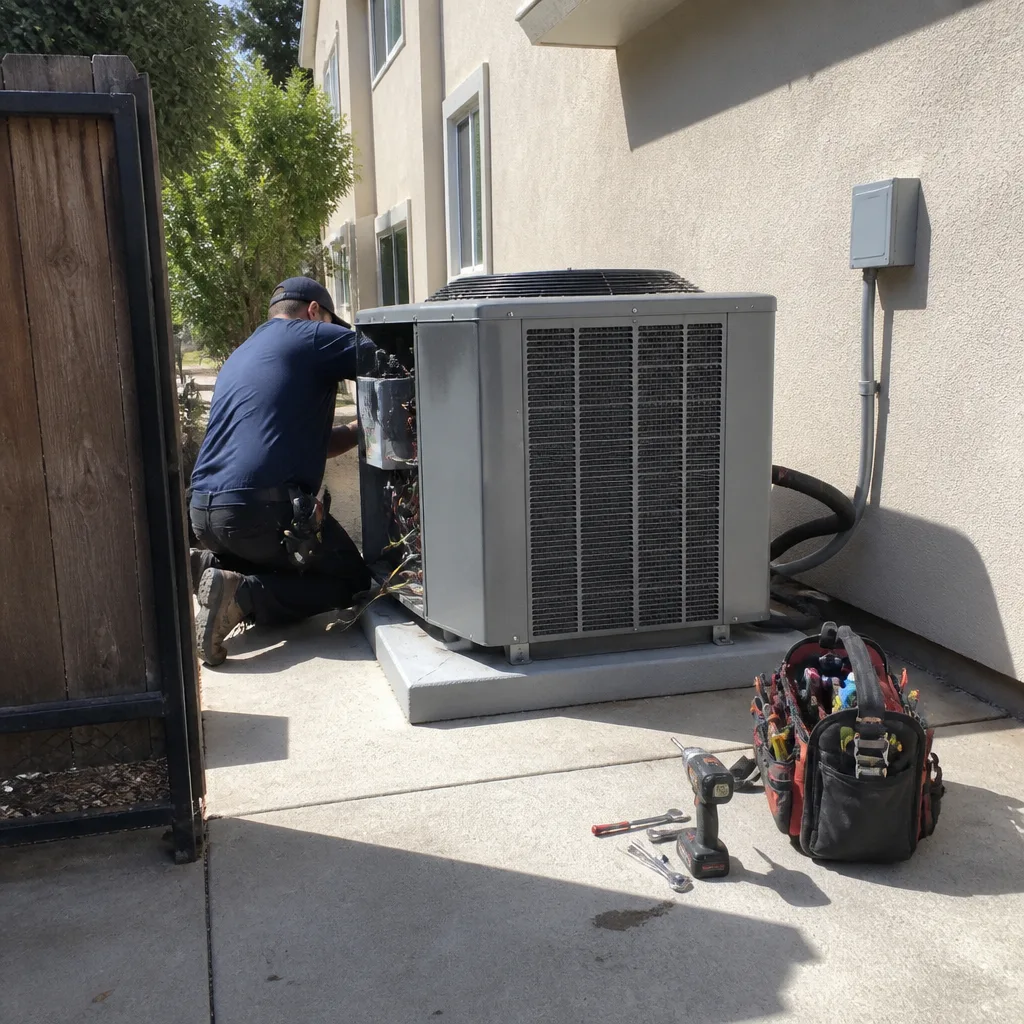
The condenser unit outside your Riverside home collects dust from two sources: normal airborne dirt and the particulate that blows in during Santa Ana season. By April, the coils are frequently coated with a layer fine enough to reduce efficiency by 10 to 15 percent. Shut off power to the unit, clear debris from around it, and have a licensed HVAC tech clean the coils if you can’t see the metal fins clearly. Replace the indoor filter. Riverside’s heat load means the system runs hard from May through October, and the difference between a clean and dirty condenser shows up directly on your electric bill.
May: Window and Door Seal Test
May is the last comfortable month before the summer oven, which makes it the right time to find air leaks. Close every window and exterior door, then walk the interior on a warm afternoon with the back of your hand near each frame. Feel for moving air. Check weatherstripping on doors for compression set, which shows as a permanent flat spot where the door meets the frame. Dual-pane vinyl windows, the workhorse of Riverside homes built since the 1980s, should be checked for broken seals: look for condensation or haze between the glass panes that won’t wipe off. A failed seal means the insulating gas has escaped and the window is now conducting heat into the house.
June: Gutter and Roof Valley Pre-Heat Check
Riverside gets most of its rain between November and March, but the wind deposits debris into gutters all year. By June, the gutters often hold a mix of dried leaves, dust, and broken tile fragments from the previous wind season. Clean them now, before the heat bakes the debris into a hard, cemented layer that requires scraping. Check roof valleys, the V-shaped channels where two roof planes meet, for accumulated debris. In Riverside, a blocked valley during a surprise summer thunderstorm, rare but real, sends water under the tile and into the ceiling.
July: Irrigation Mid-Season Tune-Up
July is when Riverside’s irrigation systems work hardest, and it’s when small problems become big ones fastest. Walk each zone again. Check for heads that have been knocked out of alignment by lawn mowers or foot traffic. Look for water spraying onto stucco walls, which stains and softens the finish over a single season. Confirm that the drip lines around the foundation are still directing water away from the slab rather than toward it. If you see a spike in your water bill during July, an irrigation leak is the most likely culprit in Riverside.
August: Exterior Caulk Re-Inspection
This is the check that generic maintenance calendars miss entirely. Caulk rated for temperate climates fails during Riverside’s sustained August heat, and the failure shows up as cracks, peeling, or a gummy texture at window perimeters, door frames, and expansion joints. Run a visual inspection on every exterior joint. If the caulk has pulled away from the stucco or the window frame, scrape it out and replace it with a product rated for high-temperature exterior use. A joint left open through the fall Santa Ana season lets wind-driven dust and the occasional rain directly into the wall cavity. We’ve seen homeowners in Riverside’s older neighborhoods replace window trim that rotted solely because a $6 tube of caulk was replaced six months too late.
September: Pre-Santa Ana Roof Anchor Check
September is the last calm month before Santa Ana winds return, and it’s the month to make sure your roof can handle what’s coming. Riverside concrete tile roofs are heavy and usually well-attached, but the ridge tiles, hip tiles, and the roof tile at the eaves are the vulnerable points. From the ground with binoculars, scan every roof edge for missing, cracked, or shifted tiles. Check any roof-mounted equipment: satellite dishes, solar panel mounts, swamp cooler frames. Confirm each is still bolted tight. A loose mount under a 60 mph Santa Ana gust can tear a section of roofing material clear off the deck. Given how high the stakes can get, we always tell homeowners that a roof edge inspection from the top of a ladder should be left to someone trained for it, falls from a second-story eave change a family’s year. Call a licensed contractor for any roof access you’re not fully comfortable with.
October: Santa Ana Wind Event Preparedness
Santa Ana season in Riverside generally runs October through January, with the strongest winds concentrated in October and November. Before each forecasted event, walk the yard and bring in or tie down anything that can fly: patio furniture, trash bins, tools, planters. Check that all fence gates latch properly, because a swinging gate breaks its own hinges in a single wind event. Confirm all exterior vents, crawl space screens, and attic vents are still firmly attached. A 50 mph gust gets under a loose vent screen and peels it off entirely, leaving an opening for rodents looking for a warm winter home.
November: Post-Event Exterior Sweep
After each Santa Ana event, and at least once more in late November, do a full exterior walk. Look for anything the wind changed: shifted roof tiles, new cracks in stucco, tree branches touching the roofline, damaged fence sections, debris piled against the foundation. The post-event walk matters because small wind damage is easy to fix in November and expensive to repair in March after winter rain has driven water into every opening. Pay particular attention to the north and east sides of the house, which take the brunt of the wind direction in most Riverside neighborhoods during Santa Ana events.
December: Rain Ready Check Before the Wet Season
Riverside’s rainy season overlaps with Santa Ana season, which creates a strange maintenance rhythm: prepare for wind, then prepare for rain, then respond to whichever hits. In December, before the wettest months arrive, clean the gutters and downspouts again. Check that downspout outlets direct water at least three feet away from the foundation. Inspect the weatherstripping on all exterior doors. Walk the roof perimeter with binoculars for any tile damage from early wind events. In our experience working on Penhallow Remodeling Riverside home inspections, the December gutter clean is the single most skipped task, and the March ceiling stain is the price for skipping it.
Santa Ana Wind Season: Pre-Event and Post-Event Inspections
Santa Ana winds are Riverside’s most destructive seasonal weather pattern, and they arrive on a schedule that catches homeowners off guard because the days are otherwise mild and sunny. The winds form when high pressure over the Great Basin pushes air down through the Cajon Pass and Santa Ana Canyon, compressing and heating it as it descends. By the time that air reaches Riverside, it’s hot, extremely dry, and moving fast. Peak gusts in the worst events exceed 60 mph in exposed neighborhoods, and those gusts find every loose shingle, every degraded caulk joint, every patio chair left outside.
Pre-Event Inspection: The 30-Minute Walk
Before a forecasted Santa Ana event, do a thirty-minute walk around the property with a checklist. Here’s what we tell Riverside homeowners to look for:
- Roof edge integrity: From the ground with binoculars, confirm no tiles are lifted, cracked, or missing. Pay closest attention to hip and ridge tiles, which catch the most wind.
- Roof-mounted equipment: Verify solar panel mounts, satellite dish brackets, and antenna mounts have all bolts tight. If you can wiggle any mount by hand from the ground view, a pro should check it before the wind does.
- Vents and screens: Check every attic vent, gable vent, and crawl space screen for a firm attachment. Loose screens become wind sails and tear off, and replacement vents on older Riverside homes are not always a standard size.
- Yard projectiles: Anything smaller than a patio table should come inside or get tied down. A plastic planter at 50 mph cracks a dual-pane window.
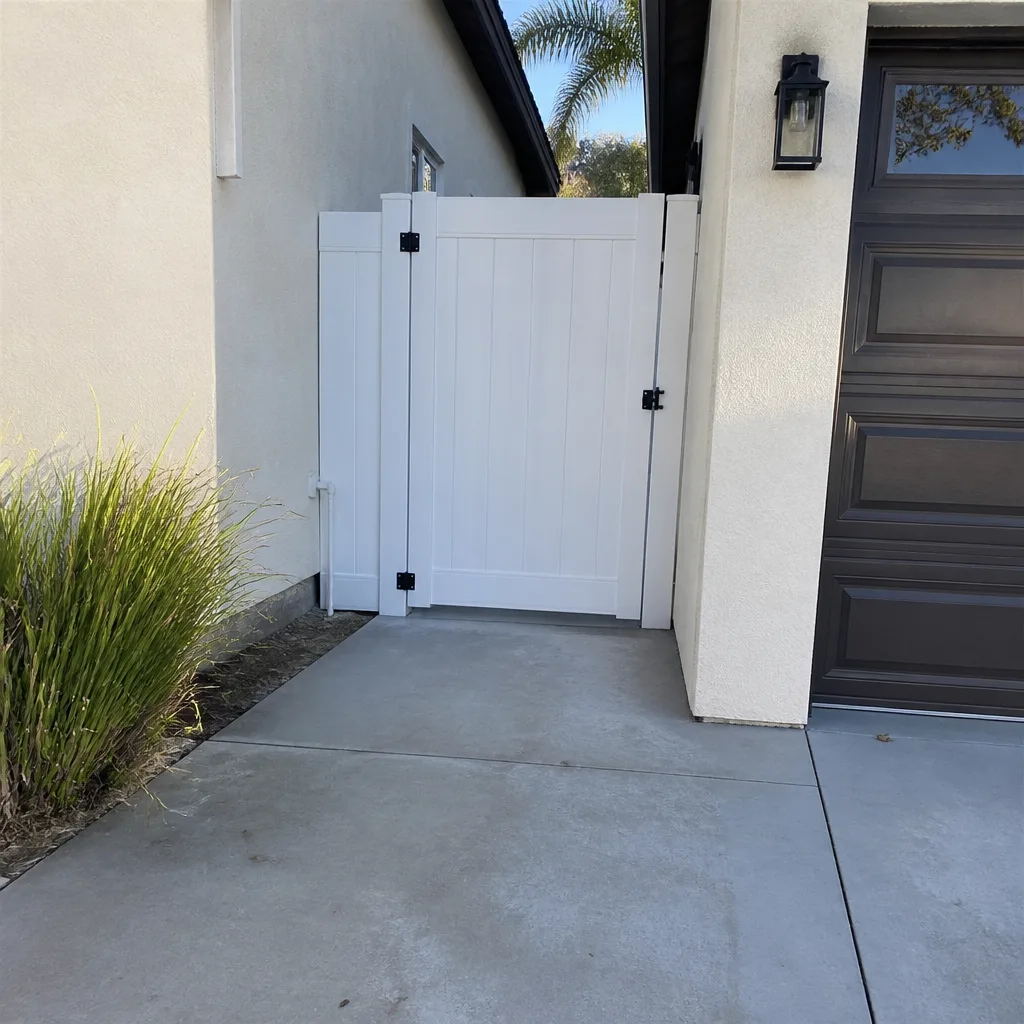
- Fence and gate hardware: Confirm all gate latches engage and all fence posts are stable. A gate that swings in the wind will destroy its own hinges and the frame it’s mounted to.
Post-Event Inspection: What the Wind Leaves Behind
Within 24 hours after a Santa Ana event passes, walk the property again and document any changes. The most common post-event damage we see in Riverside falls into a predictable pattern:
- Shifted or broken roof tiles: Concrete tiles can shift a quarter inch without falling, opening a gap for the next rain to find.
- Stucco cracks at corners: The dynamic pressure of wind against walls stresses the stucco skin, and existing small cracks grow longer or wider.
- Fascia and eave damage: Wind-driven debris batters the fascia boards under the roofline, chipping paint and sometimes cracking the wood itself.
- Displaced attic insulation: Wind entering through a small roof opening can blow insulation away from the eaves, creating cold spots and higher heating costs in winter.
- New roof penetrations: A branch or tile fragment can puncture a roof vent cap or crack a skylight curb, and these leaks don’t show up until the next rain.
Photograph everything you find, even if you’re not planning to repair it immediately. Insurance adjusters and future home inspectors will both look for a documented history of wind-event response. A phone photo with a date stamp is enough to start the file.
Riverside-Specific Materials and Their Maintenance Intervals
Materials behave differently in Riverside than they do in most of the country, because the combination of heat, UV, and dry wind creates different failure modes. A homeowner who follows a national maintenance schedule will either over-maintain some items or, more often, miss the failure window on others. For Seasonal Construction Care for Riverside: Year-Round Homeowner’s Guide and related tips, see our resources. Here are the materials most common in Riverside homes and the intervals that actually apply here.
Stucco: Inspect Every 2 Years, Reseal Every 5 to 8 Years
Stucco is the most common exterior finish on Riverside homes, and it’s well suited to the climate, with one significant vulnerability: expansion and contraction cycles. Stucco expands slightly in direct summer heat and contracts overnight, and over years this movement produces hairline cracking. The cracks themselves are normal. What matters is sealing them before moisture gets behind the stucco skin. Riverside’s occasional heavy winter rains can drive water into open cracks, and the moisture then sits against the building paper or, in older homes, the structural sheathing. Plan to inspect all stucco surfaces every two years and reseal cracks with a high-quality elastomeric caulk. A full re-coat with an elastomeric finish is typically warranted every five to eight years depending on sun exposure, with west-facing walls degrading noticeably faster than shaded north walls.
Concrete Tile Roofing: Visual Inspection Every Year, Re-Bedding Every 20 to 25 Years
Riverside’s residential roofs are dominated by concrete tile, which is heavy, durable, and well-matched to the climate, with one important caveat: the mortar that beds the ridge and hip tiles degrades in the sun. Concrete tile itself can last 40 to 50 years or more, but the mortar holding the ridge line in place often fails at the 20-year mark. When that mortar crumbles, the ridge tiles loosen, and the next Santa Ana event can lift them. Annual visual inspection of the ridge line for cracked or missing mortar is the highest-value roof check a Riverside homeowner can do. When repairs are needed, expect to re-bed the ridge tiles rather than patch them. The repair is measured in hundreds of dollars now versus thousands after a wind-driven rain follows a loose tile into your attic.
Dual-Pane Vinyl Windows: Seal Check Every 3 Years, Full Replacement at 20 to 25 Years
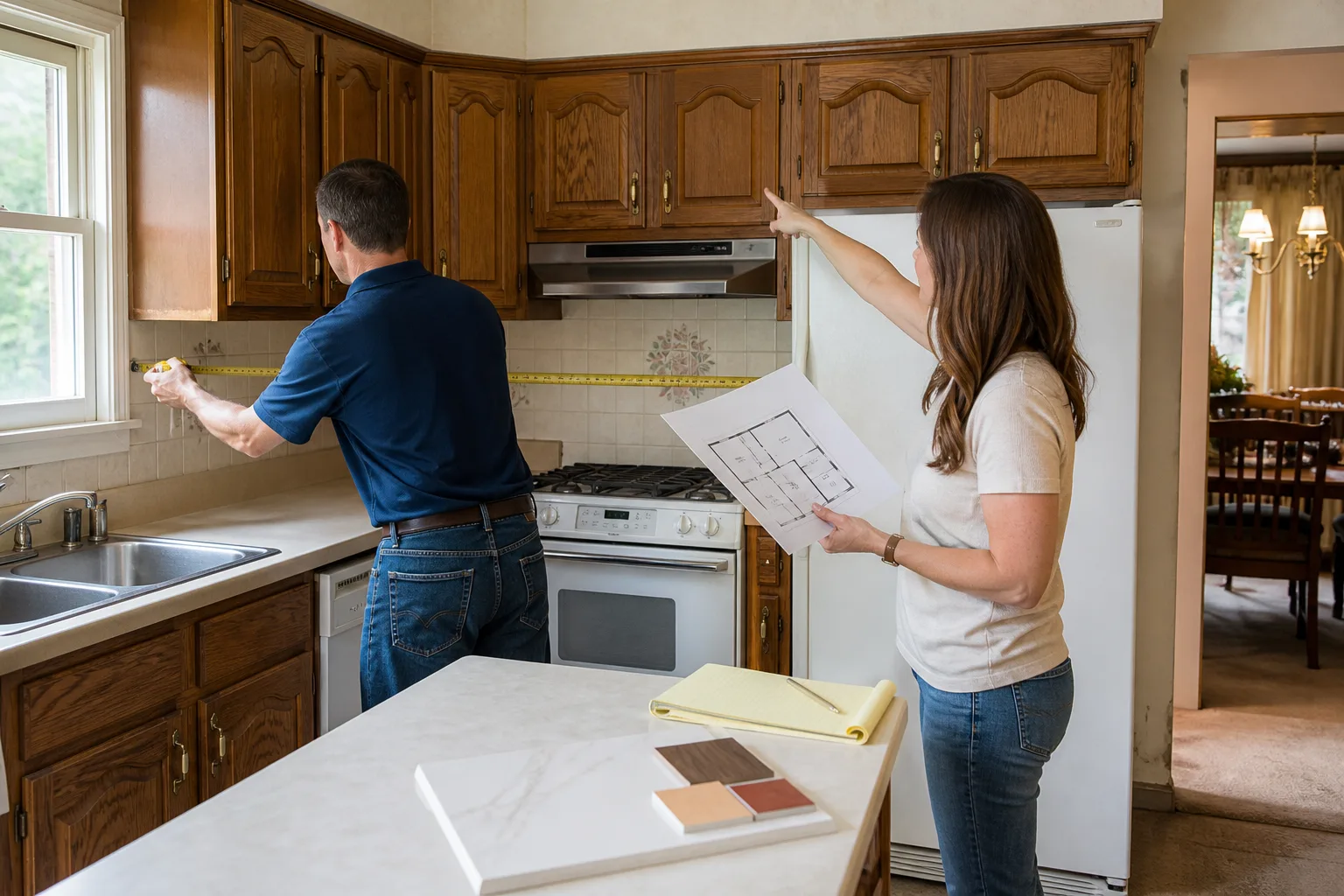
Dual-pane vinyl windows have been standard in Riverside construction since the 1980s, and they handle the heat well but have a predictable failure mode: the seal between the two panes of glass eventually fails, allowing the insulating gas to escape and moisture to enter. The result is foggy or hazy glass that won’t wipe clean. Once a seal fails, the window is no longer insulating, and the only real fix is replacing the glass unit or the entire window. The vinyl frames themselves hold up well in Riverside’s UV exposure, and replacement is typically driven by seal failure rather than frame degradation. If you’re already planning a kitchen remodeling in Riverside project or a whole-home update, we often recommend addressing failed window seals at the same time, since the framing and finish work can be coordinated more efficiently.
Wood Fascia and Trim: Paint Every 5 to 7 Years on West-Facing Walls
Riverside’s low humidity means wood trim doesn’t rot the way it does in coastal or humid climates, but it does degrade from UV exposure. The paint on west-facing fascia boards and trim bakes, chalks, and eventually separates from the wood, leaving the bare material exposed. Once the paint film fails, the wood starts to dry out and check, and water from winter rain gets into the cracks. The fix is straightforward: repaint exposed trim every five to seven years, with more frequent spot touch-ups on the west and south faces. In our experience, Riverside homeowners who stay ahead of this cycle avoid fascia board replacement entirely, while those who wait ten years between paint jobs are often replacing boards rather than repainting them.
Maintenance Items That Void a Contractor’s Workmanship Guarantee
Every contractor’s workmanship guarantee has fine print, and most of it comes down to one question: did the homeowner maintain the work the way a reasonable person would? Riverside’s climate makes certain maintenance obligations more important than a national template would suggest, and ignoring them can void coverage that would otherwise protect you. Here are the specific items that matter most.
Caulking at Windows, Doors, and Expansion Joints
If a contractor installs new windows or doors, the workmanship guarantee typically covers the installation, including the caulking, for a defined period. But that coverage assumes the homeowner keeps the caulk in good condition after the initial installation. Cracked or missing caulk that goes unrepaired for a season or more is considered deferred maintenance, and if water damage occurs because rainwater entered through an unmaintained joint, the original contractor is not responsible. The rule of thumb is to inspect all exterior caulk twice per year, in August and again in January, and repair any failures within 30 days.
Roof Penetrations and Flashing
If you’ve had a roof replaced or repaired, the roofing contractor’s guarantee covers the workmanship of the installation. What it generally does not cover is damage caused by debris accumulation that the homeowner should have cleared. In Riverside, blocked gutters, roof valleys, and clogged downspouts are the most common cause of water intrusion that falls outside a roofing guarantee. A contractor who installed a roof correctly is not responsible for water damage that occurs because three years of pine needles blocked the valley and forced water under the tile. The maintenance obligation is simple: clear gutters and roof valleys at minimum in June and December.
Stucco Repairs and Exterior Coatings
Stucco repair work carries its own guarantee terms, typically covering delamination and adhesion failure. What the guarantee does not cover is damage from impact, which includes Santa Ana wind-blown debris. If a wind event drives a tree branch into a freshly repaired stucco wall and cracks it, that’s not a workmanship failure. The practical takeaway is to document the condition of any freshly repaired exterior surface before each Santa Ana season, so that if damage occurs, you can show what the wind did versus what the contractor left behind.
Drainage Around the Foundation
Foundation work, including slab repairs and footing replacements, typically carries a longer guarantee than most other work, but that guarantee is conditional on maintaining proper drainage. If the homeowner allows downspouts to discharge against the foundation, or lets irrigation water pool at the slab edge, the resulting movement is classified as a drainage failure rather than a workmanship defect. In Riverside, where clay soils expand and contract with moisture content, this distinction matters. The maintenance obligation is to keep downspout extensions in place, maintain grade sloping away from the foundation, and verify irrigation lines are not leaking against the slab.
How Penhallow Approaches Guarantees
We structure our guarantees to be clear enough that homeowners know exactly what they’re responsible for. Our 365-Day Done Right Promise means that if the work we installed fails within the guarantee period due to our workmanship, we come back and make it right at no charge, with a free return visit, no service call, and no re-inspection fee. The promise is written on every project, and Trevor Nash, who leads our bathroom remodeling in Riverside and kitchen work, makes sure the maintenance expectations are explained in plain English at the start, not discovered in an appendix after something fails. The products behind the work matter too, which is why we install materials from brands like CertainTeed for exterior applications, for example, that carry their own manufacturer warranties alongside ours. A homeowner who knows the maintenance schedule, follows it, and keeps a record is protected twice: by the manufacturer’s warranty and by our guarantee.
Documenting Maintenance for Insurance and Resale
Documentation is the unglamorous part of homeownership that saves real money when it matters. Insurance companies want to see that damage was caused by a covered event, not by deferred maintenance. Home buyers want to see that the house was cared for, not just staged. A Riverside homeowner who keeps a simple, consistent maintenance record has leverage in both situations that a homeowner without records does not.
What to Photograph and When
The single most valuable documentation habit is a dated photo walk before and after every significant maintenance event. Here’s the routine that works in Riverside:
- Take baseline photos in October, before Santa Ana season begins. Walk the entire exterior, photographing the roof, stucco walls, windows, doors, vents, and fence lines. These photos establish the pre-season condition.
- Photograph after every wind event within 24 hours. Capture any new damage from multiple angles, with a reference object for scale. A paint stir stick or a quarter next to a crack gives the adjuster real context.
- Photograph after every repair, including the materials used and the finished condition. These photos prove the repair was actually done.
- Store everything digitally in a cloud folder that’s organized by year and event. Email the photos to yourself as a backup, because phones get lost and laptops get stolen.
What Records to Keep for Each Repair
For every maintenance event or repair, keep a one-page record with the date, the issue found, the action taken, the contractor or product used, and the cost. If a contractor did the work, keep the written estimate and the final invoice. If you did the work yourself, keep the receipt for materials and a note of the product and brand. The goal is to create a paper trail that shows a pattern of responsible maintenance, not a pile of receipts in a drawer. Riverside homes that have been well documented sell faster and appraise higher, because the record itself signals that the seller is not hiding a deferred issue.
Insurance Claim Documentation
When you file a claim, the adjuster’s first question is whether the damage predates the event. A documented history of maintenance answers that question before it’s asked. If you can show that the roof was inspected in September, the gutters were cleaned in June, and the stucco was resealed in February, the adjuster has no basis to claim the damage was caused by years of neglect. The same record works for water damage claims after winter rain, and for wind damage claims after Santa Ana events. Keep the file organized by year, and keep it for the entire time you own the home.
Common Mistakes to Avoid
- Following a national checklists that puts gutter cleaning in November only: Riverside’s gutters need cleaning in June too, because the wind deposits debris all summer and a surprise thunderstorm can overwhelm a blocked valley. One cleaning season here means two water intrusion seasons.
- Ignoring caulk cracks that are “just cosmetic”: In Riverside’s heat, a hairline caulk crack at a window frame opens up over a single August. What looks cosmetic in June is a water intrusion path by December, and the fix cost multiplies fast.
- Letting irrigation leaks run “until spring”: A slow drip against a Riverside slab foundation over six months of warm weather cracks concrete and invites termites. The $2 emitter you fix in March saves you a $4,000 foundation repair in October.
- Assuming Santa Ana damage is covered by insurance without documentation: Insurers routinely deny wind damage claims when the homeowner can’t show pre-event condition photos. If you don’t have a photo from October, you’re arguing from memory.
- Overlooking ridge tile mortar because the roof “looks fine” from the ground: The ridge line is the first thing to fail on a concrete tile roof, and the failure is rarely visible from street level. A $300 re-bedding job in September prevents a $3,000 interior repair in January.
- Skipping the January post-Santa Ana walk because it’s cold and the house “looks fine”: The damage from a wind event often doesn’t show up until the next rain, at which point the repair is no longer a simple fix. Walk the perimeter after every event, in every season.
When to Call a Professional
Some maintenance items are genuinely DIY, and others are not, and the line between them matters for your safety and your house. Roof work beyond a ground-level visual inspection should always be left to a licensed contractor, because a fall from a Riverside second-story eave is life-changing, and the risk isn’t worth the saved inspection fee. Any repair involving gas lines, which powers some Riverside water heaters and dryers, requires a licensed professional, full stop. Electrical work beyond changing a light bulb or a switch plate should also come off the DIY list, because a loose connection inside a wall is a fire hazard that doesn’t announce itself. Stucco crack repair beyond hairline sealing, roof tile replacement at height, and any foundation issue that shows a crack wider than 1/8 inch should all be evaluated by someone who does this work daily. Penhallow Remodeling Riverside offers free estimates in Riverside, call (341) 895-1170 and Trevor Nash or a member of the team will walk the property with you and tell you what actually needs attention, in plain English, with a written price before any work starts.
Frequently Asked Questions
Twice per year, in June and again in December. Riverside’s Santa Ana season deposits debris into gutters between October and January, and the summer heat bakes that debris into a hard layer that’s difficult to remove if left too long. Homes with overhanging trees may need three cleanings per year.
Allowing caulk failures at window frames and exterior joints to go unrepaired through the summer. Riverside’s sustained heat above 90°F degrades caulk rated for temperate climates, and a joint that opens in August becomes a water intrusion path by the first winter rain. A $6 tube of caulk prevents a $900 trim replacement.
Before each forecasted wind event, tie down or store all yard items, check that gates latch properly, and verify that all roof vents and screens are firmly attached. After the event, walk the perimeter within 24 hours and document any new damage with photos. The preparation that matters most is the September roof inspection that catches loose ridge tiles before the wind does.
Yes, standard homeowner’s insurance policies in Riverside cover wind damage as a named peril, including damage from wind-blown debris. However, the claim is much stronger when you can show a documented maintenance history and pre-event condition photos. Insurers routinely deny claims that appear to result from deferred maintenance rather than the event itself.
Well-maintained stucco can last the life of the home, with ongoing crack sealing every two years and a full elastomeric re-coat every five to eight years. The stucco itself doesn’t fail, what fails is the surface coating that protects it. Neglected stucco on a Riverside home typically needs significant patching and re-coating by year ten.
Most workmanship guarantees require the homeowner to maintain the installed work in a reasonable condition, which specifically means keeping caulk intact, keeping gutters and roof valleys clear, and maintaining proper drainage around the foundation. If damage occurs because these items were neglected, the repair is classified as deferred maintenance rather than workmanship failure, and the original contractor is not responsible. At Penhallow, we put these expectations in writing before work starts so there are no surprises, and our 365-Day Done Right Promise covers our workmanship for a full year with a free return visit if a repair fails. For more guides & resources on protecting your Riverside home, visit our blog.
The Bottom Line

Riverside’s maintenance calendar is built around the climate that actually exists here: 38 days above 100°F, a Santa Ana season that runs October through January, and a rainy season that overlaps with the wind. The homeowners who spend the least on repairs are the ones who check the roof ridge line in September, re-caulk exterior joints in August, keep their documentation current, and treat a $12 inspection the same way they treat a $900 repair, as part of the house’s operating system rather than an optional chore. If you want a second set of eyes on your property, with a written price before any work starts and a written guarantee behind the workmanship, call (341) 895-1170 for a free estimate. The walk costs nothing, and the questions get answered in English, not contractor shorthand.
Written by Trevor Nash, Owner at Penhallow Remodeling Riverside, serving Riverside since 2004.
See the difference
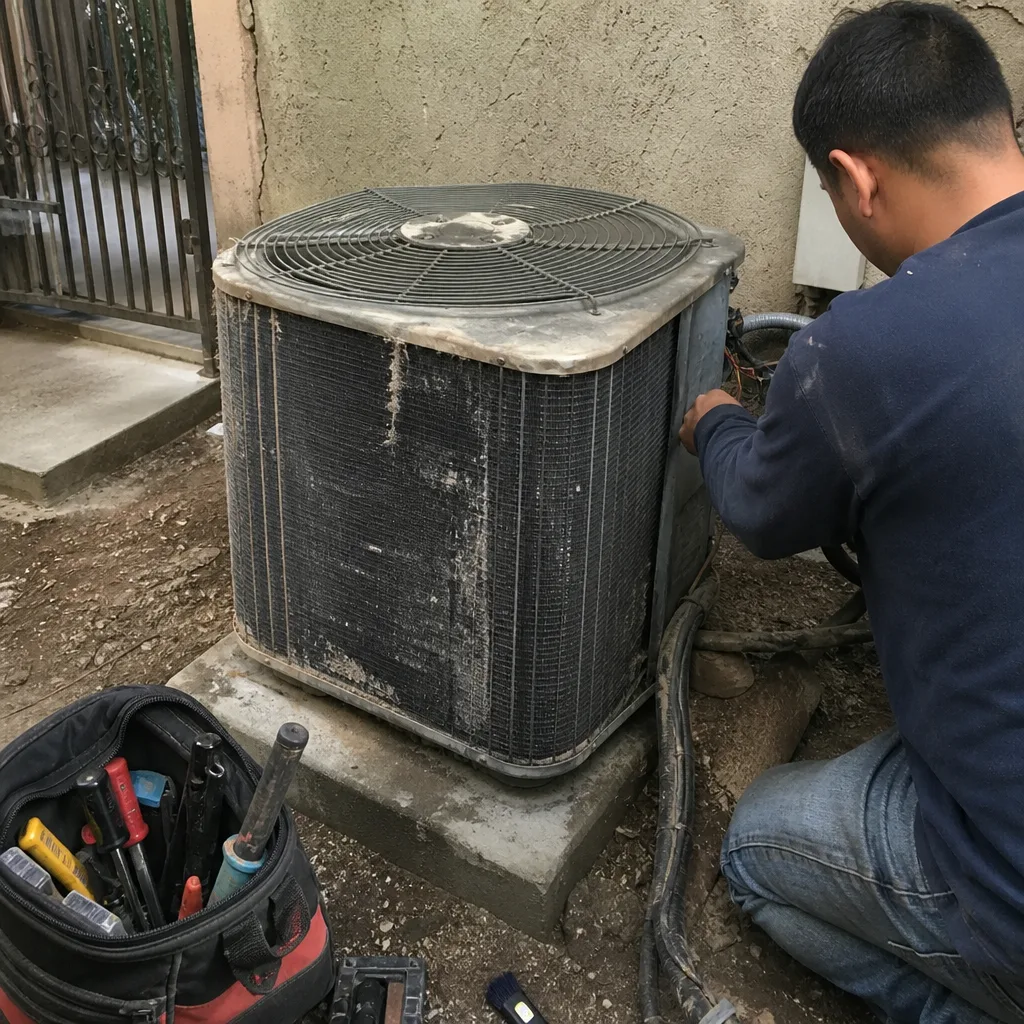 Before
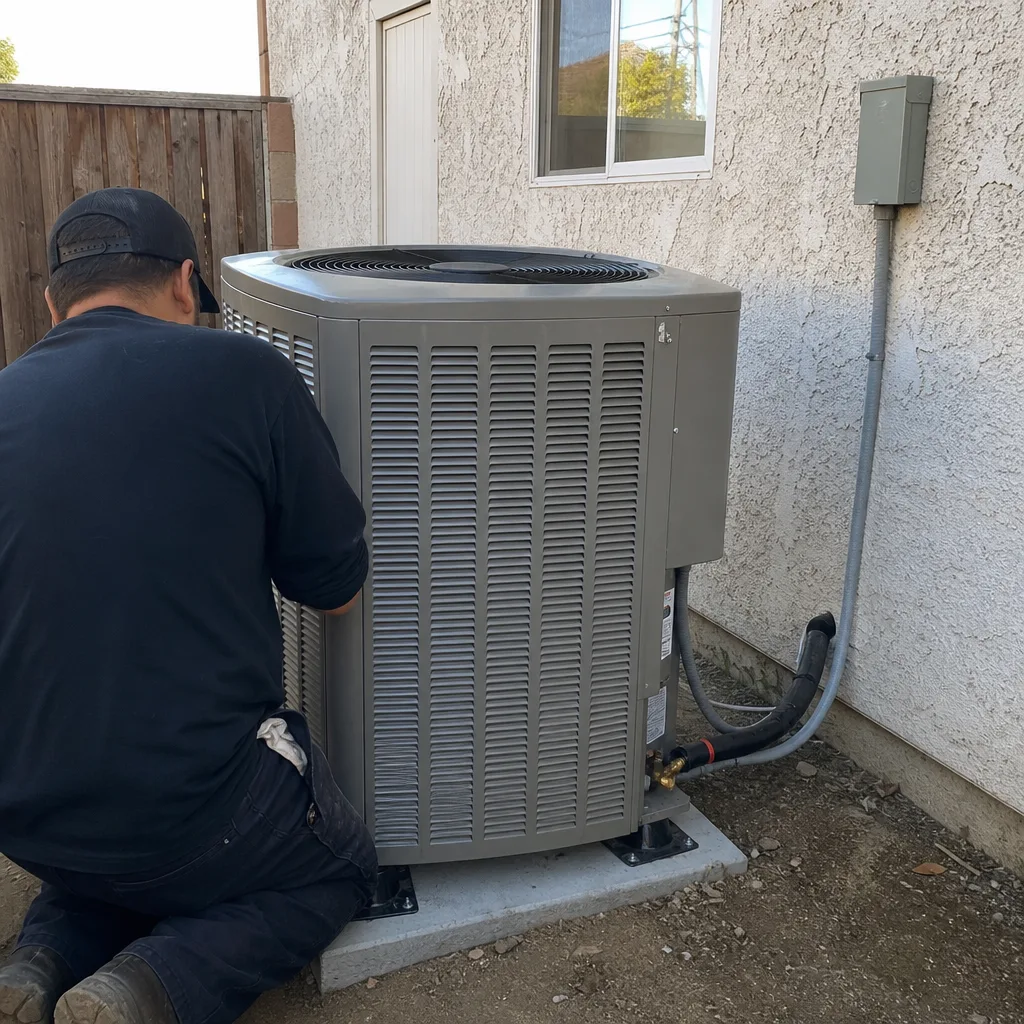 After
After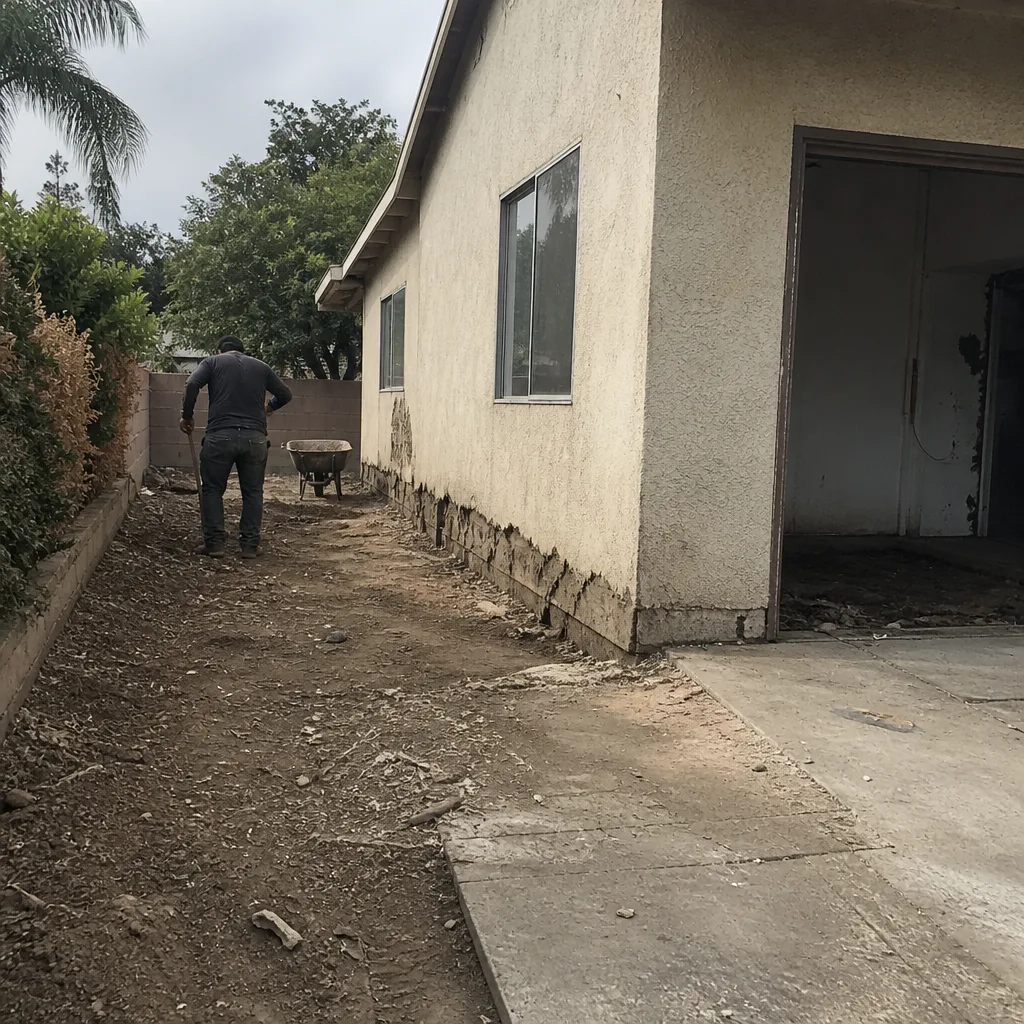 Before
 After
After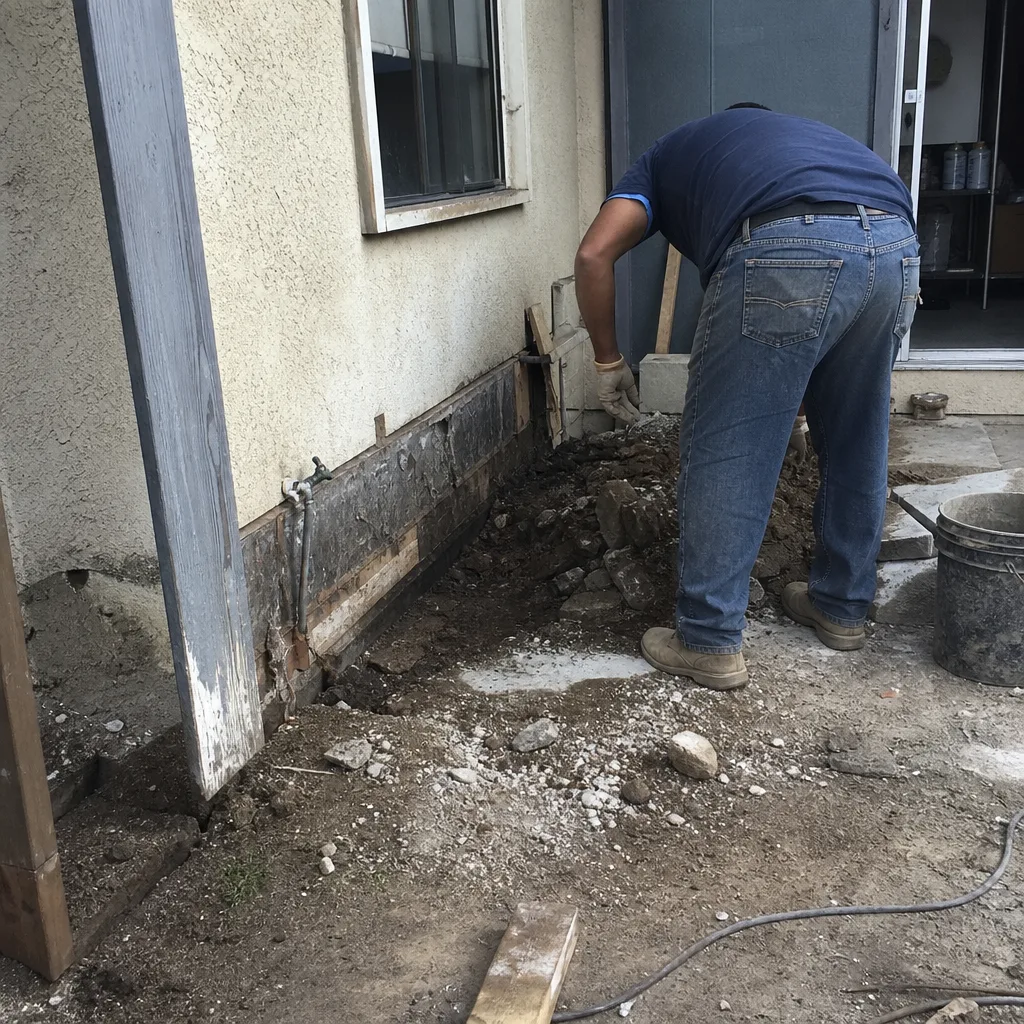 Before
 After
After